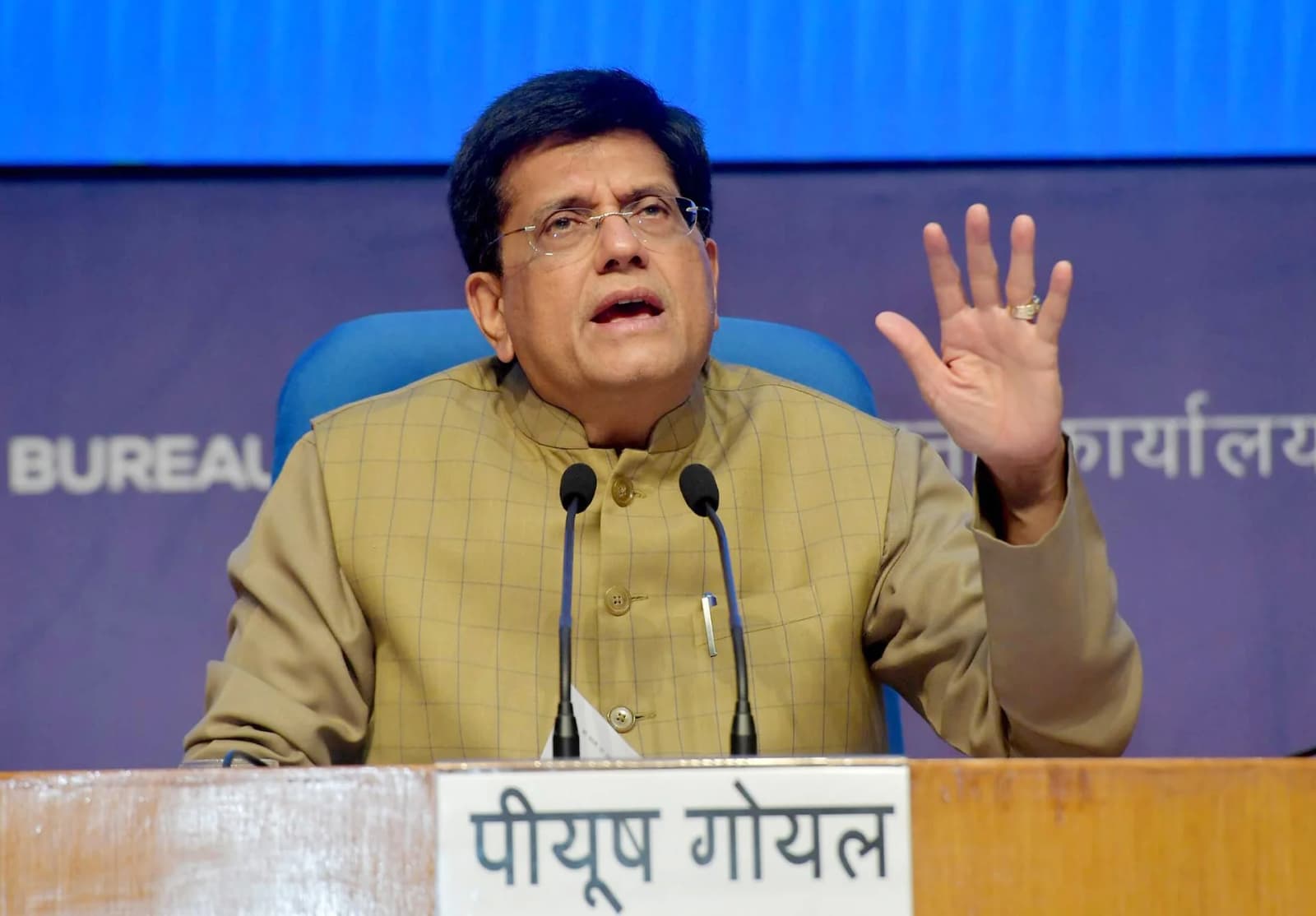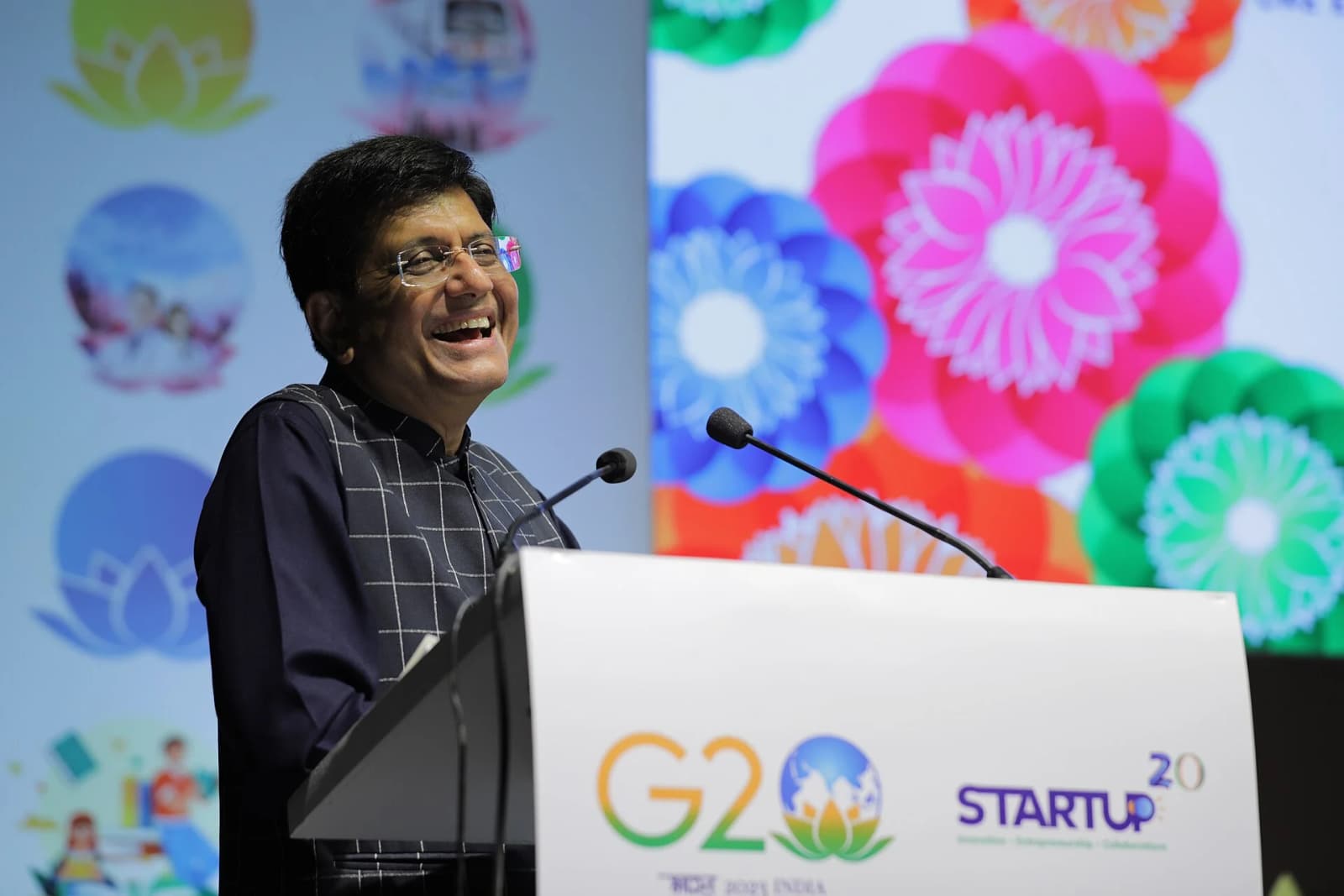
Union Commerce and Industry Minister Piyush Goyal said on November 27 that the long-awaited India-US bilateral trade agreement is "close to culmination", signalling growing momentum toward resolving months of tariff uncertainty between the two economies.
What Piyush Goyal Signalled on the Trade Pathway
Addressing the India Debt Capital Market Summit 2026 virtually, Goyal noted that the "process and pathway" for closing the bilateral deal "is now taking some shape". His remarks come at a critical moment for Indian exporters navigating heightened US trade scrutiny and shifting global supply chains.
India has simultaneously pushed back against unfair trade characterisations during the talks, maintaining that its domestic sectors do not suffer from structural excess capacity in any industry.
Why the 17 Percent Tariff Cap Proposal Matters
Goyal's update follows a report submitted to US President Donald Trump by US Trade Representative Jamieson Greer outlining potential tariff pathways for trading partners:
- Proposed baseline tariff: Washington's report floated a 25 percent tariff on Indian imports in the absence of an agreement.
- Bilateral deal cap: Under a concluded India-US bilateral trade agreement, duties on Indian goods could be capped at 17 percent.
- Export predictability: A formal cap gives labour-intensive manufacturers, engineering suppliers, and electronics exporters clearer pricing certainty in their largest single overseas market.
Key Watchpoints Ahead of Final Sign-Off
While neither capital has announced a formal signing date, trade officials from both sides are refining sector-specific market access schedules and non-tariff compliance mechanisms. Finalising the framework would mark one of New Delhi's most consequential bilateral trade pacts alongside its recent European and Asian economic agreements.