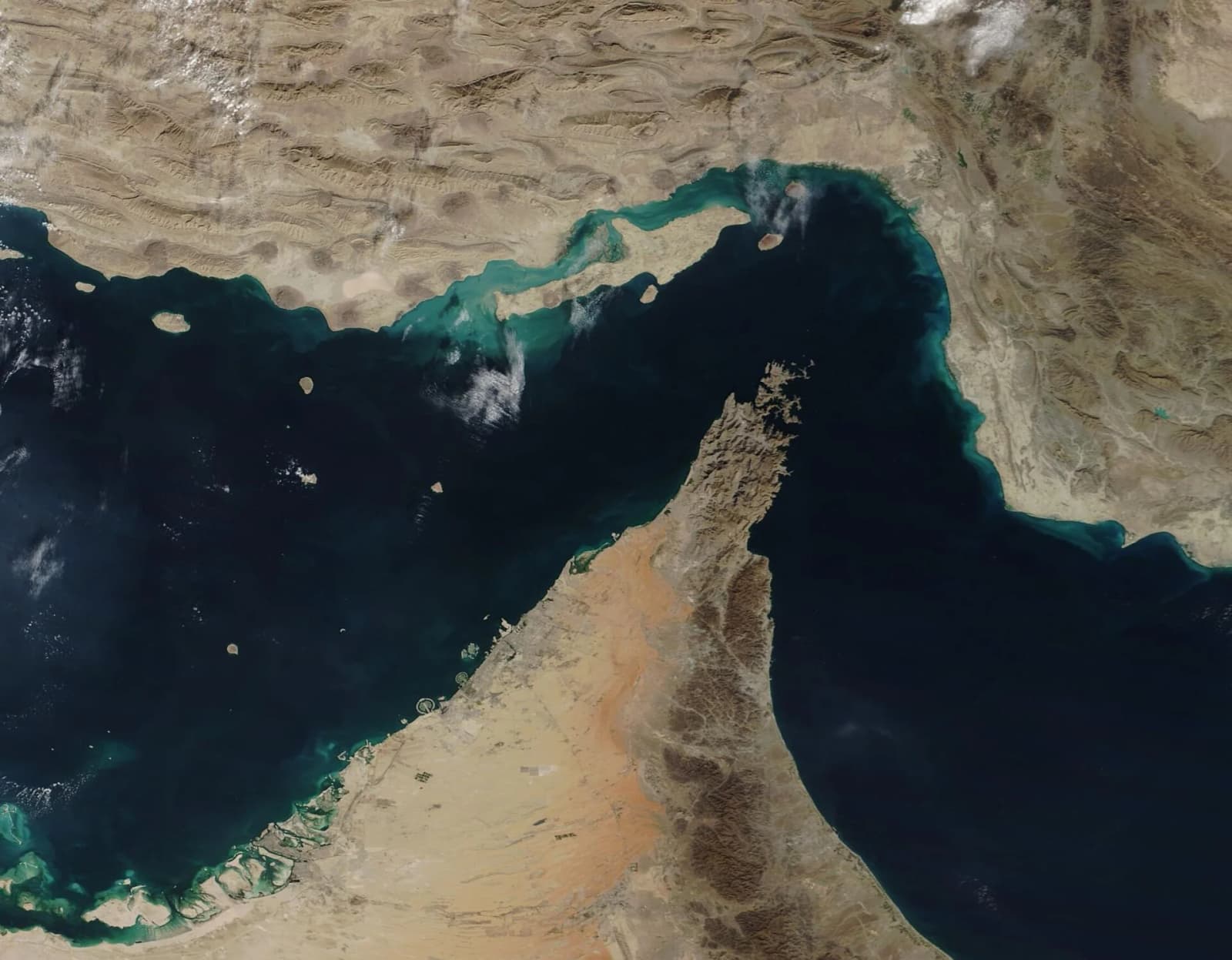
Iran's Islamic Revolutionary Guard Corps (IRGC) said on 26 November 2026 that two oil tankers exploded and caught fire after striking sea mines north of Khasab port in Oman while trying to cross the Strait of Hormuz by what it called an unauthorised route. The claim, carried by Iran's semi-official Tasnim news agency and reported by Reuters, has not been independently confirmed, and the vessels have not been identified.
What exactly did the IRGC claim?
The IRGC said one of the two ships was a supertanker carrying more than 2 million barrels of crude oil, and that it was left burning. According to Iran International, the Guards also alleged that the tankers had switched off their navigation systems and were relying on cover from US fighter jets to slip through the strait. No details were given on the crews or on any casualties.
Has anyone confirmed the incident?
No independent confirmation had emerged at the time of writing. Oman, the United States and the UK Maritime Trade Operations (UKMTO) agency had not publicly verified the IRGC's account, according to Reuters and Iran International. On the same day, UKMTO reported an explosion from an unknown projectile near a tanker about 50 nautical miles west of Dubai, Reuters reported; there was no indication that this incident was linked to the IRGC's claim. Reuters noted that maritime security agencies usually report fewer incidents than the Guards do and often describe them as projectile strikes.
What is Iran saying about the strait?
IRGC spokesman Hossein Mohebbi said the force was using heavy firepower to keep the strait closed in order to put pressure on the US economy and defend Iran, Reuters reported. The Guards' naval commander, Rear Admiral Ali Azmaei, said Iran had full operational control of the waterway and that safe passage depended on respect for Iran's sovereign rights. Tehran has repeatedly said ships cannot transit the strait safely without coordinating with it, citing the risk of sea mines among other dangers.
According to Reuters, Iran has used new tactics against shipping since October to halt a recovery in Gulf oil flows, a recovery helped by US Navy support and by Gulf tanker operators taking on more risk.
Why does it matter?
The claim adds to a sharp rise in tension across the Gulf this week. Kuwait said debris from intercepted Iranian drones killed two Italian technicians, an accusation Iran has denied, and a projectile strike on Saudi Arabia's Jazan refinery killed a Nepali worker. Anadolu Agency reported that the Saudi-led coalition later said it had destroyed 50 military targets in Yemen's Sanaa, Al Hudaydah and Saada provinces, according to its spokesman, Major General Turki al-Maliki, who gave no details of the targets.
The economic stakes are also high for Iran itself. US Treasury Secretary Scott Bessent said on 25 November that Iran had not loaded a tanker since the US blockade operation known as "Operation Economic Outcast" began in August, Iran International reported. Those claims could not be independently checked.
What happens next?
Key questions remain unanswered: the names and flags of the two tankers, whether anyone was hurt, and whether shipping authorities or navies in the region will confirm the IRGC's account. Any confirmed mine strike in the strait would raise risks for commercial shipping and insurers using the strait, at a time when the UN trade body has already warned that chokepoint disruptions could stall maritime trade this year.