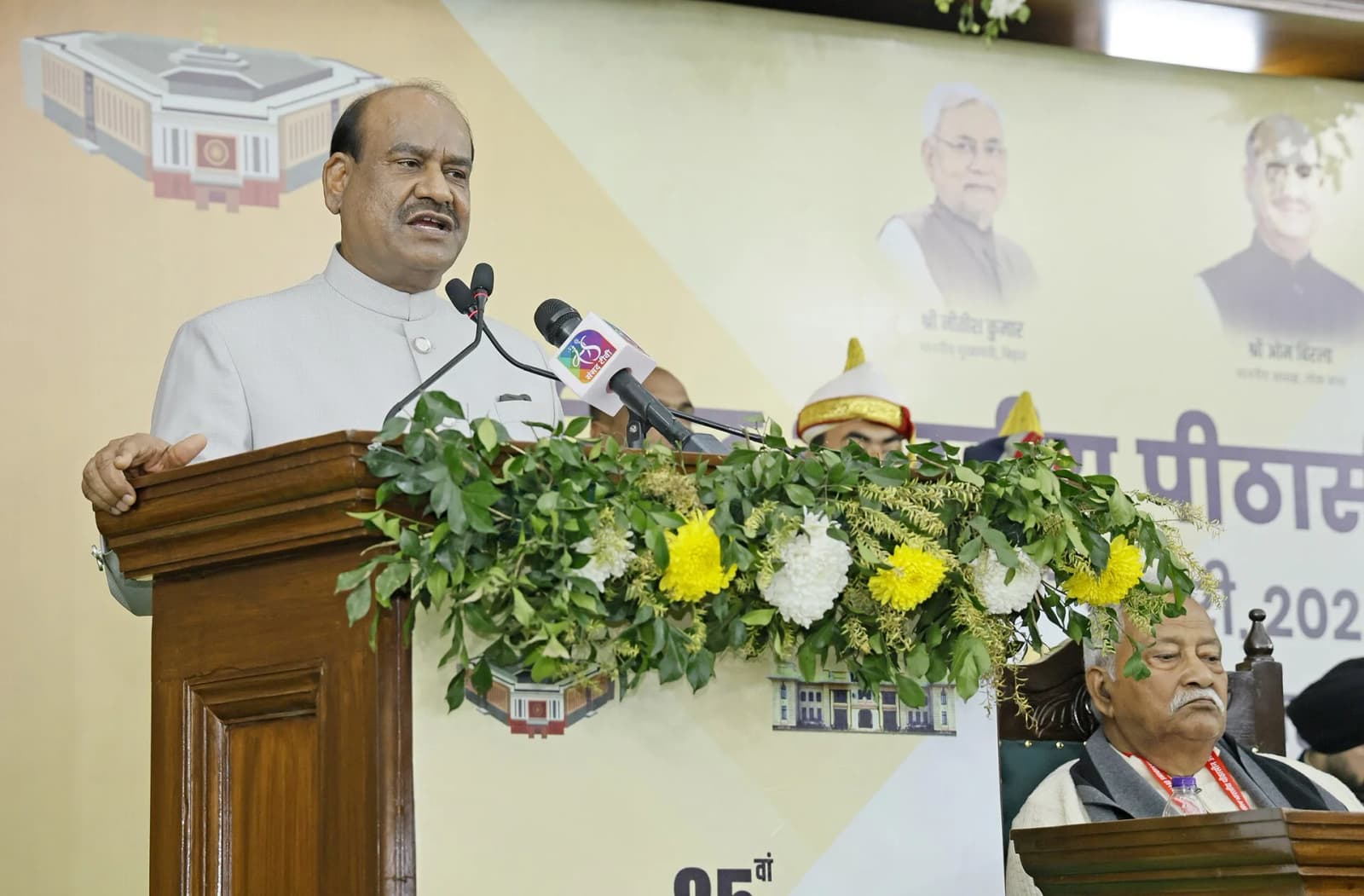
Lok Sabha Speaker Om Birla on 20 November 2026 urged the Defence Estates Organisation to use modern technology, digitisation and artificial intelligence (AI) to manage and protect India's defence land, while delivering the Defence Estates Centenary Lecture 2026 in New Delhi. The lecture formed part of the organisation's centenary celebrations, according to a release issued by the Lok Sabha Secretariat through PIB.
Birla said protecting defence assets, curbing encroachment and making land available on time for the operational needs of the armed forces must remain the organisation's top priorities.
How much land does the Defence Estates Organisation manage?
The organisation manages and safeguards more than 1.7 million acres of defence land, Birla noted. He said land records that are accurate, secure and accessible are essential for effective governance, and praised the digital upgrades already under way. AI and other emerging technologies, he added, would help the organisation handle both present operational demands and longer-term administrative challenges.
In a post on X after the event, the Speaker listed AI, GIS mapping, drone technology and digital records as important tools for making defence land management more effective, transparent and technology-driven. He also mentioned the e-Chhawani platform, "smart, green and sustainable" cantonments, environmental protection and the preservation of historical records as efforts that should be carried forward.
Encroachment and civilians
Birla identified encroachment on defence land as a key concern. He commended the organisation's work to protect properties and carry out accurate surveys and measurements, but said this should be done in a way that avoids unnecessary disputes or hardship for civilians. Timely access to land and suitable conditions for defence establishments and personnel were essential to national security, he said.
Why does cantonment heritage matter?
The Speaker said cantonments carry historical and ecological value, and that their original character, green cover, forests and heritage should be protected even as they adapt to modern needs. He cautioned that development in cantonments should be planned carefully so their distinct identity is not lost to rapid urban growth.
He also praised the organisation's civic work for cantonment residents, which the release listed as schools, healthcare facilities, computer education, skill training, water conservation and recycling, and environmental protection. He called for continued engagement with civil society to respond to residents' changing needs.
A second century
Birla encouraged officers and staff to study the laws, rules and administrative frameworks developed over the past hundred years and to learn from former officers, combining that experience with the technical skills of younger personnel. As the organisation enters its second century, he said, it should pair its legacy with a forward-looking vision built on innovation, transparency and technology.
According to the Speaker's post, senior Defence Ministry officials, military officers and defence estate management experts took part in the interaction. The release did not announce any new policy, budget or timeline for digitising defence land records.
What happens next?
No specific follow-up measures were announced at the event. Birla said he was confident the organisation would continue to safeguard defence land, support the armed forces' operational preparedness and preserve the heritage of cantonments, and asked officers and employees to carry this responsibility forward.
Photo source · Ministry of Parliamentary Affairs (India), GODL-India