Nearly 700,000 women in the United Kingdom are to be invited into EDITH, which the BBC described on 23 November 2026 as the world's largest trial of whether artificial intelligence (AI) can help doctors read breast cancer screening X-rays. Recruitment has already started at Cambridge University Hospitals in England, the first of 30 sites planned across the country, the BBC reported.
What is the EDITH trial testing?
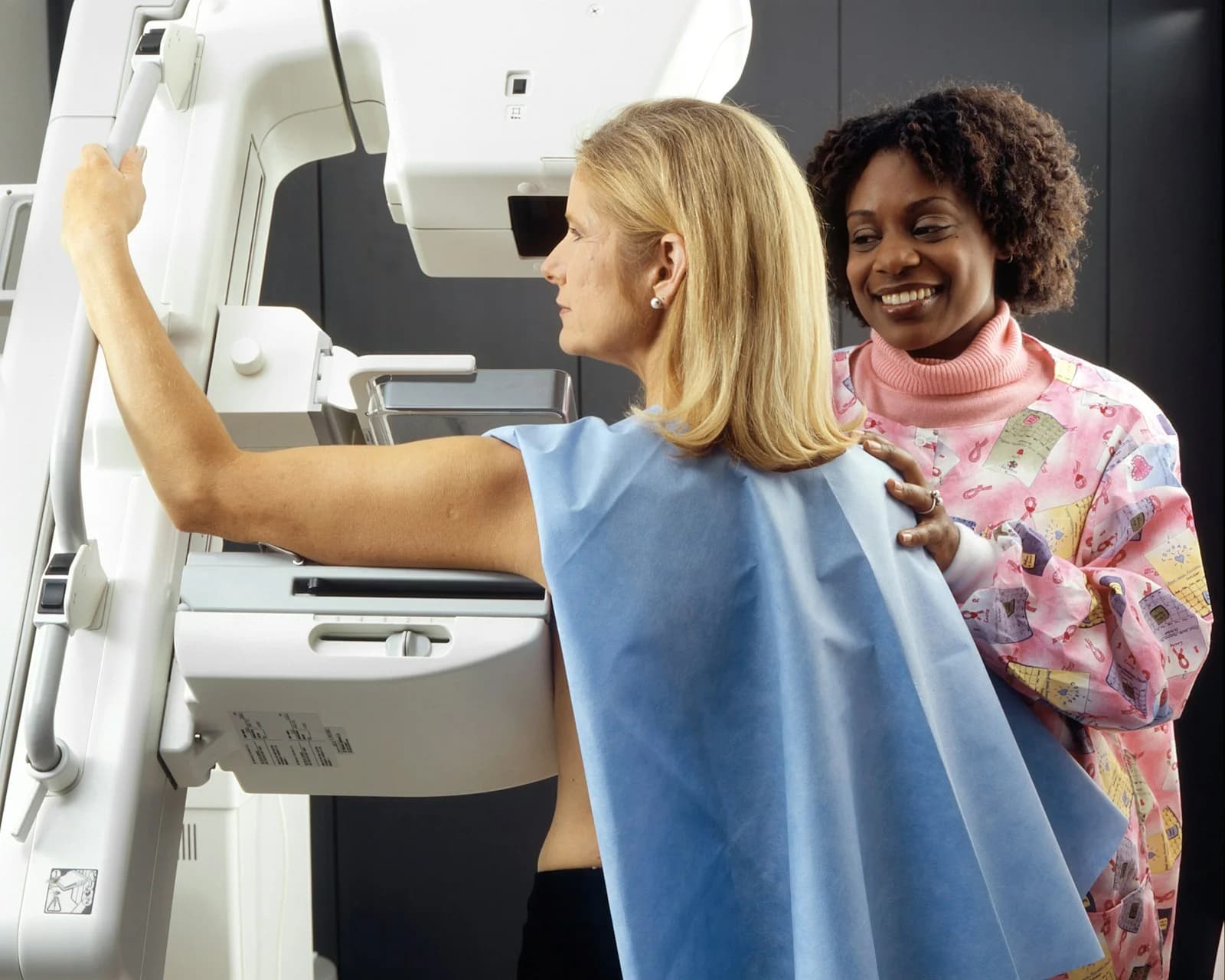
It is testing whether AI can safely take the place of one of the two specialists who now check every mammogram in the National Health Service (NHS) breast screening programme. According to the BBC, women aged 50 to 71 in the UK are invited for screening every three years, and more than two million attend each year. Today, two NHS experts review each mammogram. In the trial, one of those human readers will be replaced by AI.
EDITH stands for Early Detection using Information Technology in Health. The trial page of the University of Warwick says women will be randomly placed in one of three groups. One group gets standard screening read by two experts. In a second, AI checks images after the human expert to look for cancers that may have been missed. In a third, AI looks first and grades each image as higher or lower risk. The Warwick page states that a human expert will read every image and that final decisions will be made through the usual human process.
Who is running it and how is it funded?
The BBC said the £11 million study is funded by the National Institute for Health and Care Research (NIHR) and led by the University of Warwick, the University of Cambridge and Cambridge University Hospitals NHS Foundation Trust, working with NHS England. Four AI companies are involved, and the trial is expected to run for about three years. Its co-chief investigators are Sian Taylor-Phillips, professor of population health at Warwick, and Fiona Gilbert of the University of Cambridge's department of radiology.
The Warwick page gives a target of 660,000 participants from 30 screening centres, slightly lower than the "nearly 700,000" figure cited by the BBC. Women will learn about the study in their routine screening invitation and can opt out if they do not want AI to look at their images. Participants will be followed for four more years through the screening programme and cancer registries to see whether they later develop cancer.
Why does it matter?
Breast cancer is the most common cancer among women in the UK, with about 59,000 cases a year, and screening is estimated to prevent around 1,300 deaths annually, the BBC reported. Smaller studies have suggested AI can raise detection rates, but researchers want to be sure it does not lead to women being recalled unnecessarily.
"AI-assisted technology could help improve early cancer detection but we want to avoid the overdiagnosis of milder disease that would never have caused symptoms," Professor Taylor-Phillips said, as quoted by the BBC.
Professor Gilbert told the BBC there was a "huge shortfall" of radiologists and that the number of imaging examinations was rising by 8% a year. She said fewer than 1% of women screened turn out to have cancer, and that technology could free specialists to spend more time with patients.
What have officials said?
UK Health Secretary Yvette Cooper, visiting the breast screening unit at Addenbrooke's Hospital in Cambridge, told the BBC that AI "has huge potential to improve treatment", and that trials were needed to use it "with proper safeguards". Professor Peter Johnson, national clinical director for cancer at NHS England, urged invited women to take part, saying: "Every scan will still be seen by a specialist."
What happens next?
More screening centres are due to join after Cambridge. The study will compare detection, recall rates, cancers that appear between screening rounds, staff workload and costs across the three groups before any decision is taken on wider use of AI in the programme.