India has given more than 1 crore doses of the Human Papillomavirus (HPV) vaccine to 14-year-old girls in less than nine months, the Union Ministry of Health and Family Welfare said in New Delhi on 21 November 2026. The ministry said the National HPV Vaccination Campaign has now reached nearly 87% of its annual target group of about 1.2 crore girls, with six states reporting full coverage.
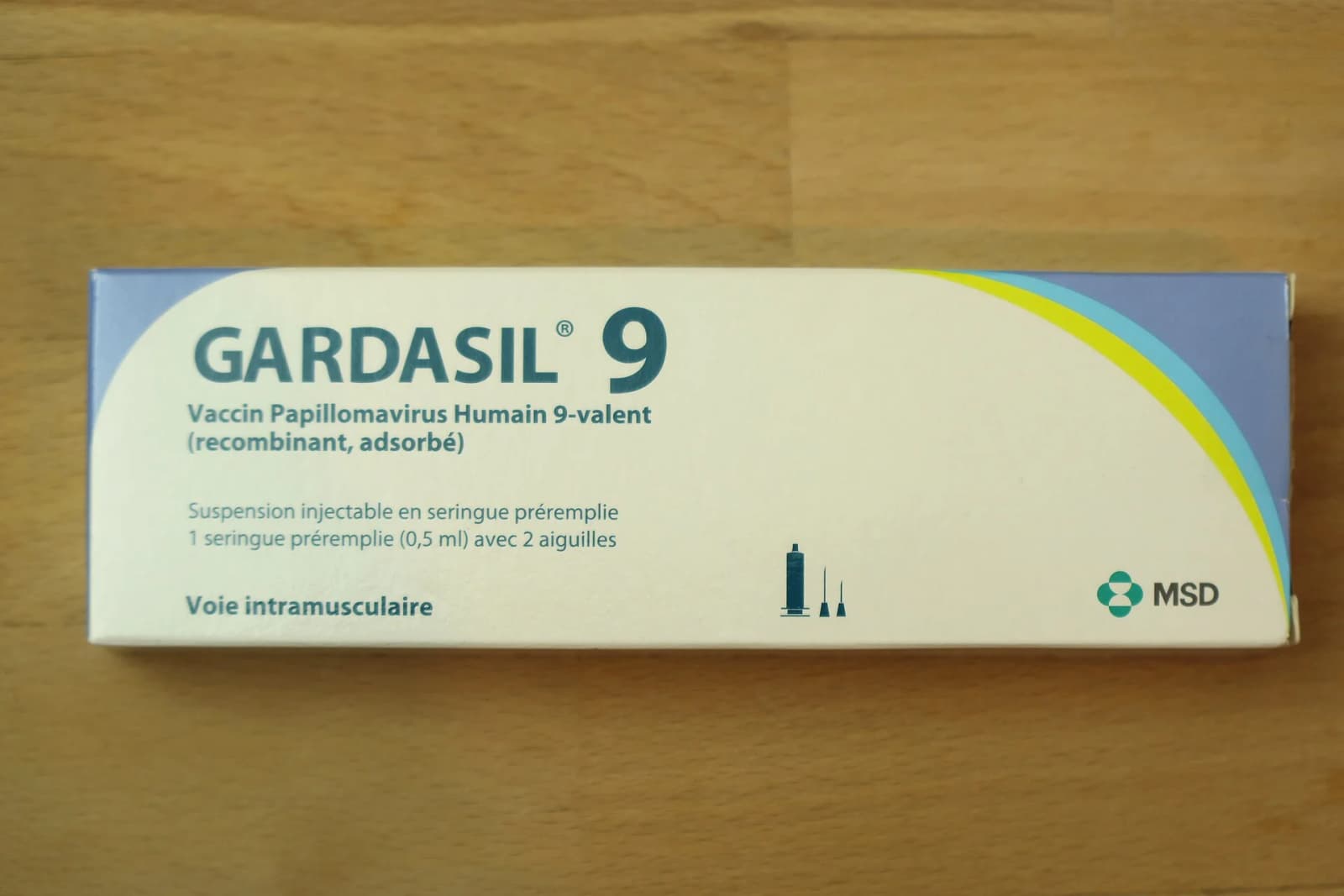
The campaign was launched by Prime Minister Narendra Modi in February 2026. It offers a free, voluntary, single-dose HPV vaccine, given with parental consent, to 14-year-old girls at designated government health facilities.
How many girls have been vaccinated so far?
More than 1 crore doses have been administered, according to the ministry's statement released through the Press Information Bureau (PIB). The ministry put cumulative coverage at nearly 87% of an identified annual cohort of roughly 1.2 crore girls, a figure based on Registrar General of India (RGI) 2021 population estimates.
In absolute numbers, Uttar Pradesh leads with more than 29.33 lakh girls vaccinated, followed by Bihar with over 13.70 lakh and Gujarat with over 7.75 lakh.
Which states are ahead, and which are behind?
Gujarat, Uttar Pradesh, Andhra Pradesh, Mizoram, Madhya Pradesh and Bihar have covered 100% of their identified target populations, the ministry said. Assam (95.63%), Telangana (95.28%), Karnataka (93.16%) and Uttarakhand (90.17%) follow, while Chhattisgarh (86.21%) and Rajasthan (85.23%) have crossed 80%. An infographic released with the statement said 12 states are above 80% coverage.
Kerala (77.02%), Tamil Nadu (76.12%), Odisha (74.90%) and the Union Territory of Dadra and Nagar Haveli and Daman and Diu (72.99%) are above 70%. The statement did not give figures for the remaining states and Union Territories.
The ministry said state-run initiatives in Bihar, Tamil Nadu and Sikkim have been folded into the national campaign. It credited teachers, Accredited Social Health Activists (ASHAs), Auxiliary Nurse Midwives (ANMs) and specialists, including doctors from the All India Institute of Medical Sciences (AIIMS), with explaining the vaccine to parents and countering misinformation.
Why it matters
Cervical cancer remains a significant public health concern and an important cause of cancer-related illness and death among women, the ministry said, adding that persistent infection with certain high-risk HPV types is responsible for the vast majority of cases. It said vaccinating girls at 14 is meant to protect them well before any possible exposure to the virus, and cited more than 800 million HPV vaccine doses given worldwide and nearly two decades of research on the vaccines' safety and effectiveness.
The campaign’s focus on prevention echoes a wider shift in health research that Union Minister Jitendra Singh described at a health summit in New Delhi on 22 November.
How safety and records are handled
According to the ministry, every session is held at a designated government facility under the supervision of trained medical officers, and vaccination sites are linked to 24x7 healthcare centres so that any rare Adverse Events Following Immunization (AEFI) can be assessed and managed quickly.
The campaign runs on the U-WIN digital platform, which district programme managers use to track progress and find girls not yet vaccinated. Parents can also use it to book slots and download digital vaccination certificates.
All India Radio's News On AIR service reported that Union Health Minister Jagat Prakash Nadda congratulated the states and credited health workers and parents for the milestone.
What happens next?
The ministry said it will keep working with state governments, district administrations and schools to close the remaining coverage gaps. It asked parents and guardians of eligible 14-year-old girls to contact their nearest designated government health facility or use U-WIN for information and to book an appointment.