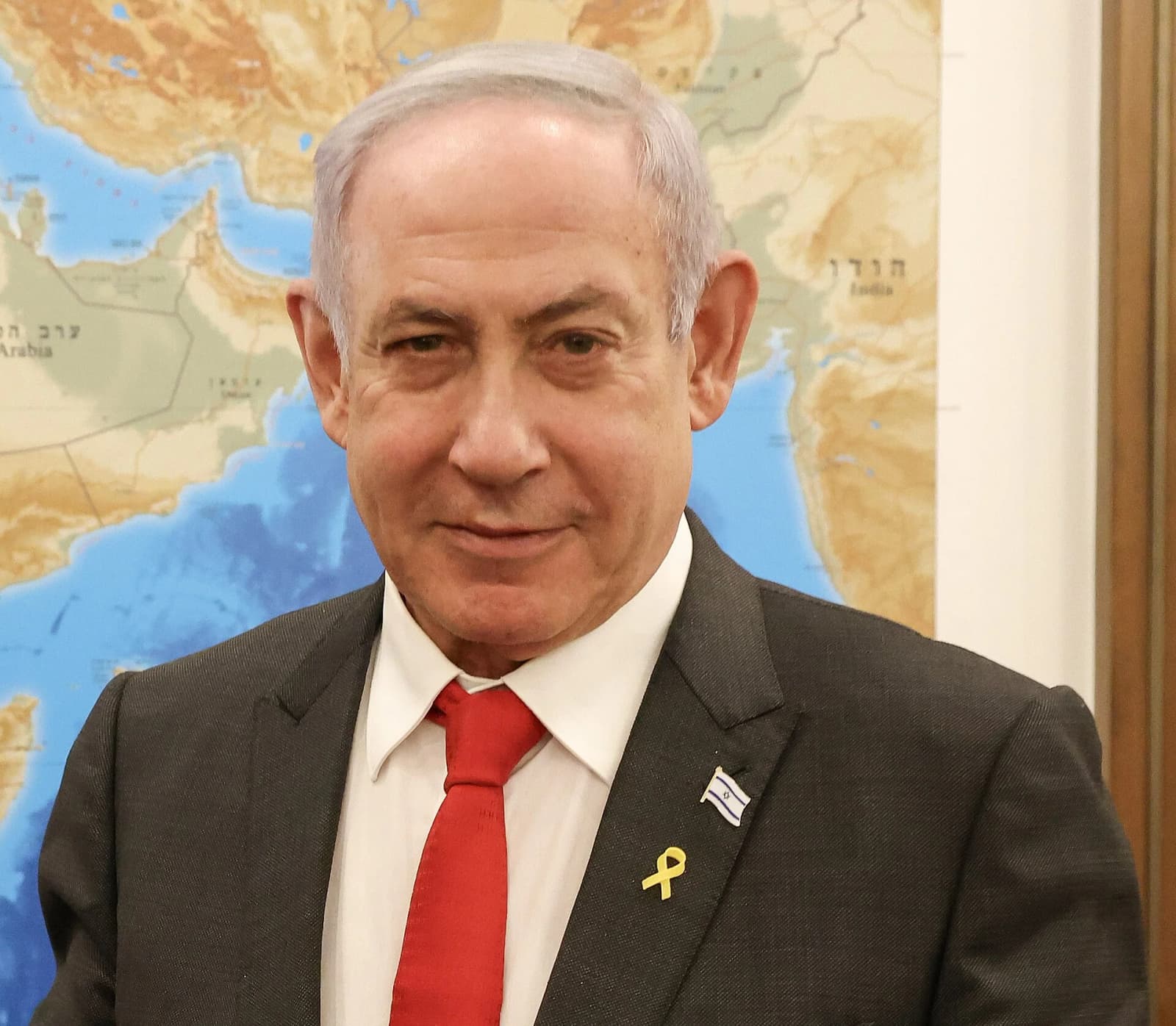
Jerusalem: Israeli caretaker Prime Minister Benjamin Netanyahu dramatically offered on Saturday, November 28, 2026, to form a rotating unity government in which his centrist rival Gadi Eisenkot would serve first as prime minister, prompting both sides to schedule direct talks for Sunday morning.
Netanyahu’s Rotation Bid Before December 6 Deadline
Announcing the overture on social media as Eisenkot’s coalition-building efforts neared completion following last month’s inconclusive election, Netanyahu said: “My responsibility as a leader requires me to set everything aside … and agree that Gadi Eisenkot will serve first as prime minister, while I will serve as alternate prime minister at the beginning of the term.”
Eisenkot, leader of the Yashar party who holds the presidential mandate to assemble Israel’s next government by December 6 without using a 14-day extension, invited Netanyahu to immediate negotiations in Herzliya. Just a day earlier, Eisenkot had accused Netanyahu’s right-wing Likud of refusing to present any concrete proposal during two weeks of exploratory contacts.
Opposition Skepticism and Coalition Arithmetic
Anti-Netanyahu allies swiftly dismissed the rotation offer as a tactical manoeuvre to derail an emerging alternative coalition. Former premier Yair Lapid called it “another transparent con by a serial fraudster,” while Arab-majority Joint List leader Yousef Jabareen urged parties to proceed with removing Netanyahu in the coming week.
So far, Yashar has inked coalition agreements with the left-leaning Democrats and right-wing Yisrael Beiteinu, giving the bloc 36 lawmakers in the 120-seat Knesset—still 25 short of a 61-seat majority. Talks remain delicate over whether an Eisenkot-led cabinet would lean on ultra-Orthodox factions or outside backing from Arab-majority parties including Ra’am, even as eight Western nations—among them Britain and France—separately pressed for delayed Palestinian legislative elections to be held in early 2027.