A wave of methanol poisoning from illegally made alcohol has killed more than 20 people and sickened well over 500 across Iran, health officials and regional authorities said in updates reported on 27 and 28 November 2026. Cases have been recorded from Neyshabur in the north-east to Bandar Abbas on the Gulf coast, and police in several provinces have made arrests.
How many people have been affected?
Official figures put the toll in the hundreds. Health Ministry spokesman Hossein Kermanpour said 543 people had been poisoned and 23 had died across 12 medical university regions between 31 October and the evening of Wednesday, 25 November, Iran International reported. Eight more were declared brain dead. Of those poisoned, 205 needed dialysis, 33 were in intensive care and 38 had blurred vision. The average patient was 31 years old, and 92 were under 20.
Later regional updates pushed the numbers higher. A health spokeswoman in Hormozgan province said 126 people had been poisoned and 10 had died there by Friday morning, nine of them in Bandar Abbas and one on Qeshm Island; the youngest victim was 12. Neyshabur had treated 238 people by Thursday, with five deaths and five people brain dead, while Khoy in West Azarbaijan reported 20 cases and three deaths.
Al Jazeera, in a report published on 28 November, said the first death of the current outbreak was recorded on 16 November in Marvdasht, in Fars province, and that around 10 people had been arrested across the country.
Is there a single source of the poison?
That has not been established publicly. The prosecutor of Razavi Khorasan province said the cases in Razavi Khorasan, Fars and Hormozgan were connected and that several people had been arrested over what he called a "contaminated alcohol distribution network", according to Al Jazeera.
Vahid Shariat, head of the Iranian Psychiatric Association, told the ISNA news agency on Friday that some bootleg alcohol is poisoned deliberately "for various reasons such as profit", without identifying who was responsible. He argued that most of the harm was preventable and called on the state to prioritise harm reduction over an approach aimed only at eliminating alcohol use.
What are officials telling the public?
Kermanpour wrote on X that "no alcoholic drink can be considered safe" and said the figures were being published to prevent further deaths. Shervin Tabrizi, spokesman for Tehran's emergency services, warned that methanol cannot be detected by smell, taste or appearance, and that even small amounts can be dangerous. He listed blurred vision, headache, nausea, vomiting, abdominal pain and drowsiness as symptoms that may appear hours after drinking, and urged anyone affected to call the 115 emergency line.
Doctors quoted by Al Jazeera said patients often arrive late. Dr Shadi Hassanzadeh, a general practitioner in Mashhad, said many seek help only after severe symptoms such as blurred vision, seizures or loss of consciousness, by which time their eyesight may already be lost. A Tehran ophthalmology nurse said early signs can be mistaken for a hangover, with the worst effects often appearing around 72 hours later.
Why does this keep happening in Iran?
Alcohol has been banned in Iran since 1980, and Muslims who drink face flogging; recognised religious minorities may make it for private use. With no legal market, drinkers rely on bootleggers. A former Tehran police detective told Al Jazeera that such producers often mix cheap medical-grade ethanol with grape or date alcohol and add colouring to imitate branded spirits, and that investigators should look at production as well as distribution.
The country has faced similar crises before. In early 2020, 796 people died after drinking methanol, which some believed protected against COVID-19, according to Iran's Legal Medicine Organization. In 2023, tainted drinks in Alborz province killed 17 people and blinded 191; four people were later sentenced to death for distributing them.
What happens next?
Investigations into the supply network are continuing, and health authorities are expected to keep updating national and provincial tolls. Because regional counts have been rising faster than the ministry's last national figure, the final number of victims is likely to change.
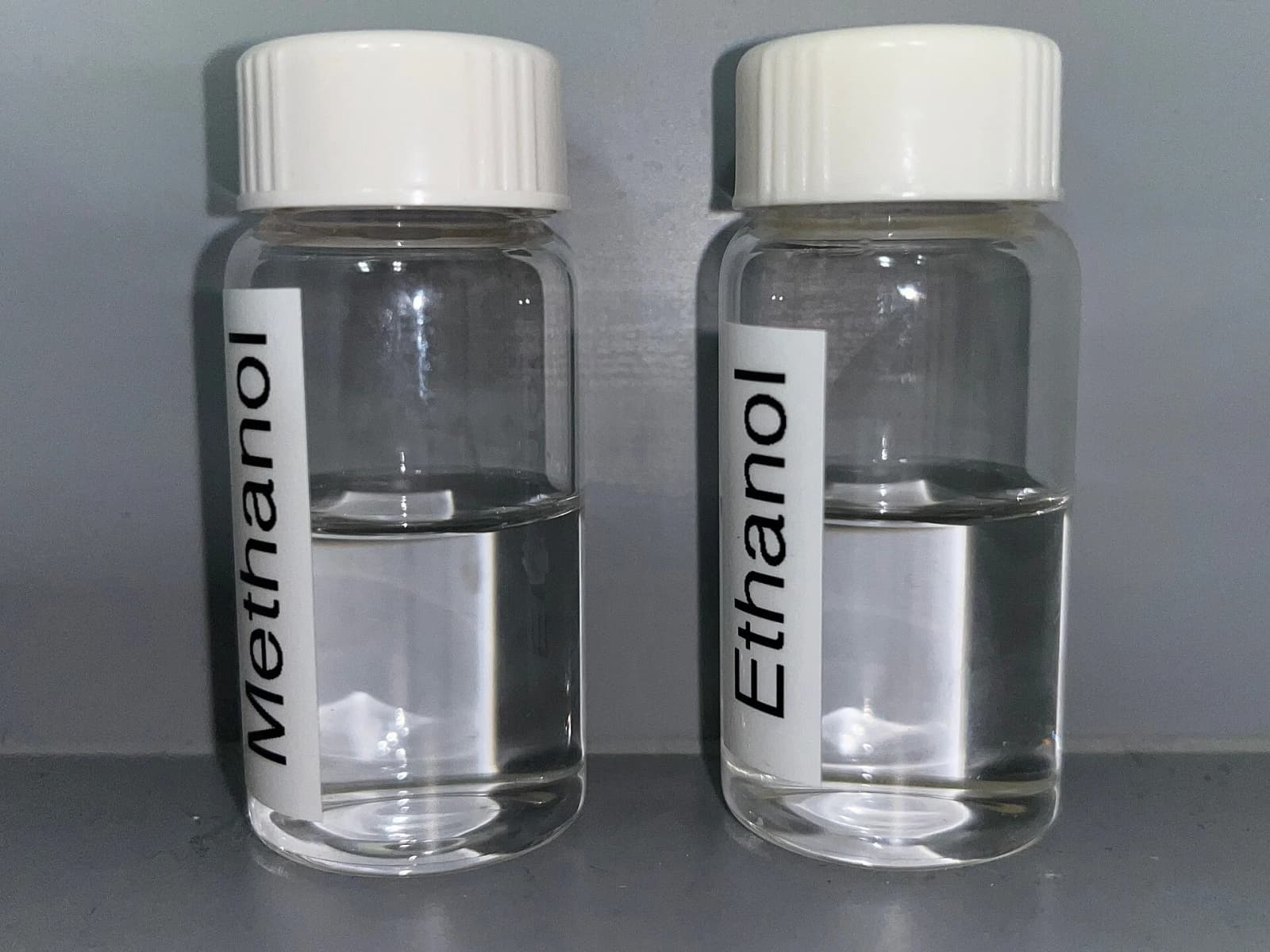
Photo source · DMacks, CC BY 4.0