The US Environmental Protection Agency (EPA) said on 28 November 2026 that its first laboratory results show no rise in lead in the water bodies that supply drinking water around Middletown, Iowa, three days after the US Army blew up nearly five tonnes of degraded lead azide at its ammunition plant there. The agency stressed that thousands of further samples are still being analysed, and environmental campaigners say it is too soon to declare the area safe.
What did the EPA find?
The EPA said the detonation "did not result in an elevation of lead in water bodies that serve as sources of drinking water", according to Al Jazeera and the Associated Press, whose report was carried by PBS NewsHour. In a post on X, the agency said it had "monitored for the presence of airborne lead for 30 consecutive hours" after the blast using Xact air-monitoring systems.
More than 1,500 samples of air, water, soil and dust were collected before the detonation, and hundreds more were taken afterwards from homes, parks and drinking-water sources. About 300 people spent Thursday, 26 November, sampling schools, playgrounds, churches and homes. Lab results for more than 3,200 air, soil, dust and water samples were still pending, and the EPA said it would publish updates once they had been validated.
Why did the Army blow up the stockpile?
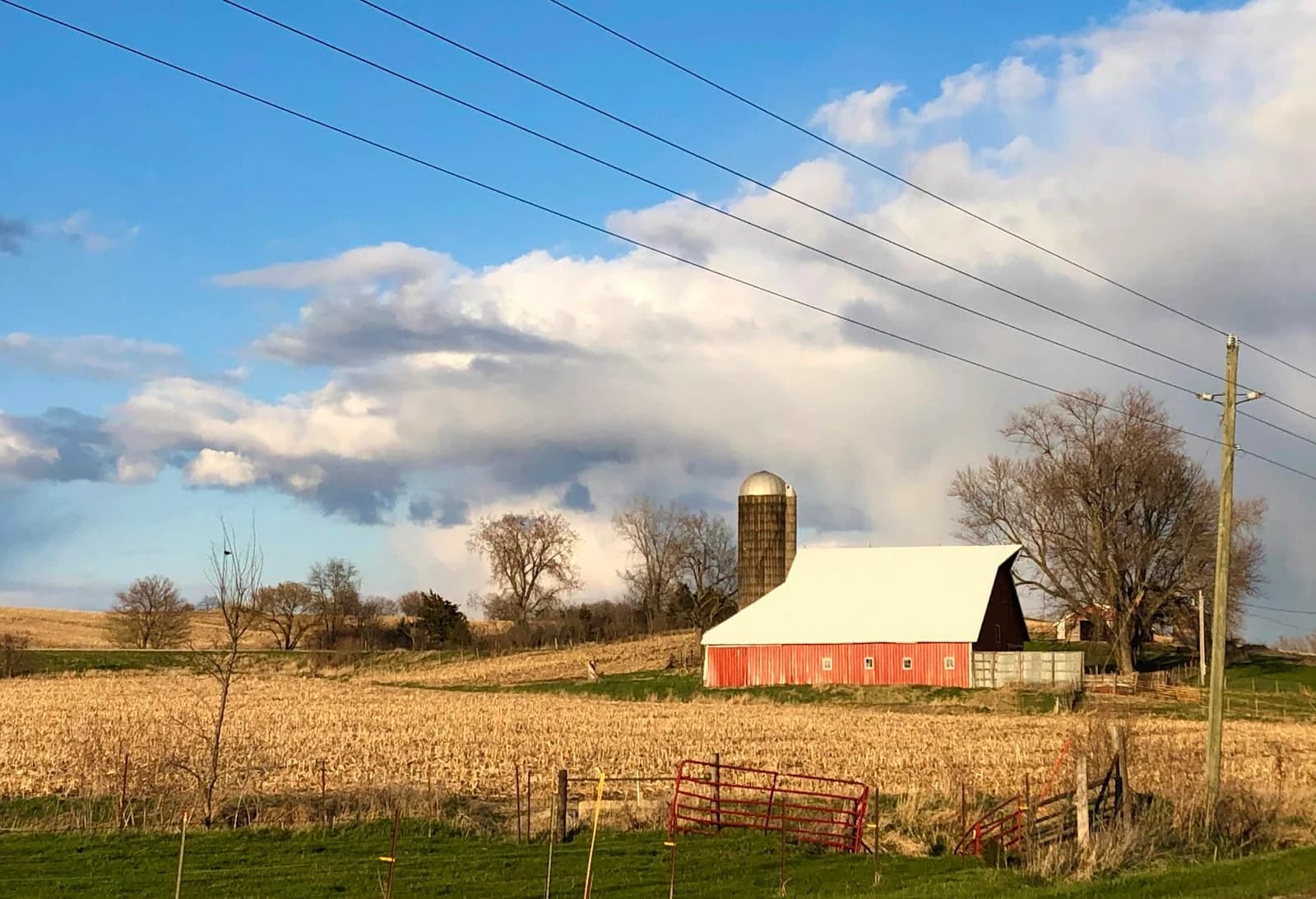
The Army destroyed about 4,500 kg of lead azide, a volatile lead-based explosive used in munitions since the First World War, which had been stored in 68 deteriorating plastic drums at the Iowa Army Ammunition Plant. Two simultaneous open-air detonations were carried out at around 9am on Wednesday, 25 November.
Army commanders argued that immediate destruction was the safest option because the material was degrading and could explode on its own as temperatures fell. Assistant Secretary of the Army Jordan Gillis framed the choice as one between "a spontaneous, uncontrolled detonation of dangerous material" and a controlled one, Al Jazeera reported on the day of the blast.
Who was worried, and why?
Lead is especially dangerous to children and pregnant women and does not break down once it enters the environment. Before the blast, Governor Kim Reynolds declared a disaster emergency in Des Moines, Lee and Van Buren counties, and health officials told residents 8 to 32 km south-west of the plant to stay indoors with windows and doors shut after revised wind projections showed particles drifting towards north-east Missouri. Richard Fordyce, a US Department of Agriculture under secretary, said about 350 farms in Iowa and Missouri could lie within the projected plume.
Residents and some elected officials criticised the Army for short notice and limited transparency, saying many people outside Middletown learned of the plan only days in advance.
How have local leaders and campaigners reacted?
Responses are divided. Brad Bark, mayor of Muscatine, about 80 km north of Middletown, called the findings "reassurance for communities" and said the health and safety of residents remained his priority.
Wally Taylor, legal chair of the Sierra Club's Iowa Chapter, which was among groups that petitioned to pause the permit for the detonation, said he was not confident in the results and that it was "too early to make any firm conclusions". "The lead had to go somewhere," he said, adding that he was waiting for data from the University of Iowa, which placed its own air monitors and collected samples before the blast. Independent experts quoted by Al Jazeera said air readings were of limited value and that soil, water and surface sampling would give a better picture of fallout.
What happens next?
What is confirmed so far is narrow: no rise in lead in drinking-water sources and no airborne lead recorded by the EPA's monitors. Whether lead settled on soil, crops or homes near the plant will only become clear when the remaining 3,200-plus samples, and independent university results, are released in the coming days.