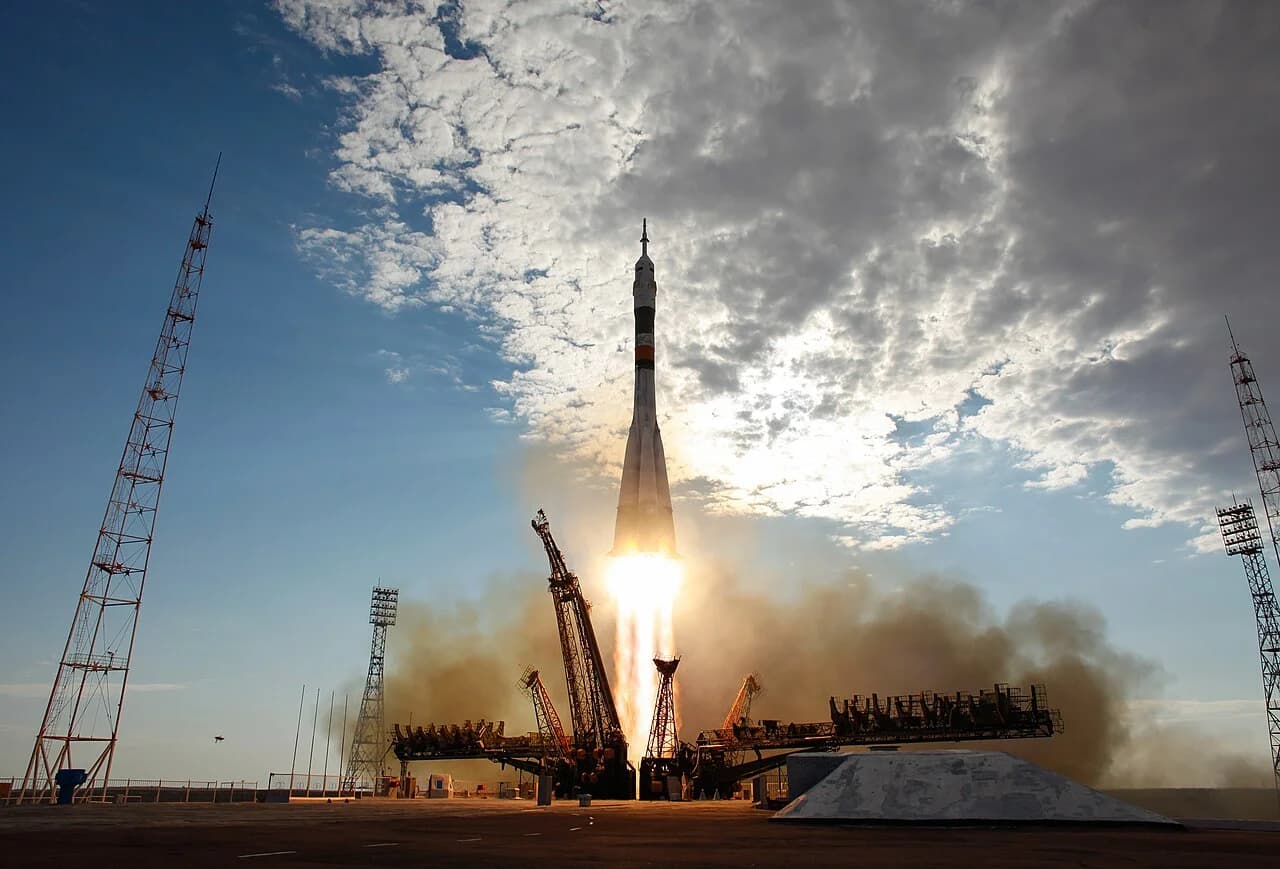
Intelligence services of NATO member states believe Russia plans to put a satellite armed with a nuclear weapon into orbit this year, German broadcasters NDR and WDR and the newspaper Süddeutsche Zeitung reported on 23 November 2026. The Kremlin brushed the report aside the same day, saying it was full of "alleged" and "possible" claims.
The joint investigation, carried by Reuters from Frankfurt, said Western agencies, including Germany's BND foreign intelligence service and the German armed forces, had exchanged intelligence on the spacecraft. None of the governments involved has confirmed the claims on the record, and no supporting documents or images have been published.
What does the German report say?
It says Russia has a satellite called "Sputnik-S" that was put together several years ago and is being kept in the Moscow region. According to The Moscow Times, which cited the investigation, the launch could come as early as December 2026. Warnings circulated earlier this month suggested the satellite could be placed in orbit within 60 days and would be ready for use "within a short time" after that.
The report did not give technical details such as the planned orbit or the type of weapon involved.
How has Russia responded?
Kremlin spokesman Dmitry Peskov told reporters at his daily briefing on Monday: "We haven't seen the report." He said it contained so many "alleged" and "possible" claims, attributed to unnamed sources, that it was hardly worth taking seriously, according to a Reuters report published by TimesLIVE.
The Russian Embassy in Berlin called the report "unfounded insinuations" and part of a "propaganda campaign", and said Russia's activities in space were "strictly peaceful" and in line with international law, The Moscow Times reported. The BND and NATO headquarters in Brussels did not immediately comment, Reuters said.
Why does it matter?
The 1967 Outer Space Treaty bans placing nuclear weapons in Earth's orbit. In October, the US Defense Intelligence Agency said Russia was developing a nuclear-capable satellite in breach of the treaty, warning that such a capability "could cause rapid and sudden loss or degradation of thousands of satellites", according to The Moscow Times.
US officials have alleged for years that Moscow is working on a nuclear weapon that could knock out entire satellite networks such as SpaceX's Starlink, which Ukrainian troops have used. The White House said in February 2024 that Russia was pursuing a "troubling" anti-satellite capability. Russia denied the claims at the time.
Large satellite constellations now carry a growing share of the world's internet and communications traffic, with new players such as Amazon Leo preparing to expand service. Any nuclear blast in orbit would put all of them at risk, not only military systems.
What is confirmed and what is not?
- Confirmed: German media published the report on 23 November; the Kremlin and the Russian Embassy in Berlin rejected it.
- Not confirmed: Whether the satellite exists as described, whether it carries a nuclear weapon, and when, or whether, it will be launched. NATO and the German government have not commented publicly.
The report lands as tensions between Russia and NATO run high. The alliance's ambassadors were meeting this week after Russian missiles and a drone landed in Poland during strikes on Ukraine.
Photo source · NASA/Carla Cioffi, public domain