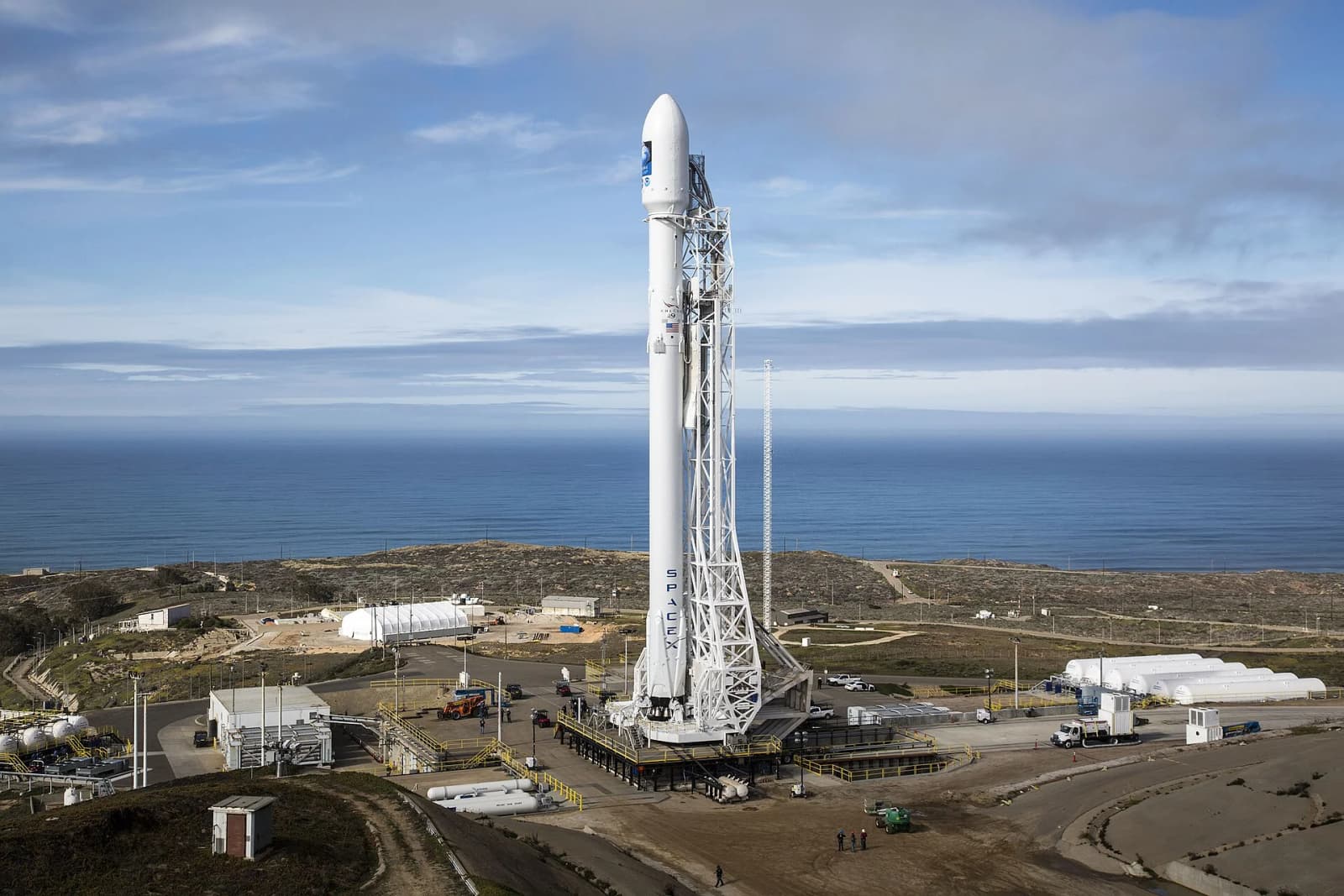
NASA has locked in core spacecraft design elements for its Space Reactor-1 (SR-1) Freedom mission following an October mission design review with the U.S. Department of Energy (DOE) and industry partners at Glenn Research Center in Cleveland. Targeted for launch in late 2028, SR-1 Freedom will mark NASA's first deep-space demonstration of nuclear electric propulsion.
How SR-1 Freedom Will Carry SkyFall to Mars
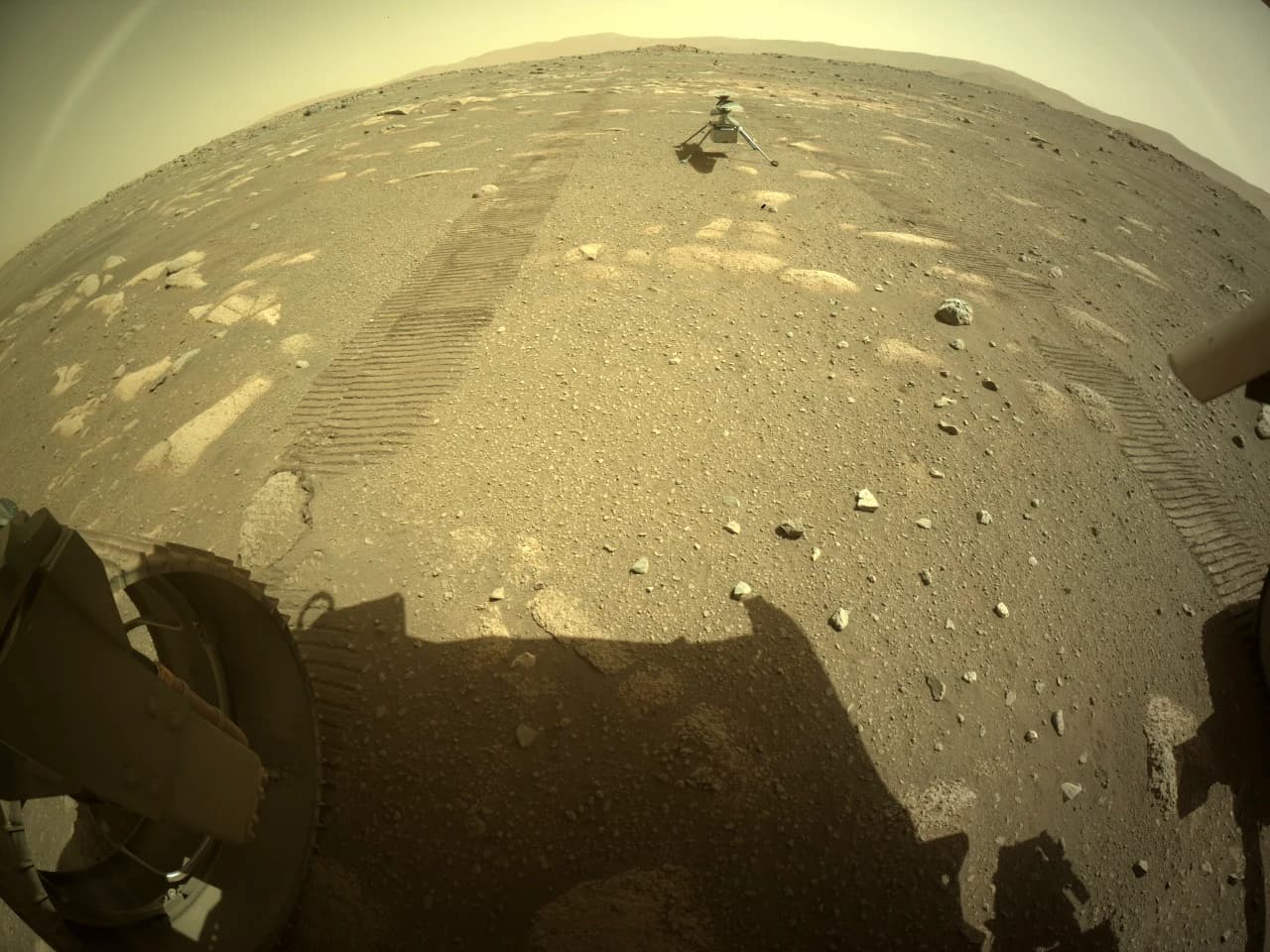
Using a combination of fission nuclear power and solar energy, SR-1 Freedom is designed to deliver SkyFall, an entry capsule carrying three next-generation helicopters to Mars. Once deployed, those helicopters will examine Martian geology and climate history, scout unfamiliar terrain, and look for signs of subsurface ice.
Program director Steve Sinacore described the architecture review as establishing the operational foundation for high-power nuclear propulsion in deep space, where solar flux is weaker or surface sunlight is limited. NASA said the fission technologies matured on SR-1 will also inform reliable surface power systems for future lunar base operations.
Key Architecture Changes and $39.3 Million Contract
Refined since NASA Administrator Jared Isaacman introduced the concept in March, the updated architecture incorporates several hardware optimizations:
- Shorter structural boom: Engineers shortened the boom separating the nuclear reactor from the Power and Propulsion Element to cut mass and simplify assembly.
- Closer reactor shielding: Shielding upgrades allow the reactor to operate closer to spacecraft electronics and the SkyFall payload without compromising radiation protection.
- Deep-space communications: Larger X-band antenna dishes will be integrated into the Power and Propulsion Element to sustain high-rate data return from Mars.
- Thermal management contract: NASA awarded a $39.3 million contract under Aerospace Research, Development, and Engineering Support II to Johns Hopkins University's Applied Physics Laboratory, partnering with Advanced Cooling Technologies for heat pipes and composite radiators.
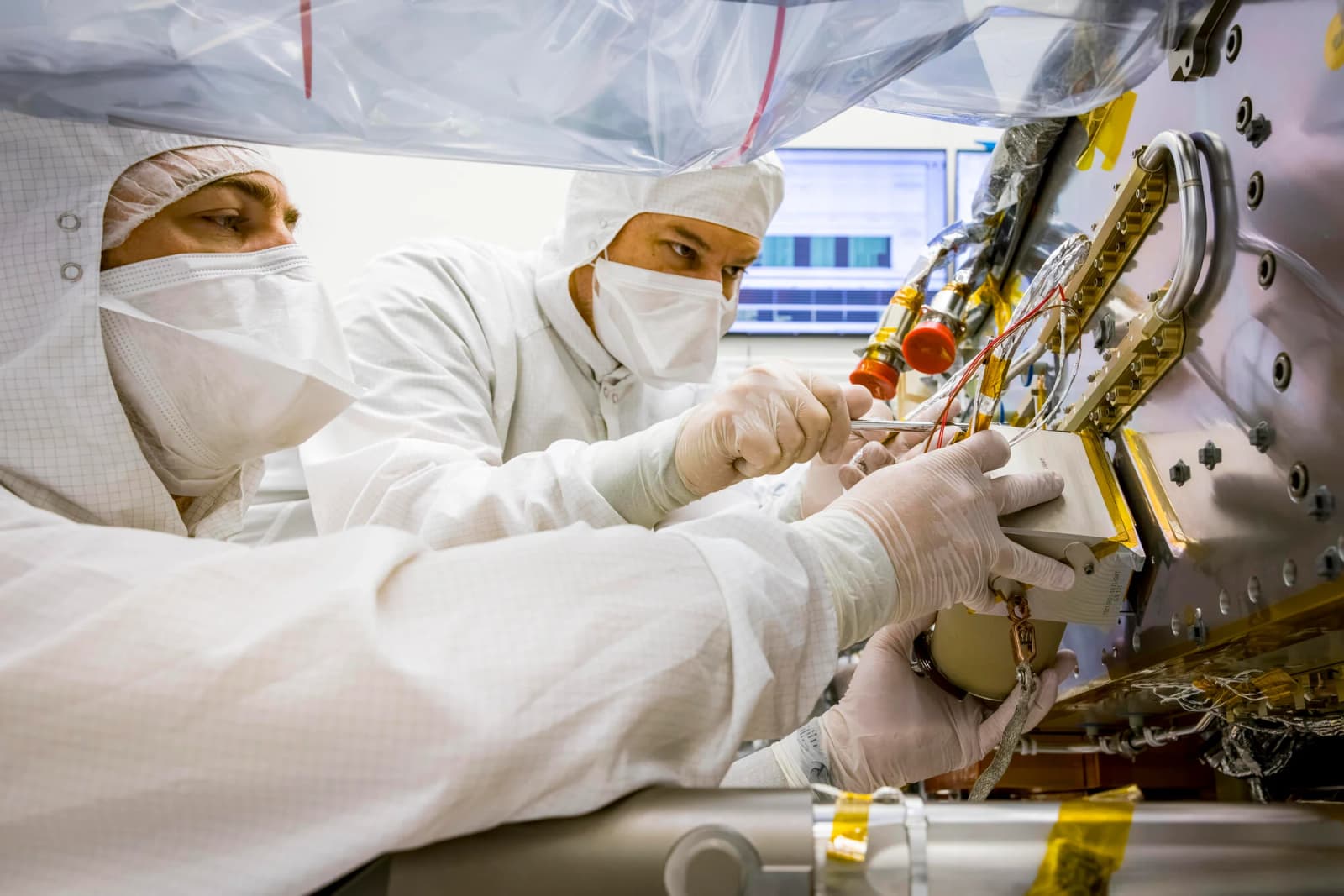
Engineering teams continue evaluating radiator panel counts, nuclear power module output levels, and reactor operating duration as SR-1 Freedom moves toward flight hardware fabrication for the 2028 Mars launch window.