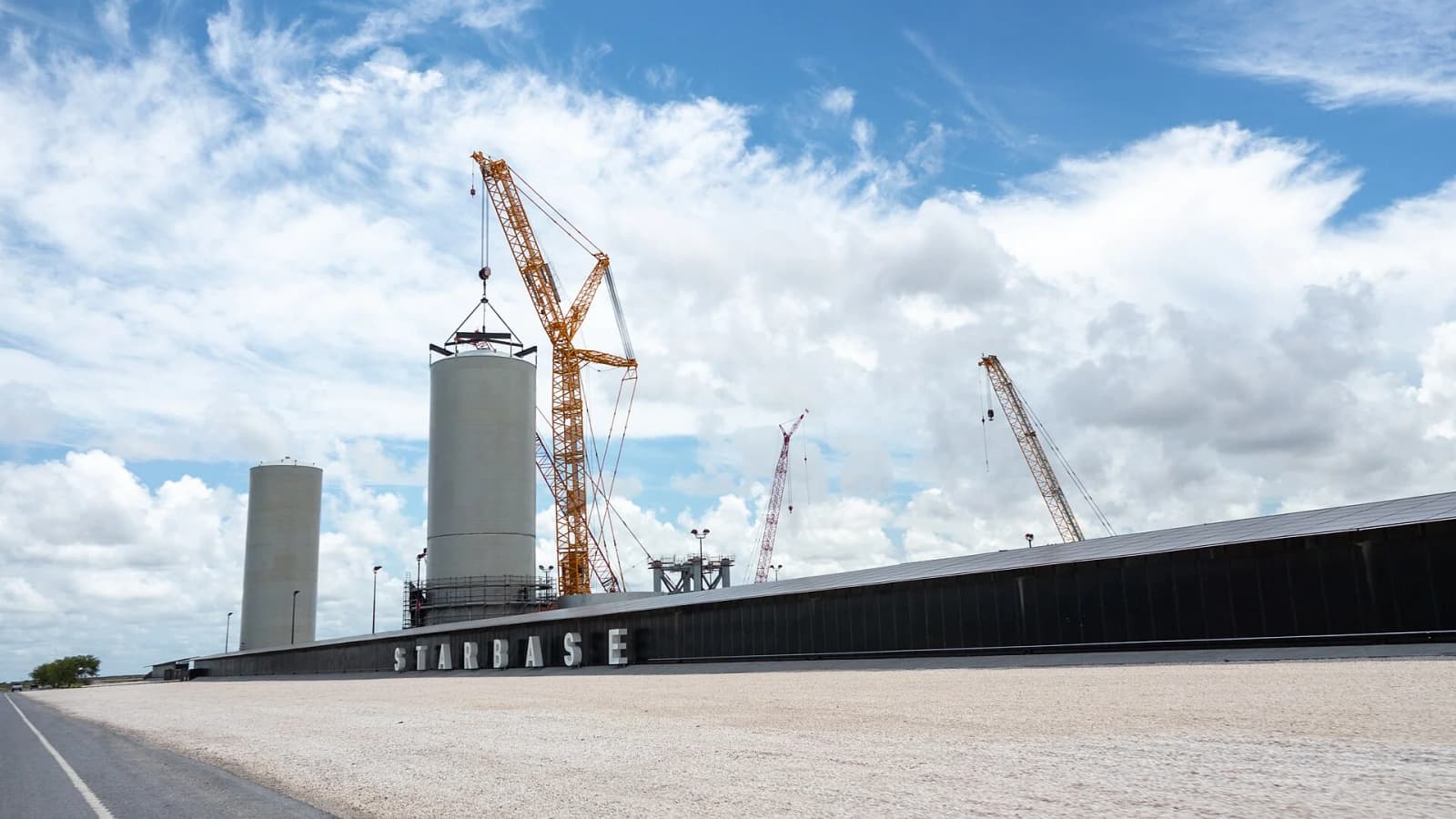
Mexican President Claudia Sheinbaum said on 26 November 2026 that her government wants a formal meeting between Mexican and US air authorities over SpaceX rocket launches from the company's Starbase site in Texas, close to the border. Speaking at her press conference at the Palacio Nacional in Mexico City, she said the talks should cover permission to use Mexican airspace and, if necessary, moving the launch zone, as suspected rocket debris continues to reach beaches in the state of Tamaulipas.
What did Sheinbaum say?
She said Mexico's dealings on the issue are with the US government rather than with the company. According to the official transcript of the 26 November press conference, Sheinbaum told reporters that Mexico had already held a meeting with the US Embassy and that "the relationship is with the government of the United States, not with the company SpaceX".
She explained that because the launch base sits near the frontier, rockets use part of Mexican airspace, which requires authorisation from Mexico's aeronautics agency. She was particularly concerned about future volume: if launches reach a pace of around 400 flights a year, she said, the impact on Mexican airspace would be significant. Mexico therefore wants an agreed permit framework and, if needed, relocation of the launch area.
Separately, she said Mexico's environmental enforcement agency, Profepa, would investigate the debris and could impose sanctions.
Why is the debris an issue?
The question put to Sheinbaum noted that SpaceX was expanding operations in Texas while what the reporter called space junk kept arriving in protected natural areas along the Tamaulipas coast. Al Jazeera, citing Reuters, reported that Profepa said debris had washed up at Playa Bagdad in Matamoros earlier this month, several days after part of a Starship vehicle was destroyed and fell into the sea. The Mexican navy took the material into storage, and Profepa said it would ask SpaceX to take possession of it.
The concern is not new. In October, Mexico News Daily reported that environmental group Conibio Global had collected more than 200 suspected fragments from the first 400 metres of a beach clean-up at Playa Bagdad, while noting that the origin of individual pieces had not been confirmed.
How has SpaceX responded?
SpaceX disputes that the latest material came from its failed Starship flight. In a post on X cited by Al Jazeera, the company said partners had found "very little debris" during beach sweeps and that the small amount recovered "is not clearly from SpaceX operations". It added that it was working with Mexican authorities and remained on standby to help if asked.
What is at stake?
The dispute comes as SpaceX seeks to scale up dramatically at Starbase. According to the Al Jazeera report, the company has asked the US Federal Aviation Administration to raise its permitted activity from 25 launches and 50 landings a year to 456 launches and 912 landings annually. That ambition has grown alongside other approvals: this week the US Federal Communications Commission cleared SpaceX's plan for up to one million data-centre satellites, as MapMyTimes reported.
For Mexico, a sharp rise in launch frequency would mean more frequent use of its airspace and, in its view, more risk of debris reaching an ecologically sensitive coastline.
What happens next?
No date has been announced for the proposed meeting between the two countries' aviation authorities, and Profepa has not yet published findings on the origin of the latest fragments. Whether Mexico presses for relocation of the launch zone is likely to depend on how those talks go and on the FAA's decision on SpaceX's expansion request.
Photo source · Alexander Hatley, CC BY 2.0