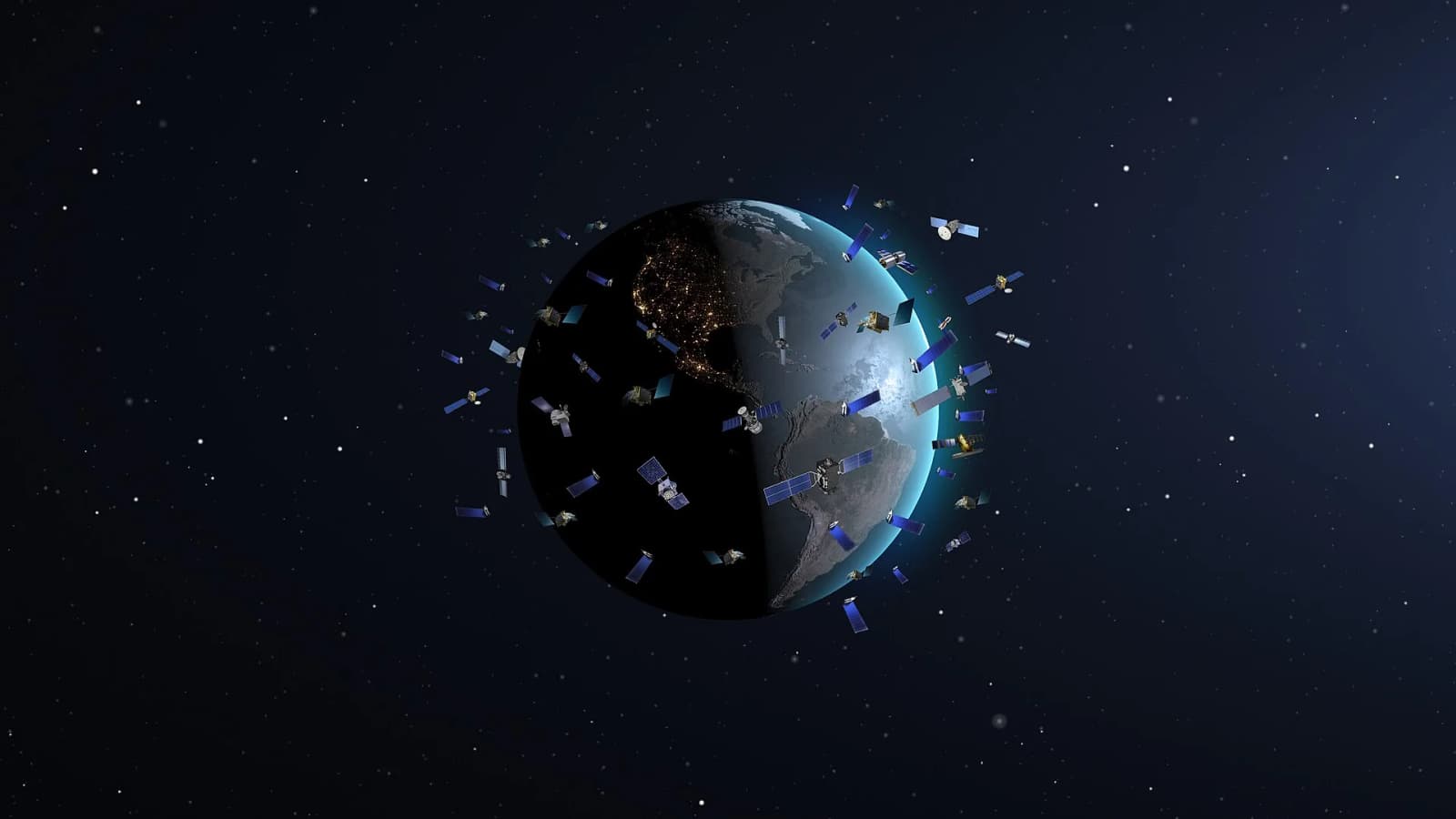
The US Federal Communications Commission (FCC) has authorised SpaceX to deploy up to one million satellites designed to act as orbital data centres for artificial intelligence, FCC Chairman Brendan Carr announced on Wednesday, 25 November 2026, in Washington. The constellation, which SpaceX calls Starmind, would be by far the largest ever proposed; humanity has launched about 28,000 satellites since 1957, according to Space.com.
What has the FCC approved?
The regulator has given SpaceX permission to put computing satellites powered by solar energy into low Earth orbit. Announcing the decision, Carr said: "This action opens a bold new frontier for the computing infrastructure needed to power America's leadership and growth." He added that SpaceX "and the many competitors working on their own orbital data centers are meeting the moment."
SpaceX founder Elon Musk replied on X: "Much appreciated. This will be a great asset to America and the world." According to Space.com, SpaceX aims to launch the first Starmind satellite in the third quarter of 2027 aboard its fully reusable Starship rocket, with each satellite expected to operate for about five years. SpaceX's current Starlink internet network has about 11,000 spacecraft.
Who opposed the plan?
Amazon's satellite unit Kuiper Systems (Amazon Leo), satellite operator Viasat and the American Astronomical Society filed petitions to deny, CNBC reported. In a March filing Amazon called Starmind a "lofty ambition rather than a real plan" and said it would take SpaceX "centuries" to build. Amazon declined to comment on the approval, and SpaceX did not respond to CNBC's request for comment.
The FCC said it dismissed comments on topics outside its authority, including environmental concerns, and also set aside objections over the impact on optical astronomy. Jan Hasselman, a senior attorney at the environmental group Earthjustice, criticised the commission for acting without the review he said the National Environmental Policy Act requires, and for issuing the decision during the US Thanksgiving holiday week. Astrophysicist Adam Becker told CNBC that any serious attempt "is going to further pollute the night sky" and could trigger a "cascading chain reaction of space junk collisions".
Why does it matter?
Technology companies are looking to space to escape the power and land constraints facing data centres on Earth. Starcloud and Google have already launched AI pathfinder satellites, and Blue Origin asked the FCC in March for permission to launch up to 51,600 satellites under its Project Sunrise. SpaceX has itself cautioned in regulatory filings that space data centres rely on unproven technologies and may not become commercially viable.
What happens next?
The approval does not mean a million satellites will fly soon. At Starship's capacity of up to 60 V3 Starlink-class satellites per launch, Space.com estimates that even assembling SpaceX's planned next-generation Starlink network would take about 1,700 launches. Critics are likely to keep pressing environmental and astronomy objections as SpaceX moves towards its first deployment.
Photo source · NOIRLab/NSF/AURA/P. Marenfeld, CC BY 4.0