Meta Platforms, the owner of Facebook, Instagram and WhatsApp, has said it is reconsidering the 2030 deadline for its goal of net zero emissions across its value chain, after its net carbon emissions rose 45% in 2025 as it raced to build infrastructure for artificial intelligence. The disclosure is in the company's 2026 Sustainability Report, released this week, in a message signed by Rachel Peterson, Vice President for Data Centers, and Blair Swedeen, Global Head of Net Zero and Sustainability.
What exactly did Meta say?
Meta said it is "re-evaluating our timelines, sequencing, and interim milestones", including the 2030 timeframe for its net zero goal and its near-term emissions-intensity targets. It has not announced a new date. "We will share where this work lands," the two executives wrote, adding that the long-term aim of a pathway to net zero, and of restoring more water than the company consumes, remains unchanged.
The company had set two headline goals for 2030: net zero emissions across its value chain and becoming water positive. The report's re-evaluation language refers specifically to the net zero timeframe and the intensity targets.
How much have Meta's emissions grown?
Meta's net emissions were 11.8 million metric tonnes of carbon dioxide equivalent in 2025, a 45% increase on the previous year, according to the report. The company attributed the rise mainly to two parts of its Scope 3 footprint: purchased goods and services, and capital goods. In plain terms, most of the growth came from what Meta buys and builds, such as servers, chips and construction materials, rather than from electricity used in its own buildings.
Why is the target slipping?
Meta's explanation is the speed of the AI build-out. The executives wrote that demand for AI infrastructure has grown "faster than almost anyone projected", arriving "on a timeline measured in quarters rather than decades". They said progress on clean energy and other low-carbon options has not kept pace, citing interconnection queues that run years long, permitting timelines that have not meaningfully shortened, transmission lines that lag demand, and immature supply chains for low-carbon fuels, materials and hardware.
Why does it matter?
Meta's own account ties the delay directly to the AI build-out, making it a clear example of how AI infrastructure spending can collide with a company's climate pledges. The emissions that are growing fastest sit in its supply chain, which means they are harder for the company to cut directly through its own renewable-power purchases.
For investors and regulators that track corporate climate commitments, the key open questions are what the new timeline will be, whether interim targets will be loosened, and how Meta will report progress in the meantime.
What is confirmed and what is not
- Confirmed: Meta is re-evaluating the 2030 net zero timeframe and near-term intensity targets; 2025 net emissions were 11.8 million tonnes CO2e, up 45%.
- Not yet known: any revised target year, changes to interim milestones, or a date by which Meta will publish them.
What happens next?
Meta said it will post updates on its sustainability website. Until then, its 2030 net zero goal remains formally under review rather than withdrawn.
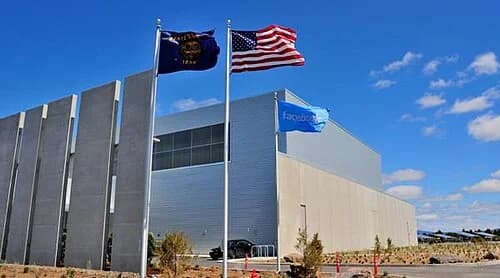
Photo source · Intel Free Press, CC BY 2.0