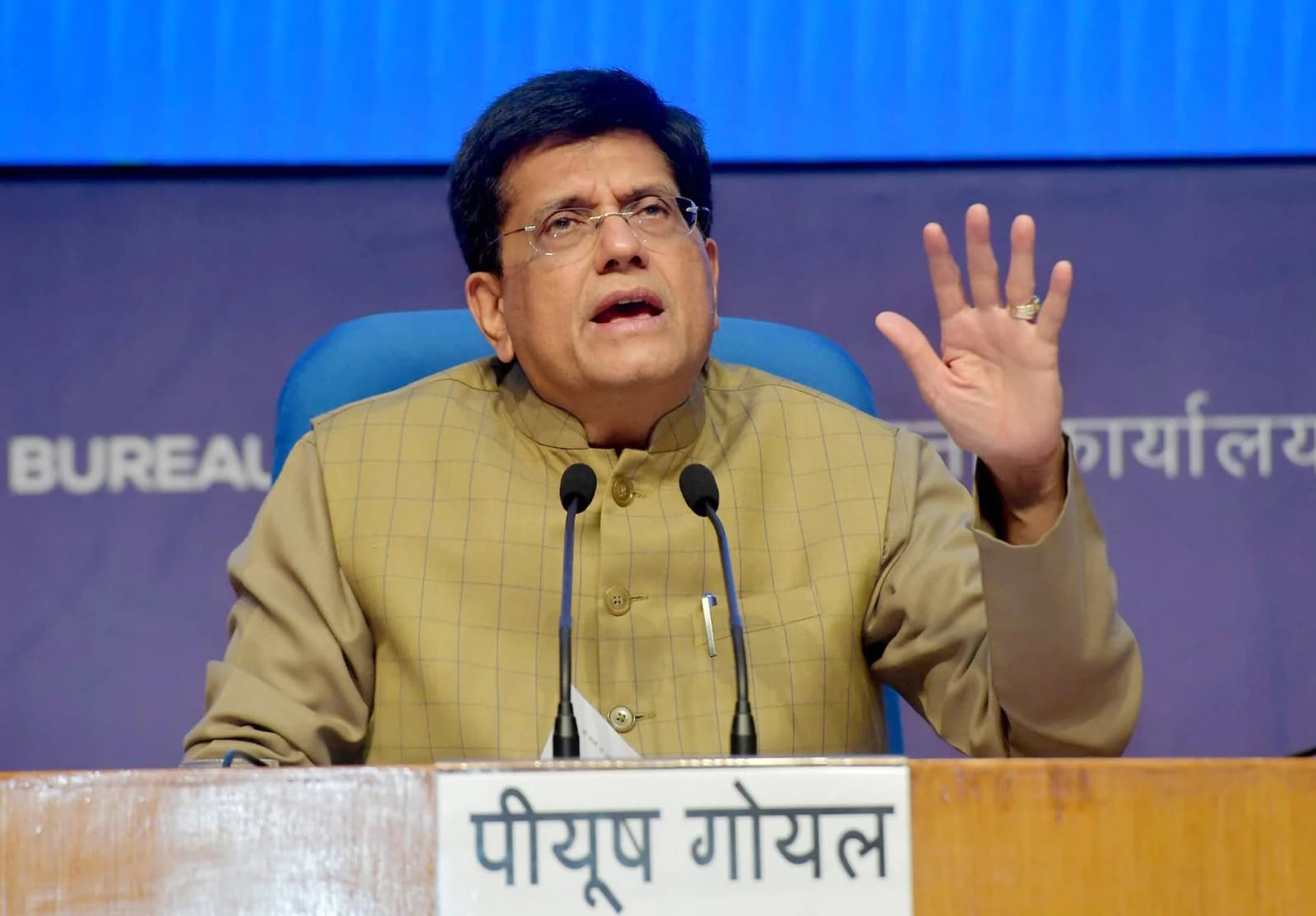
The Central Board of Trustees (CBT) of the Employees' Provident Fund Organisation (EPFO) on 19 November 2026 approved a Systematic Withdrawal Plan that will let retiring members draw their provident fund (PF) savings in regular instalments rather than as one lump sum. The board, meeting in New Delhi under the chairmanship of Union Labour and Employment Minister Dr Mansukh Mandaviya, also cut the minimum balance members must keep in their PF accounts from 25% to 10% of contributions.
The decisions were announced by the Ministry of Labour and Employment in a press release issued after the 240th CBT meeting. Labour Secretary Dr Chandra Bhushan Kumar, the board's co-vice-chairperson, and Central Provident Fund Commissioner Ramesh Krishnamurthi, its member secretary, attended along with representatives of the Centre, states, employers and employees.
What is the Systematic Withdrawal Plan?
It is a voluntary option that lets a retiring member receive accumulated PF money monthly, quarterly or half-yearly, while the balance stays invested and continues to earn returns. According to the ministry, no member will be compelled to use it. If the member dies during the payout period, the nominee or dependant can either withdraw the remaining balance or keep receiving instalments, and the option may be extended to eligible family members.
The ministry said about 6.32 lakh EPF members above 55 years of age who hold more than ₹5 lakh in PF savings are expected to be the main beneficiaries in the first phase. It added that the plan is meant to give retirees a predictable income stream, reduce the risk of reinvesting a lump sum, and support the extension of social security to gig and platform workers.
The same proposal introduces Universal Account Number (UAN)-linked routes for direct voluntary contributions and small third-party contributions, such as customer tips, outside the employer payroll system.
What changes for PF withdrawals?
Besides lowering the minimum balance requirement from 25% to 10%, the board reduced the waiting period for final PF withdrawal from 12 months to two months. The ministry said the changes give members more flexibility while protecting their long-term social security.
Other decisions
- Alternative Investment Funds: The board gave in-principle approval to invest up to 3% of fresh accretions in eligible Alternative Investment Funds (AIFs), within the existing overall investment ceiling and initially through government-backed entities.
- Insurance scheme relief: Amendments to the Employees' Deposit Linked Insurance (EDLI) Scheme, 2026 give eligible establishments a six-month window to renew expired exemptions, with relief from contributions, interest and penal damages for the verified transitional period.
- Exempted funds: The board reviewed the surrender of exemption by 27 establishments and cancellation in four, which will move about ₹5,996 crore covering 1,44,437 members to EPFO's direct administration.
- Budget: Revised Estimates for 2026-27 and Budget Estimates for 2027-28 were approved.
Why it matters
Until now, retiring members typically took their PF corpus out in one go, leaving them to decide where to park it. A staggered payout keeps the money with EPFO while giving pensioners a regular cash flow. The board was also told that under its new IT platform, CITES 2.0, auto-processed claims rose from 39% to 71% of the total, the claim rejection ratio fell from 23% to 7.82%, and average settlement time dropped from 11.15 days to 2.57 days.
What is confirmed and what is not
Confirmed: the board approved the withdrawal plan, the lower minimum balance and the shorter waiting period. Not yet confirmed: the date from which members can use the new plan. The ministry said amendments to the EPF Scheme will be notified after approval from the ministry, and a matching change to the Income Tax Act is being taken up with the Ministry of Finance.