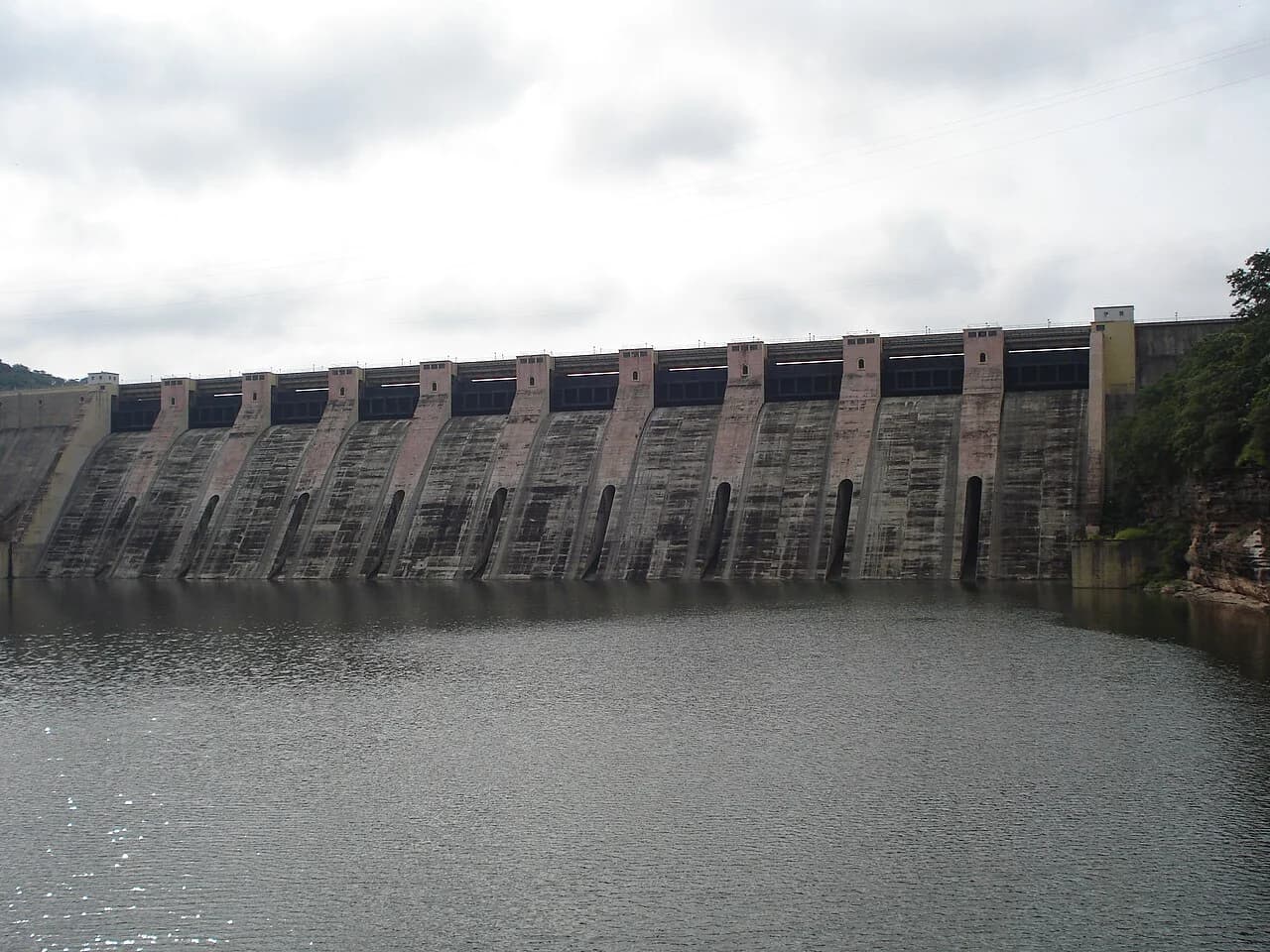
The Madhya Pradesh Cabinet, chaired by Chief Minister Mohan Yadav, on 18 November 2026 decided to scrap the two-child norm that has applied to state government jobs and employees since 2001. The decision was taken at a special "destination" Cabinet meeting held at Gandhi Sagar in Mandsaur district, where the government also cleared five industrial parks and projects, six special courts for narcotics cases and a new university in Morena.
What exactly has the Cabinet changed?
The Cabinet approved removing the two-child provisions from two sets of service rules: the Madhya Pradesh Civil Services (General Conditions of Service) Rules, 1961, and the Madhya Pradesh Civil Services (Conduct) Rules, 1965, according to the Free Press Journal's report on the meeting. Under the first set of rules, candidates with more than two children born on or after 26 January 2001 were ineligible for government jobs. Under the conduct rules, serving employees with more than two children could face disciplinary action, as having a third child was treated as misconduct.
The change therefore covers both people applying for state government jobs and those already in service.
What happens to employees already facing action?
Pending disciplinary proceedings against government employees that were started only because they have more than two living children will be dropped, according to reports by the Free Press Journal, Deccan Chronicle and Indian Masterminds. Deccan Chronicle, citing official sources, reported that these pending proceedings involve around 30,000 government school teachers. The same report said final disciplinary orders already passed in such cases will not be reopened.
Why did the government drop the rule?
The Free Press Journal reported that the Cabinet cited the declining reproduction rate in Madhya Pradesh as the reason. Indian Masterminds reported that the earlier rule had created difficulties for government employees, and that Chief Minister Yadav questioned why such a restriction should apply only to government servants when it did not apply to other sections of society.
Deccan Chronicle noted that Chhattisgarh, Haryana and Himachal Pradesh have already dropped the two-child condition for government jobs.
What else did the Gandhi Sagar Cabinet approve?
The Cabinet approved five industrial parks and projects expected to attract investment of about Rs 70,650 crore and to generate around 3.14 lakh jobs, the Free Press Journal reported. These include:
- an agro park on 178 hectares at Basai village in Mandsaur district;
- a chemical park on 3,500 acres at Kurlasi village in Garoth tehsil of Mandsaur district;
- a bio-pharma park on 453 hectares in Ratlam;
- a textile and allied industries park on 341.10 hectares at Bhainsola village in Dhar district;
- a multi-product industrial area in Pandhurna.
Special courts under the Narcotic Drugs and Psychotropic Substances (NDPS) Act were approved for Indore, Mandsaur, Neemuch, Singrauli, Bhopal and Rewa to speed up the disposal of drug cases. Indian Masterminds reported that the Chief Minister linked this to the national goal of a drug-free India by 2029.
The Cabinet also cleared Shri Radhe University in Morena district, which is expected to begin academic work from the 2027-28 session; a forest zoo and rescue centre costing about Rs 855 crore on 210 hectares of the Naulakhi Reserved Forest area in Ujjain; and a Rs 237 crore research and innovation park on 100 acres in Ujjain. It raised the sanctioned amount for construction at Rewa Medical College from Rs 321.94 crore to Rs 414.17 crore.
Amendments to the Madhya Pradesh Civil Aviation Policy, 2025, extend viability gap funding for domestic air services from one year to four years, and for international services from one year to two years. The Confederation of Indian Industry (CII) will serve as the national partner of the Madhya Pradesh Industrial Development Corporation for three years under changes to the state's Industry Promotion Policy, 2025.
What happens next?
The Cabinet approval clears the way for the amended service rules to take effect. The reports do not say when the formal notification will be issued. Job seekers and employees affected by the old provision should watch for the state government's official notification for the exact wording and effective date.
Photo source · LRBurdak, CC BY-SA 3.0