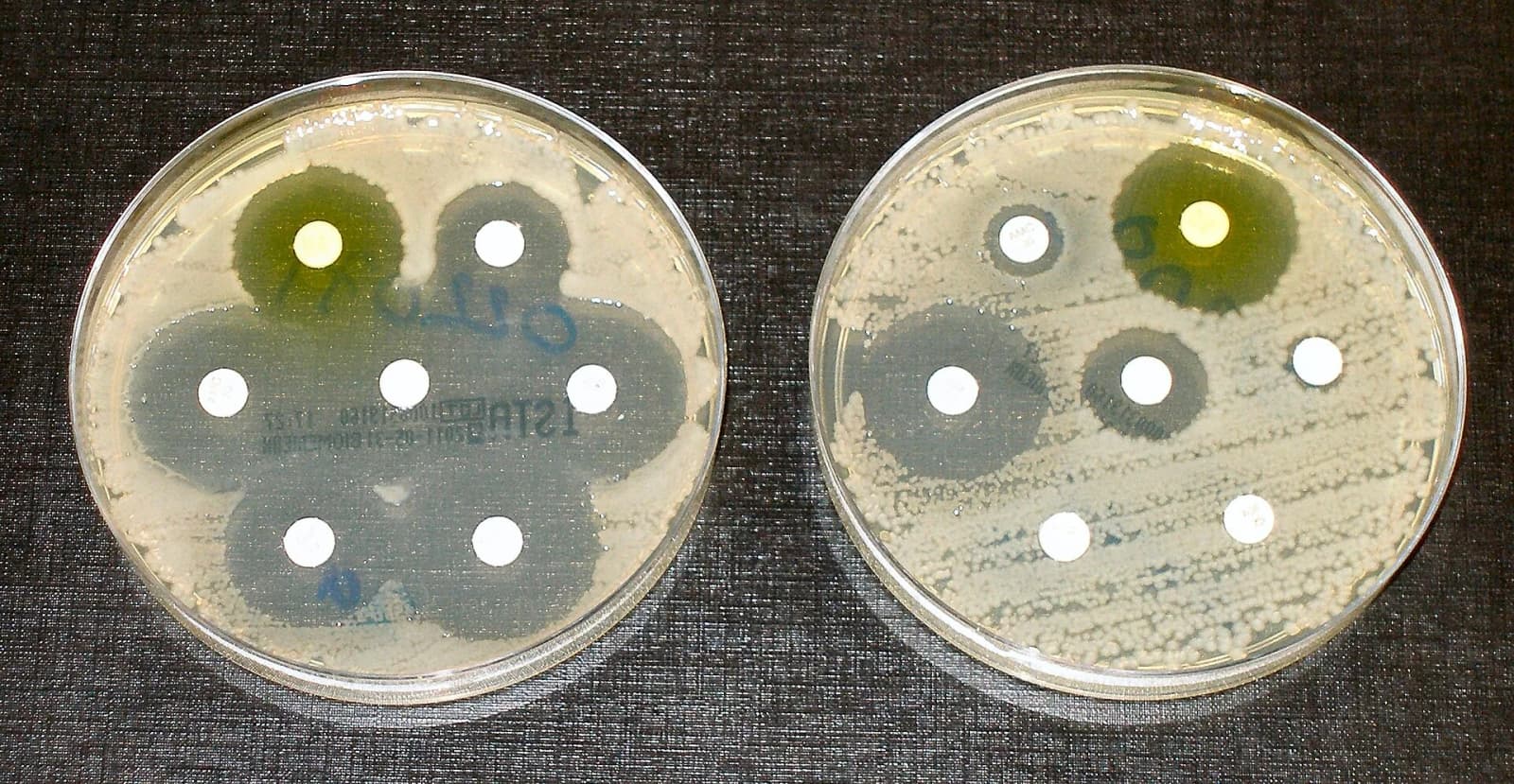
The Union Ministry of Health and Family Welfare has proposed treating all antimicrobial medicines as "new drugs" under the New Drugs and Clinical Trials (NDCT) Rules, 2019, a change that would require manufacturers to secure central clearance before they can seek a state manufacturing licence. The proposal was made public through a Press Information Bureau (PIB) release issued in New Delhi on 19 November 2026, and is open for public comment.
What exactly is the government proposing?
The ministry wants to add "antimicrobials" to the definition of "New Drug" under Rule 2(1)(w)(v) of the NDCT Rules, 2019. According to the release, the change has been set out in a draft Gazette notification, G.S.R. 983(E), dated 6 November.
Once a medicine falls under the new-drug framework, the approval route changes. Under the proposal, a company would first have to obtain permission from the Central Licensing Authority (CLA) and only then apply to the relevant State Licensing Authority (SLA) for a manufacturing licence. The ministry said this is expected to strengthen central regulatory oversight and help ensure the quality, safety and efficacy of antimicrobial products.
Why is the ministry doing this now?
The ministry said the amendment was initiated because of concerns that manufacturing licences for antimicrobial products had been granted without adequate regulatory scrutiny. It specifically mentioned studies such as bioavailability/bioequivalence tests and stability studies, as examples of the scrutiny it said had been inadequate.
According to the release, the absence of such assessments may affect the quality, safety and efficacy of these medicines. The ministry added that substandard or ineffective antimicrobials can contribute to the development and spread of antimicrobial resistance (AMR), which poses risks to patient safety.
The release described AMR as a major global public health concern requiring coordinated action, and noted that the G20 New Delhi Leaders' Declaration had underscored the need to tackle it through a One Health approach.
Why it matters for patients and industry
If the draft is adopted, the central regulator would gain a gatekeeping role over new manufacturing approvals for these products, which until now could be pursued at the state level. The release did not say how many products or manufacturers would be affected, or whether the change would apply to licences that have already been granted.
The proposal comes days after MapMyTimes reported on the Indian Council of Medical Research's latest surveillance report on antibiotic resistance. On the same day as the antimicrobial proposal, the ministry also announced other draft changes to drug regulation, including good storage and distribution practices for medicines and a separate licensing framework for the wholesale of bulk drugs.
How can the public respond, and what happens next?
Objections and suggestions can be sent within 30 days from the date on which copies of the Gazette containing the draft rules are made available to the public. According to the release, they may be addressed to the Under Secretary (Drugs), Ministry of Health and Family Welfare, U-6, Work Hall–C Wing, First Floor, Kartavya Bhawan-1, New Delhi–110001, or emailed to drugsdiv-mohfw@gov.in.
The Central Government will consider the responses before deciding whether to finalise the amendment. No date for the final notification or for the rule to take effect has been announced.
Photo source · Dr Graham Beards, CC BY-SA 4.0