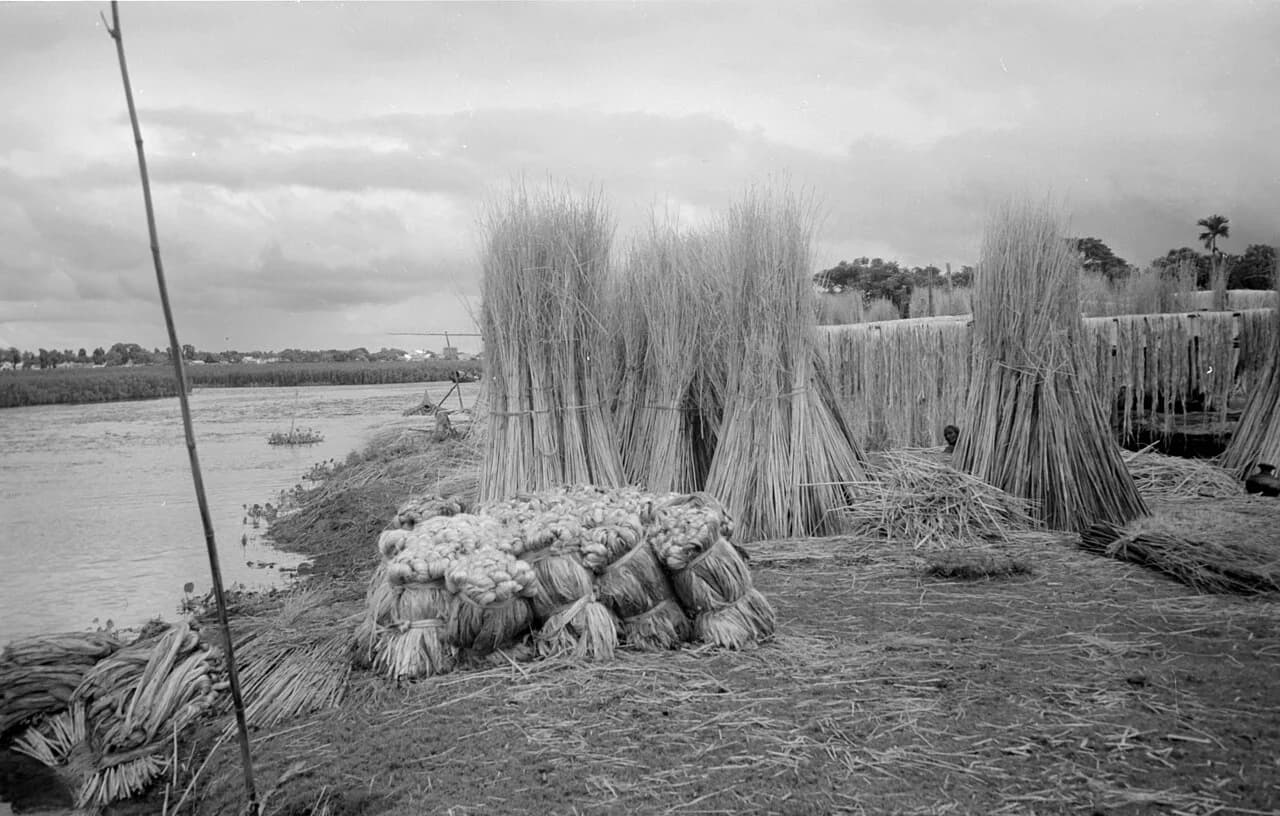
The Jute Commissioner under India's Ministry of Textiles has set maximum limits on how much raw jute balers, stockists, traders and jute mills may hold, and has ordered anyone above the ceiling to sell and deliver the surplus by 10 December 2026, the government said in New Delhi on 28 November 2026. The order, dated 27 November 2026, applies to stock held by any person, whether on their own account or on behalf of others.
The official release said the limits were needed to improve the availability of raw jute for stakeholders. It linked the move to price volatility and speculative increases that, in the government's view, could disrupt production and employment in the jute industry.
How much raw jute can each trader or mill now hold?
The ceilings depend on the type of business and whether it is registered with the Office of the Jute Commissioner and filing stock returns on the Jute SMART portal:
- Balers with a baling press on the same premises who are registered and filing returns, or who had applied for registration by the date of notification: up to 1,000 quintals at any time.
- All other registered stockists filing returns, or those who had applied for registration by that date: up to 100 quintals.
- Unregistered stockists and balers who had not applied by that date, and registered ones not filing stock returns: up to 5 quintals.
- Jute mills and units making jute goods from raw jute: no more than 90 days' consumption at their current production rate.
What must stockholders do now?
Anyone holding more than the permitted quantity must sell the excess and physically deliver it to the buyer on or before 10 December 2026. With immediate effect, they must also stop buying fresh stock until their holdings fall within the limit. Everyone covered by the order has to declare and update stock every fortnight through returns on the Jute SMART portal.
The order closes some obvious loopholes. Raw jute kept at one premises will be counted as a single stock even if it is recorded in the names of different traders, stockists or balers, and where businesses share a godown or baling press, the combined quantity there must stay within the limit. Jute that has been contracted for sale will still count as the seller's stock until it is physically delivered.
Legal basis and penalties
The order was issued under Clause 5 and Clause 6(1)(iii) of the Jute and Jute Textiles Control Order, 2016. Officers authorised by the Jute Commissioner, along with state police, may enter and search premises including godowns, inspect books and records, and seize raw jute they reasonably believe has been stored in violation of the order. The government said it will ask state governments to help act against entities hoarding raw jute.
Violations are punishable under Clause 11 of the control order read with Section 7 of the Essential Commodities Act, 1955, which provides for imprisonment and fines. Confiscation is covered by Section 6 of that Act, and false statements attract penalties under Section 9.
Why it matters
The government said the measures are meant to steady supply, prevent market manipulation and protect the interests of farmers, manufacturers and consumers. The release did not give current raw jute prices or say how long the limits will remain in force, so the effect on prices will become clearer only after the 10 December deadline for offloading surplus stock and the first fortnightly returns come in.