The International Tribunal for the Law of the Sea (ITLOS), sitting in Hamburg, Germany, on 28 November 2026 rejected Argentina's request for emergency measures to stop the Sea Lion oil project in waters north of the Falkland Islands, which Argentina calls the Islas Malvinas. The order in Case No. 37, Argentina v. United Kingdom, was adopted by 18 votes to 3.
The ruling is a procedural setback for Argentina rather than a final judgment. The tribunal decided only whether to order temporary relief while a separate arbitration on the substance of the dispute is set up.
What did the tribunal decide?
It refused every provisional measure Argentina had sought in its request of 13 October 2026. Under Article 290(5) of the United Nations Convention on the Law of the Sea (UNCLOS), the tribunal can grant interim relief only if the treaty provisions a state relies on appear, at first sight, to give the future arbitral tribunal jurisdiction. The judges concluded that none of the provisions invoked by Argentina met that test, so they did not go on to consider the other conditions for emergency relief.
A central part of the reasoning concerned sovereignty. The order notes that Argentina's main claim presupposes deciding which state holds sovereignty over the islands, a question of territorial sovereignty that the judges treated as governed by rules of international law outside UNCLOS. The tribunal also stressed that its order does not prejudge whether the arbitral tribunal has jurisdiction over the merits, or the merits themselves.
ITLOS President Maurice Kamga, 16 other judges and Vaughan Lowe, the judge ad hoc chosen by the United Kingdom, formed the majority. Judges Horinouchi and Patel and Raúl Vinuesa, the judge ad hoc chosen by Argentina, dissented, and several judges attached separate opinions or declarations.
What did the UK promise?
The tribunal formally placed on record assurances the United Kingdom gave during the hearing: that drilling at Sea Lion will not begin before 21 March 2027, that extraction will not begin before March 2028, and that no further licences will be granted while the islands' licensing regime is suspended. These are commitments noted by the court, not measures it ordered.
The judges also encouraged both governments to cooperate in quickly forming the arbitral tribunal under Annex VII of UNCLOS that will hear the full case. According to the order, the UK said it expected that tribunal to be constituted by the end of 2026 or by January 2027 at the latest, and Argentina said it would be happy to proceed quickly.
The Sea Lion project
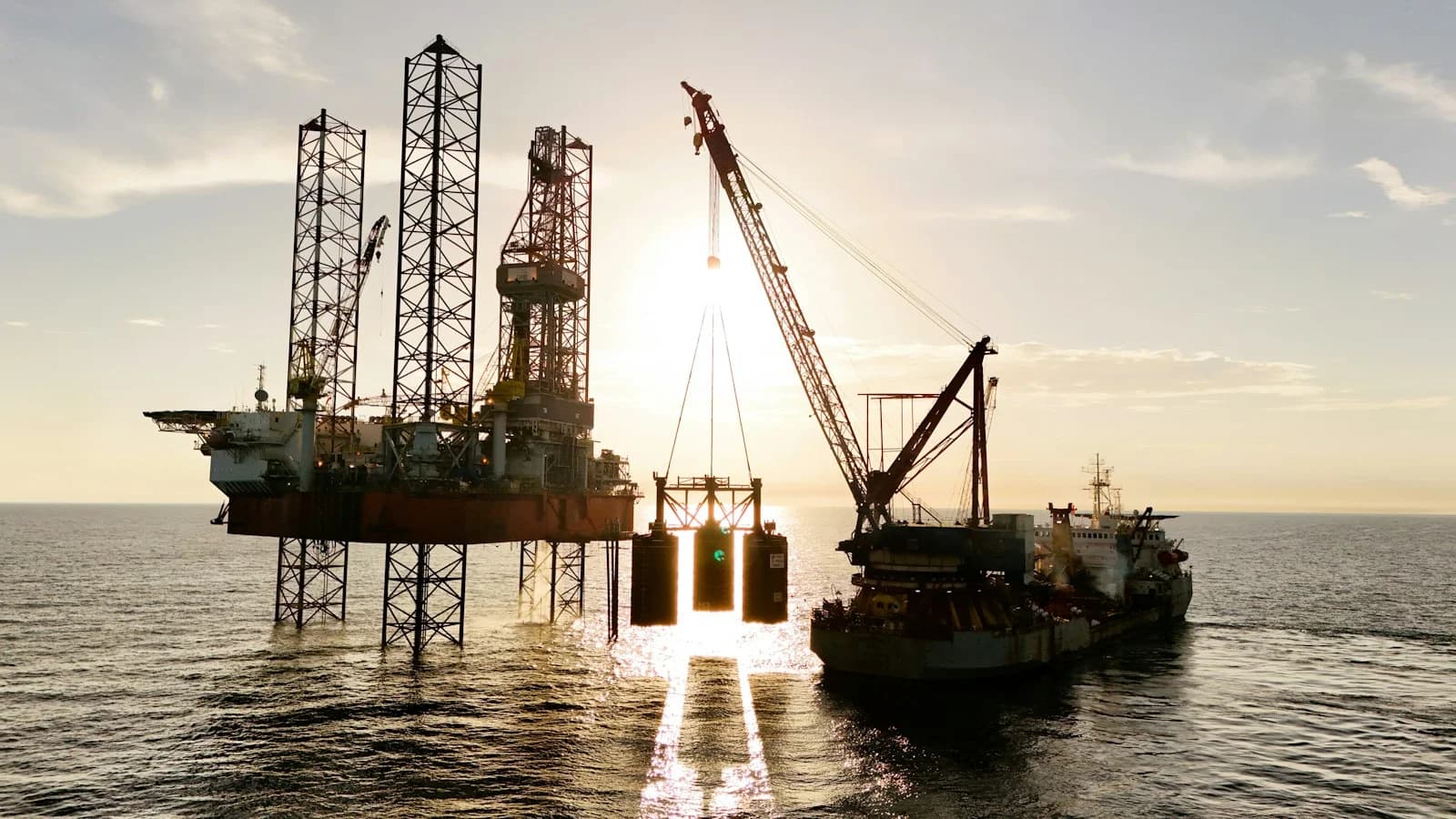
Sea Lion is the first commercial oilfield being developed in Falklands waters, roughly 200 km north of the islands, according to an IntelliNews report published on 29 November. It is operated by Israel's Navitas Petroleum, which holds 65 per cent, with Britain's Rockhopper Exploration holding the remaining 35 per cent. The first phase is expected to peak at about 50,000 barrels a day, with first oil targeted for early 2028, the report said. The Morning Star's world round-up put the project's value at $2.1 billion.
How did London and Buenos Aires respond?
The two governments read the result very differently. UK ministers, in a joint statement cited by IntelliNews, called it "a vindication of the UK's robust legal defence and strategy."
The Argentine presidency said the decision "is not the final word" and repeated its claim that the islands belong to Argentina, according to the same report. Foreign Minister Pablo Quirno accused Britain of a "biased interpretation" and said "this process is far from over," while also saying Argentina was willing to return to bilateral negotiations.
What happens next?
The dispute now moves to the Annex VII arbitral tribunal, which Argentina set in motion on 28 September 2026. Argentina has said it will seek the same measures there. Until that panel rules, the UK's assurances on drilling and licensing remain the main recorded limits on activity at Sea Lion.