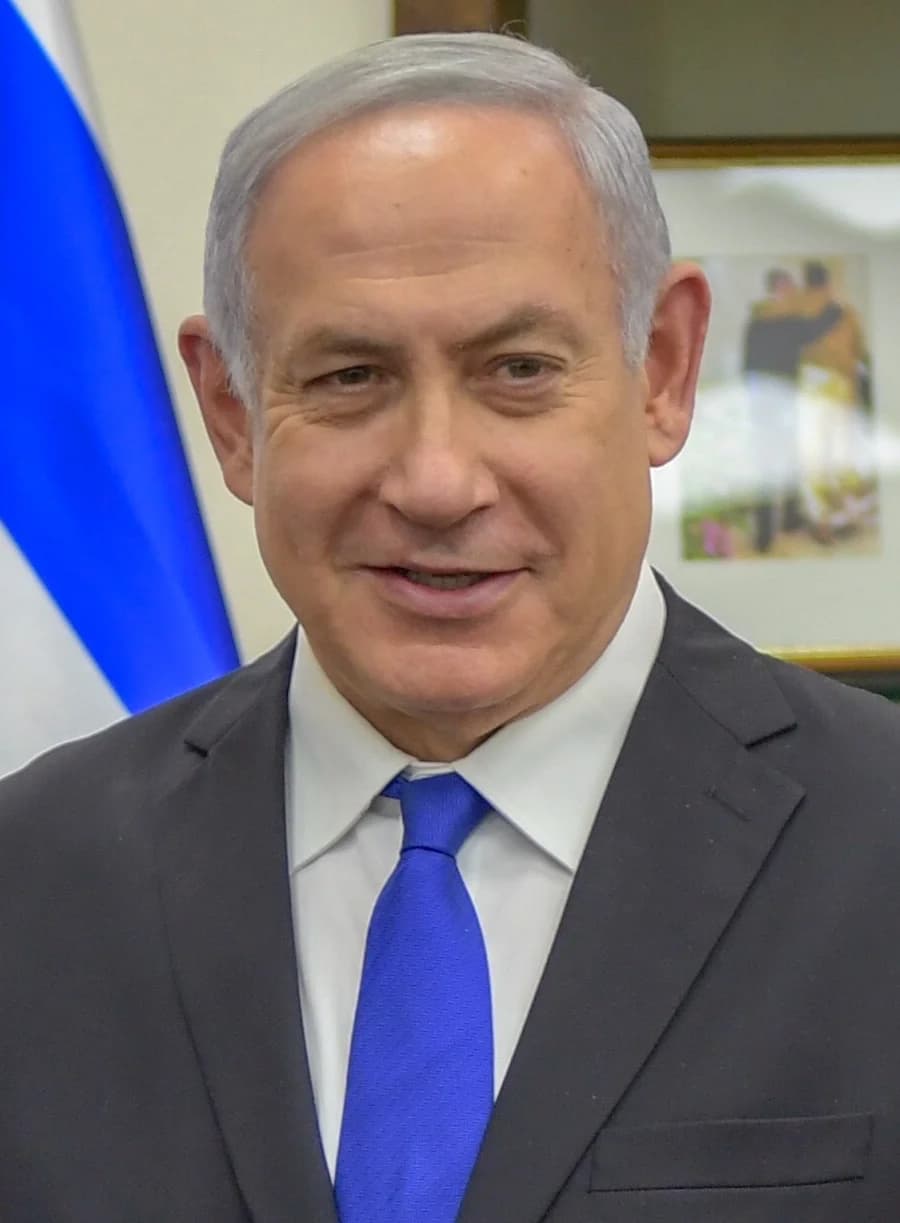
Tel Aviv: Israeli Prime Minister Benjamin Netanyahu and opposition Yashar party leader Gadi Eisenkot failed to break Israel's coalition deadlock on Sunday, November 29, with two hours of national unity talks ending without agreement or plans for further negotiations.
Rotational Offer Falls Short at Kirya Talks
The meeting, moved from Herzliya to the Kirya military headquarters in Tel Aviv, began with a security briefing before former strategic affairs minister Ron Dermer joined the political discussions. Following the talks, Likud and Yashar issued a joint statement calling the meeting "businesslike" and "substantive", while acknowledging substantial policy gaps remained.
Netanyahu had publicly signalled on Saturday that he would accept serving second in a rotational premiership arrangement if Eisenkot took the first turn. However, sources cited by The Jerusalem Post reported Netanyahu told Eisenkot during Sunday's session that any rotation would not start for several months and would proceed on a one-year-each basis. Likud sources afterwards accused Eisenkot of refusing unity, while Eisenkot reiterated commitment to his coalition partners.
Eisenkot Enters Final Week of Mandate Alongside Bennett Talks
Eisenkot, whose bloc secured a parliamentary majority after the October 27 election, received the presidential mandate to form a government on November 8 and enters his final allotted week, with an option to seek a 14-day extension. Parallel negotiations between Yashar and Naftali Bennett's B'Yachad party continued for over three hours on Sunday with reported progress, though ultra-Orthodox military conscription remains unresolved.
While Bennett favours bringing Likud into a unity coalition, fellow bloc partners Avigdor Liberman of Yisrael Beytenu and Yair Golan of the Democrats have already signed coalition pacts with Yashar and ruled out serving alongside Netanyahu. Asked about its preferred coalition path, Eisenkot's office said Yashar would stay aligned with a "Jewish majority".