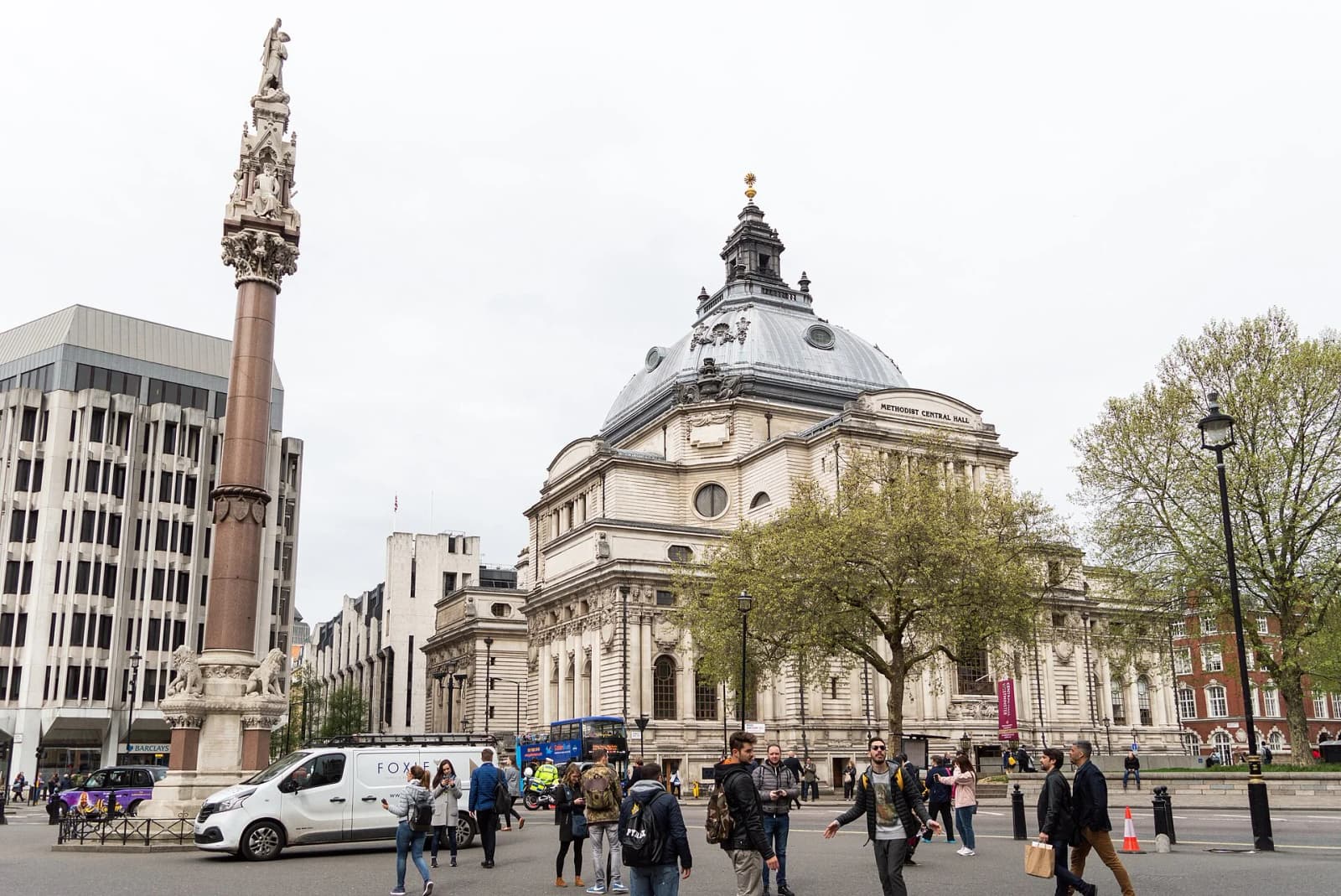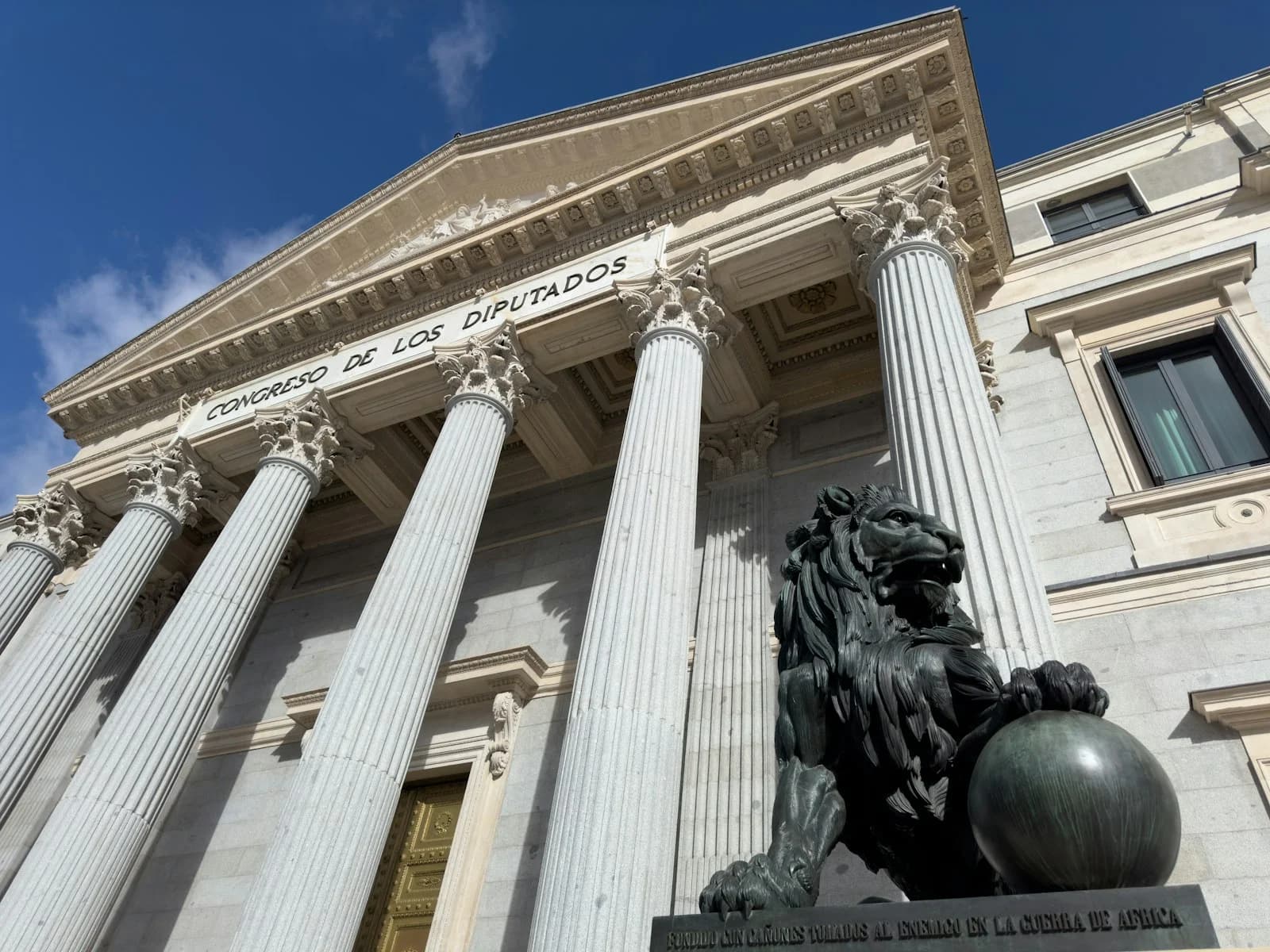
Spaniards voted on Sunday, 29 November 2026, in a snap general election that Prime Minister Pedro Sánchez called nine months before the end of the parliamentary term. As votes are counted, this explainer sets out how Spain turns ballots into seats, why a party can top the poll and still fail to govern, and what the timetable looks like from here. For the day's campaign background, read our report on Spain voting in the snap election as Sánchez's Socialists face the People's Party challenge.
What is Spain voting for?
Spain is electing both houses of its national parliament, the Cortes Generales: the 350-member Congress of Deputies and most of the Senate. The royal decree that dissolved parliament, Royal Decree 806/2026, published in the Official State Gazette (BOE) on 6 October 2026, dissolved the chambers elected on 23 July 2023 and fixed polling for Sunday, 29 November 2026.
The Congress matters most, because it alone chooses the prime minister. Under Spain's electoral law, each of the country's 50 provinces is a constituency that starts with two deputies, the cities of Ceuta and Melilla elect one each, and the remaining 248 seats are shared out by population. The 2026 decree lists the result: Madrid elects 38 deputies, Barcelona 32 and Valencia 16, while Soria elects only two.
How are votes turned into seats?
Seats in each province are allocated by a proportional formula written into Article 163 of the Organic Law on the General Electoral Regime of 1985. Parties that win less than 3 per cent of the valid votes in a province are excluded there. Each remaining party's vote total is divided by 1, 2, 3 and so on, and the seats go to the largest resulting figures, a method commonly called the D'Hondt system. Voters choose a party list, not an individual, and the seats go to candidates in the order the party has ranked them.
Because many provinces elect only a handful of deputies, the effective bar to winning a seat in small provinces is far higher than 3 per cent, which tends to favour large national parties and parties concentrated in particular regions.
The Senate works differently. Each province outside the island groups elects four senators, and voters there can tick up to three individual candidates; island constituencies and Ceuta and Melilla have their own smaller quotas, and regional parliaments appoint further senators on top of those elected directly.
Why is it in the news?
The vote is in the news because it is an early election triggered by a defeat over housing. Sánchez announced the election on 5 October 2026 after parliament rejected housing relief decrees put forward by his minority government, Al Jazeera reported. The broadcaster quoted him as saying, "We need to renew people's support", and reported that he admitted mistakes and unmet campaign promises. It also reported that average rents have nearly doubled over the past decade, according to the property portal Idealista.
Spain's Constitution allows this: Article 115 lets the prime minister, after deliberation in the Council of Ministers, propose dissolving parliament, which the King then decrees, with the decree setting the polling date. The official campaign ran for 15 days, from 13 to 27 November, as the decree specified.
Pre-election polling cited by Al Jazeera suggested that a coalition led by the conservative People's Party (PP) with support from the far-right Vox party was the most likely outcome, which would mark the first time since the death of Francisco Franco that a far-right party entered Spain's central government.
How does it affect you?
For people living in Spain, the result decides who controls national policy on housing, the issue that triggered the vote, and how long the country spends with a caretaker government. Article 101 of the Spanish Constitution says the government ceases after a general election but continues in office in a caretaker role until a new government takes over.
For anyone following the count from abroad, the key number is 176, an absolute majority of the 350-seat Congress. A party or bloc that falls short of it will need support or abstentions from other parties to install a prime minister.
What is confirmed so far, and what is not?
Confirmed: the date, the 350 seats at stake and the rules above. Polls on the mainland closed at 8 pm local time and the official provisional count began at 9 pm, and turnout at 6 pm was around 15 percentage points higher than at the same point in July 2023, according to participation figures reported by France 24 and Spanish media. Not yet confirmed at the time of writing: the result. Surveys released as polls closed gave differing seat projections, with RTVE's Sigma Dos survey putting the PP ahead and another survey putting the PSOE ahead; these are estimates, not results. The official provisional count comes from Spain's Interior Ministry.
What happens next?
The newly elected chambers will meet for their opening sessions on 23 December 2026 at 10 am, as fixed by the dissolution decree. After that, Article 99 of the Constitution sets the path to a new government:
- The King consults the parties represented in Congress and, through the Speaker of Congress, proposes a candidate for prime minister.
- The candidate presents a programme and asks Congress for its confidence. An absolute majority (176 votes) is needed in the first vote.
- If that fails, a second vote is held 48 hours later, when a simple majority, more yes votes than no votes, is enough.
- If no candidate wins within two months of the first investiture vote, the King dissolves both chambers and a fresh election is called.
That last rule means the coalition arithmetic of the coming weeks matters as much as the headline result. Until a prime minister is sworn in, the outgoing government remains in office in a caretaker capacity.