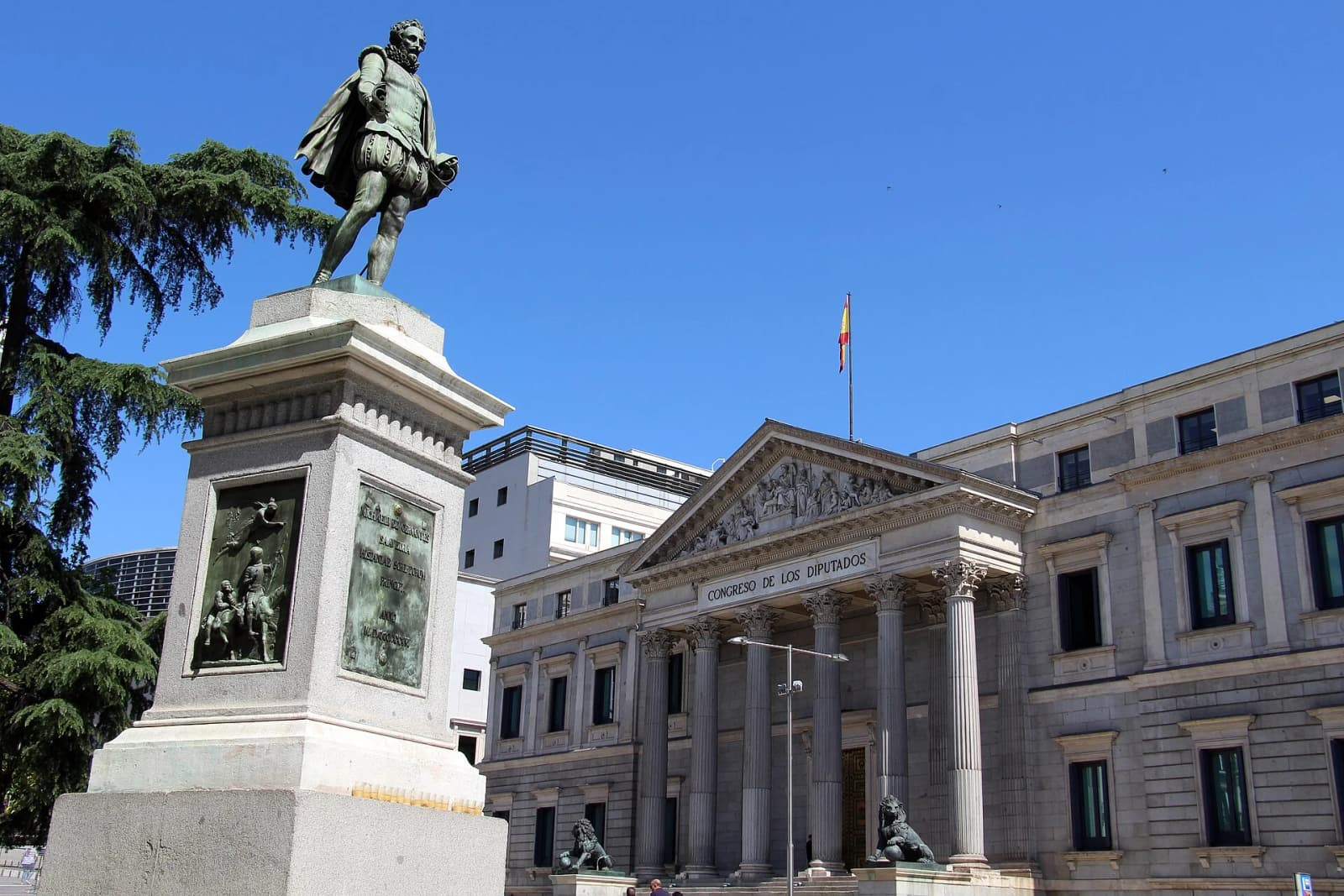
Spain voted in a snap general election on 29 November 2026, with Prime Minister Pedro Sánchez's Spanish Socialist Workers' Party (PSOE) trying to hold on to power against a challenge from Alberto Núñez Feijóo's conservative People's Party (PP), while the far-right Vox, led by Santiago Abascal, hopes to make gains. More than 38.6 million people are eligible to vote for all 350 seats in the Congress of Deputies in Madrid and 209 seats in the Senate.
Why is Spain holding an early election?
Sánchez called the vote after parliament rejected his government's housing relief plan, with the Catalan party Junts joining the PP and Vox to defeat it. The decree dissolving the Cortes Generales was published in early October, and the vote comes several months before the legislature's term would have run out. The previous general election was held on 23 July 2023, when the PP won the most seats but could not form a government.
When will results be known?
Results are expected late on Sunday night in Spain, which is early Monday in India. Polling stations opened at 9 am and close at 8 pm local time, or 12:30 am on 30 November in Indian Standard Time, according to All India Radio's News On AIR. Al Jazeera reported that provisional figures from the Interior Ministry begin arriving right away and that the overall picture usually emerges before midnight; in 2023, about 99 percent of votes had been counted by 11:45 pm.
A party or coalition needs 176 seats for a majority in the Congress. Polls cited by Al Jazeera before the vote suggested the PP would win the most seats but would likely need Vox's support to reach that mark. That would bring the far right into a national government for the first time since the end of Francisco Franco's dictatorship.
How has polling day gone so far?
Spanish newspaper El Español reported that all 22,493 polling stations had been set up by late morning and that sources described the day as largely normal. It listed several local hitches: a polling station in Barbate, in Cádiz province, had its closing time pushed to 8:30 pm after a late opening caused by missing ballot papers, and some stations reported problems with the digital national ID card, which police were working to resolve. The PP also filed an urgent complaint with the Central Electoral Board over what it described as a police instruction concerning votes from five polling stations in Toledo.
All four main candidates had voted by early afternoon. After casting his ballot in Madrid, Feijóo urged people not to vote out of fear but with memory, the newspaper reported, while Abascal asked supporters to go to the polls without fear or pessimism. Ada Colau leads the left-wing Broad Front alliance formed by most of the parties that made up Sumar.
What issues dominated the campaign?
Housing was the central theme. Al Jazeera, citing the Bank of Spain, reported a shortfall of about 750,000 homes and average rents of 1,176 euros a month. Immigration, corruption investigations touching people close to Sánchez, long healthcare waiting lists and the cost of living also featured heavily. Spain's economy has grown faster than the eurozone average, but voters have complained about high prices and housing costs.
What happens next?
Both chambers of the new parliament are scheduled to meet on 23 December. If no bloc wins an outright majority, weeks of negotiations with smaller regional parties are likely before a prime minister can win a confidence vote in the Congress. The final turnout figure will only be known after polls close and postal votes from Spaniards abroad are added.
Photo source · Fred Romero, CC BY 2.0