Iraqi Prime Minister Ali al-Zaidi on 24 November 2026 ordered the federal Ministry of Oil in Baghdad to take over the management of oilfields in areas under Kurdish security control in Kirkuk, Nineveh, Diyala and Salahuddin provinces, and told federal authorities to take charge of all border crossings in the semi-autonomous Kurdistan Region. The orders, announced by his office and reported by Iraq's state news agency, follow an investigation into oil smuggling at the state-owned North Oil Company, Reuters reported.
What exactly has Baghdad ordered?
Baghdad has ordered federal control of oilfields, border crossings and fuel exports linked to the Kurdistan Region. According to Kurdish broadcaster Rudaw, which quoted government spokesperson Sabah al-Numan, the measures include:
- Federal agencies operating and guarding ministry-owned oilfields in the four provinces that are under Kurdish security control, with Baghdad deciding which fields qualify.
- The federal Border Ports Authority taking over all crossings in the Kurdistan Region, and the Border Forces Command closing unofficial crossings on Iraq's international borders.
- An instruction to the Kurdistan Regional Government (KRG) "not to grant approvals for the export of crude oil and petroleum products except through the federal Oil Ministry".
- Camera monitoring of oilfields by the Energy Police, electronic meters on every operating well and a digital system to detect pipeline theft.
- Checkpoints with laboratories near Sulaimani, Erbil and Duhok to test petroleum products, and the closure of seasonal roads between the four provinces and the Kurdistan Region.
Al-Zaidi also removed the head of the border crossings authority and suspended the North Oil Company's director general and his deputies pending investigation. Rudaw reported that Kirkuk's police and operations commanders were dismissed and that the case has been referred to the judiciary, with the Federal Commission of Integrity asked to assess how much petroleum product left through the Region's crossings.
Background: a long-running oil dispute
Baghdad and Erbil have argued for years over who controls oil in northern Iraq. A dispute over Kurdish authorities selling oil without federal approval halted pipeline exports to Türkiye for more than two years until the two sides agreed in September 2025 to restart them, according to Reuters. Iraq still has no federal oil and gas law, and in 2022 the Federal Supreme Court struck down the KRG's oil law, a ruling Erbil rejected, Rudaw reported.
On Monday, Oil Minister Basim Mohammed Khudair said, "The Oil Ministry believes these fields should be managed federally." A Federal Board of Supreme Audit document circulated the same day estimated damages from the KRG's use of North Oil Company fields at nearly $123 billion for 2004 to March 2023; its acting head confirmed the document's authenticity to Rudaw.
How have the Kurds responded?
There was no formal KRG response to Tuesday's orders in initial reports. A senior Kurdish source told Rudaw on Sunday that Kurdish leaders had rejected Baghdad's proposals for broader federal control of the oil sector, and Al Jazeera correspondent Mahmoud Abdelwahed, reporting from Baghdad, said the federal plan "has been totally rejected by the Kurdish region". The KRG's natural resources ministry has said Baghdad already oversees Kurdish crude exports through Türkiye and that the revenue goes to the federal treasury.
Why it matters
The move could deepen tensions between Baghdad and the Kurdistan Region, Reuters noted, at a time when the sharing of oil revenue and the federal budget remains a central fault line in Iraqi politics. Government spokesperson Haider al-Aboudi said federal troops could enter parts of the Kurdistan Region as part of the campaign, according to Rudaw.
What is confirmed and what is not
- Confirmed: the prime minister's orders on oilfields, crossings and exports, and the suspensions and removals of officials.
- Not yet confirmed: which specific oilfields are covered, how much oil was smuggled (the oil minister said this has not been established), and how the KRG will formally respond.
What next
Under the orders, the industry ministry has six months to relocate oxidised asphalt and naphtha plants operating outside federal security control in the four provinces. Investigators will also review North Oil Company sales contracts and payments to pipeline guards, Rudaw reported.
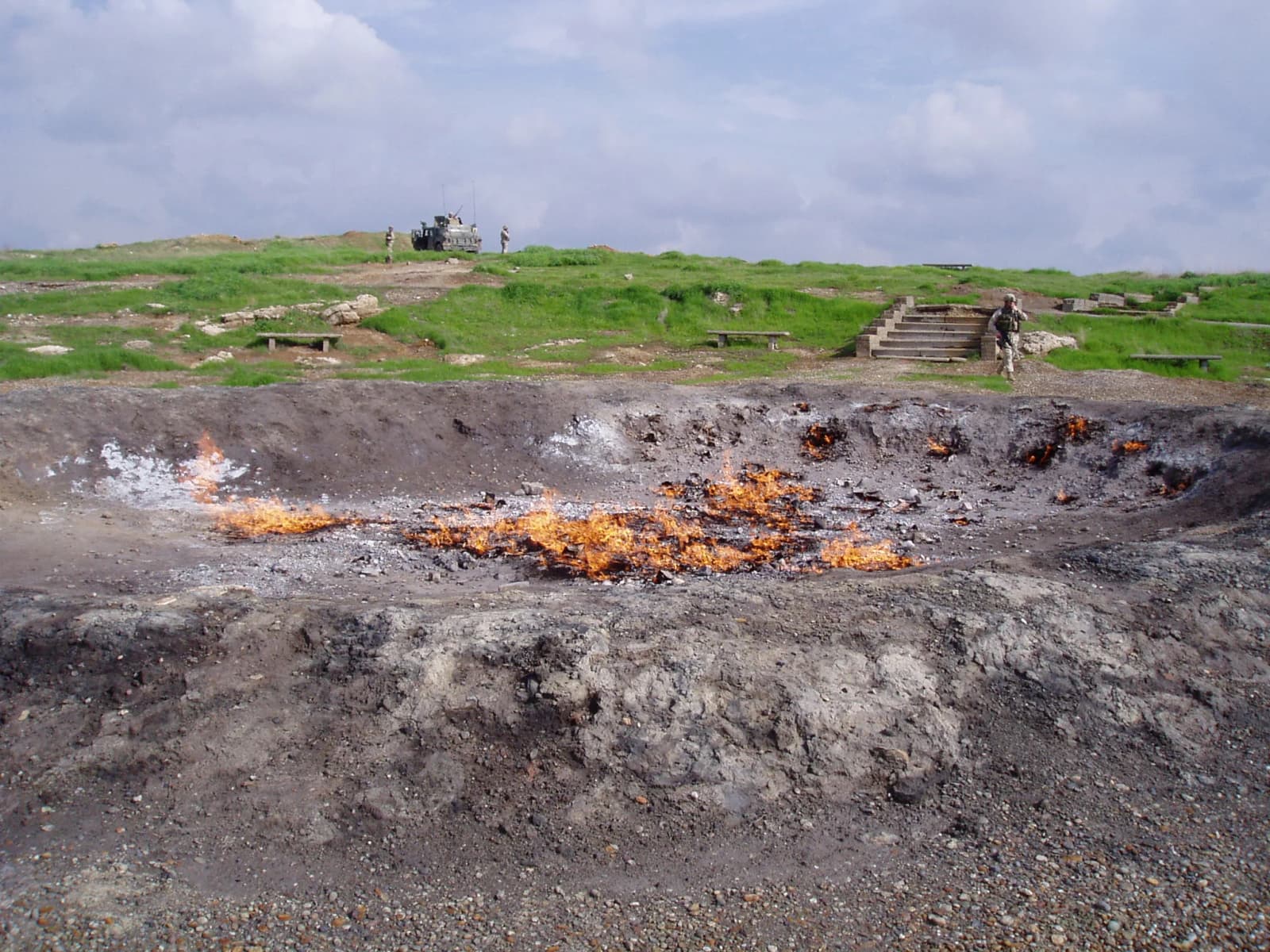
Photo source · Chad.r.hill, public domain