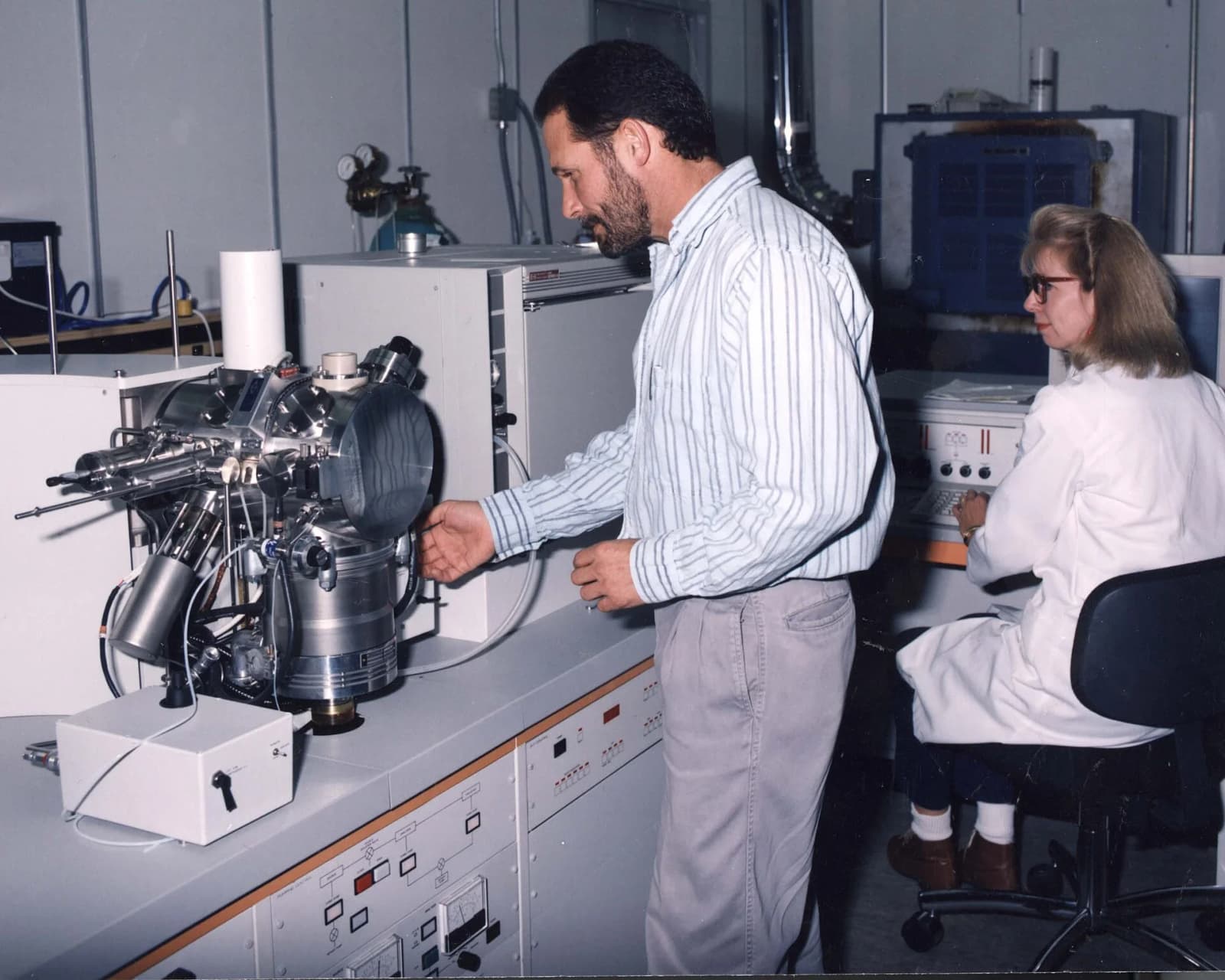
The Institute of Pesticide Formulation Technology (IPFT) in Gurugram, Haryana, has been accredited by the National Accreditation Board for Testing and Calibration Laboratories (NABL) for testing biostimulants. The accreditation is under the international laboratory standard ISO/IEC 17025:2017, the Department of Chemicals and Petrochemicals said on 19 November 2026.
According to the ministry's release, the certificate number is NABLT1026HR19813 (replacing TC-14306) and it is valid until 15 August 2030. It covers IPFT's biostimulant testing and analytical facilities for the activities within its approved scope.
Why does IPFT need this accreditation?
IPFT is one of the laboratories that analyse biostimulant samples collected by government inspectors, and the accreditation formally recognises its competence to do so. The government named it for this role in Gazette Notification No. 4242 of 25 September 2025, issued under the Fertilizer (Inorganic, Organic or Mixed) (Control) Order, 1985. Under Clause 29(1C) of the Order, IPFT tests these samples using the procedure set out in Part C of Schedule VI.
The ministry said that after this statutory designation, IPFT upgraded its laboratory infrastructure, test methods, quality management systems and technical skills to meet ISO/IEC 17025:2017 and the requirements of the Fertiliser Control Order. That work led to the NABL accreditation.
What is ISO/IEC 17025?
ISO/IEC 17025:2017 is the international standard for testing and calibration laboratories. The ministry said accreditation under it recognises the institute's technical competence and its quality management systems. In practice, it means test results from the lab's accredited scope can be relied on as coming from an independently assessed facility.
Why it matters
Biostimulants are farm inputs regulated under the Fertiliser Control Order. When inspectors pick up samples from the market, those samples have to be tested before any regulatory action can follow. The ministry said the accreditation should make biostimulant testing more reliable and credible, and support quality checks, regulatory compliance and the working of India's regulatory framework for biostimulants.
The ministry also said the accreditation strengthens IPFT's ability to provide sound analytical services to government agencies, regulators, industry and others in agriculture. For farmers, more reliable testing of products sold to them is part of how the system is meant to catch substandard inputs, though the release does not give any figures on samples tested or failed.
About IPFT
IPFT is an autonomous institute under the Department of Chemicals and Petrochemicals in the Ministry of Chemicals and Fertilizers. It was set up in 1991 and works on research and development in pesticide formulation science and technology, chemical analysis, biological evaluation and pilot-scale demonstration. It supports the agrochemical sector through research, analytical testing, regulatory studies and technology development.
The ministry credited the institute's scientists, technical staff and quality management team for the result. It described the path from designation in the government gazette to accreditation under an internationally recognised laboratory standard as an important step in IPFT's work.
It is one of several government science announcements this week aimed at industry. On the same day, CSIR handed over parali-based bio-bitumen and other technologies to industry.
What next?
The accreditation runs until 15 August 2030. Until then, IPFT will carry out biostimulant tests within its accredited scope under the Fertiliser Control Order. The release does not say how many samples the lab expects to handle.