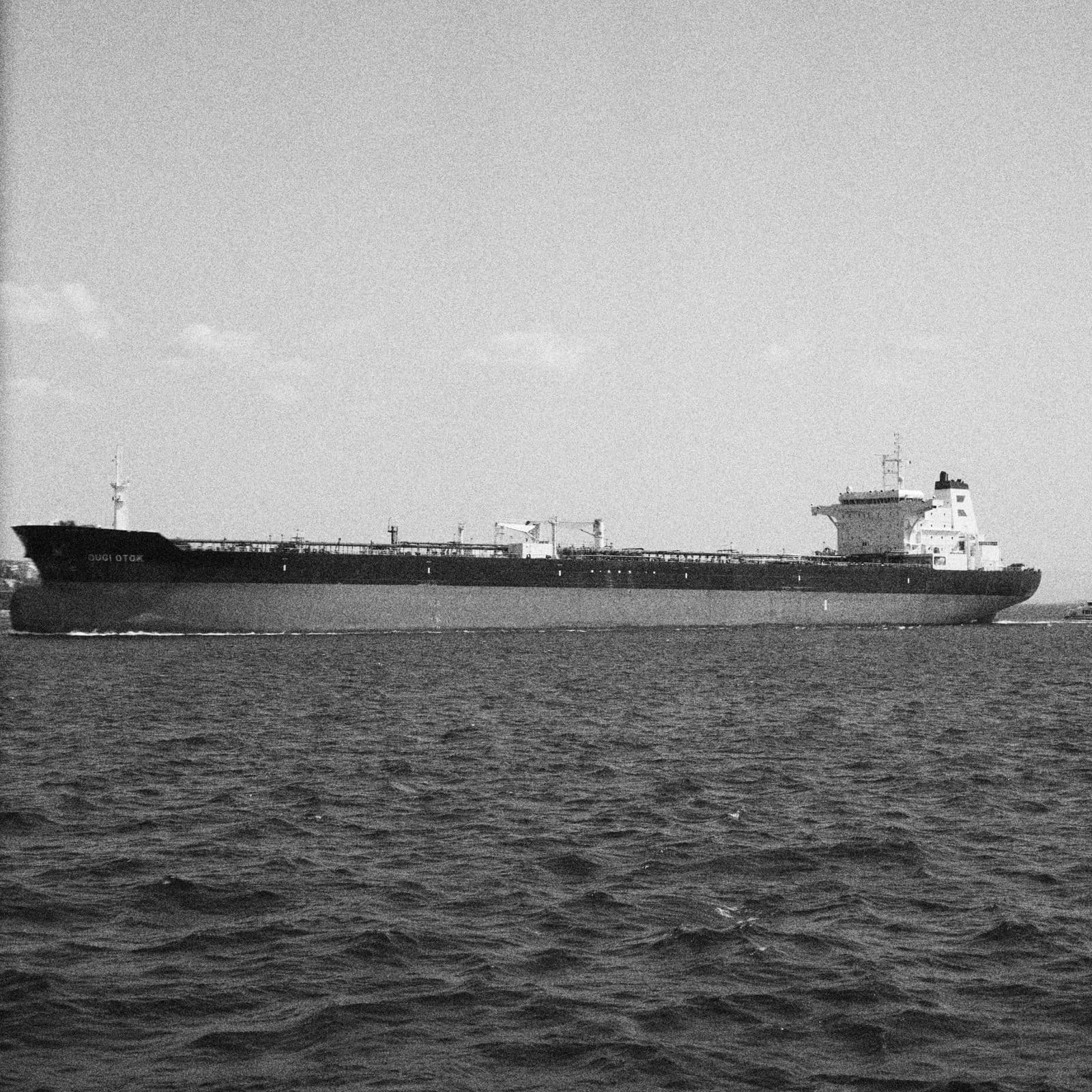
India's net import bill for oil and gas rose to $16.0 billion in October 2026, up from $10.0 billion in October 2025, as international crude prices stayed far above last year's levels, according to the monthly data snapshot published on 19 November 2026 by the Petroleum Planning and Analysis Cell (PPAC), the data arm of the Union Ministry of Petroleum and Natural Gas in New Delhi. Crude oil imports in October alone cost $19.5 billion, against $10.4 billion a year earlier.
The figures, in PPAC's Snapshot of India's Oil and Gas data for November 2026, are provisional and may change when final numbers arrive, the agency notes on every page.
How much more is India paying for oil?
India is paying sharply more per barrel even though it is buying only modestly more oil. The average price of Brent crude was $124.77 a barrel in October 2026, compared with $116.77 in September 2026 and $64.75 in October 2025, PPAC said. The Indian basket of crude, which tracks the grades Indian refiners buy, averaged $119.91 a barrel in October, against $65.08 a year earlier.
In volume terms, crude imports grew 11.0% in October to 23.3 million metric tonnes (MMT), from 21.0 MMT. For April–October 2026, imports rose 2.7% to 146.6 MMT from 142.8 MMT. Over the same seven months, the crude import bill climbed to $111.0 billion from $72.3 billion, and the net oil and gas import bill reached $97.7 billion, against $70.3 billion in April–October 2025. In rupee terms, PPAC put the crude import bill for April–October at ₹10,48,824 crore.
Petroleum imports made up 23.5% of India's gross merchandise imports by value in October 2026, compared with 15.8% in October 2025, the snapshot shows.
Where is India buying its crude from?
The share of the Organization of the Petroleum Exporting Countries (OPEC) in India's crude imports fell to 27.4% in April–October 2026 from 38.5% a year earlier, The Hindu reported on 19 November, citing provisional PPAC data. According to that report, the Eurasian region supplied 43.8% of India's crude imports in the period and the Middle East 36%, followed by South America at 10.6%, Africa at 6.6% and North America at 3%. The newspaper linked the shift to shipping disruptions and uncertainty from the continuing conflict in West Asia. PPAC's published snapshot does not name individual supplier countries.
The conflict has dominated energy news this week; MapMyTimes reported on the International Energy Agency's view of the Iran war oil shock and India's demand outlook.
What happened to fuel products and demand?
Imports of refined petroleum products fell 41.2% in October and 49.3% in April–October compared with a year earlier, which PPAC attributed mainly to lower imports of liquefied petroleum gas (LPG), petroleum coke and fuel oil. Product exports rose 4.7% in October but fell in volume over the seven months to 32.1 MMT from 37.1 MMT. Their value, however, rose to $34.1 billion from $23.2 billion.
Domestic consumption of petroleum products was 134.2 MMT in April–October, 3.2% lower than the 138.7 MMT recorded a year earlier. Diesel consumption grew 6.0% and petrol 6.6% in that period, while LPG, naphtha, bitumen and petroleum coke declined. In October alone, consumption rose 2.7% to 20.5 MMT.
Refineries processed 24.1 MMT of crude in October, up 7.1% from a year earlier, of which 22.0 MMT was imported crude. Domestic crude and condensate output was 2.3 MMT in the month.
Why it matters
A larger oil bill means India must spend more foreign exchange for each tonne of fuel it brings in. India depended on imports for 88.1% of its crude oil consumption in 2026-27 so far, PPAC data show, so global price swings pass quickly into the trade account. Oil also matters for the rupee outlook: Chief Economic Adviser V. Anantha Nageswaran said this week that cheaper oil could strengthen the rupee in 2027-28; the October data show prices have not yet moved that way.
PPAC also reported that ethanol blending in petrol stood at 20% in October 2026.
What next?
PPAC updates its trade figures monthly on its import-export data page, and the November 2026 numbers are due in its next snapshot. The agency's figures for September and October rely partly on prorated estimates for private imports, so revisions are possible.