Senior leaders of the opposition INDIA bloc, led by Congress president Mallikarjun Kharge and including Sonia Gandhi and Leader of the Opposition in the Lok Sabha Rahul Gandhi, met Dravida Munnetra Kazhagam (DMK) president M.K. Stalin at his residence in Chennai, Tamil Nadu, on 29 November 2026, in a last-minute bid to persuade his party to vote against the Centre's delimitation bills. Stalin told them the DMK's position would not change.
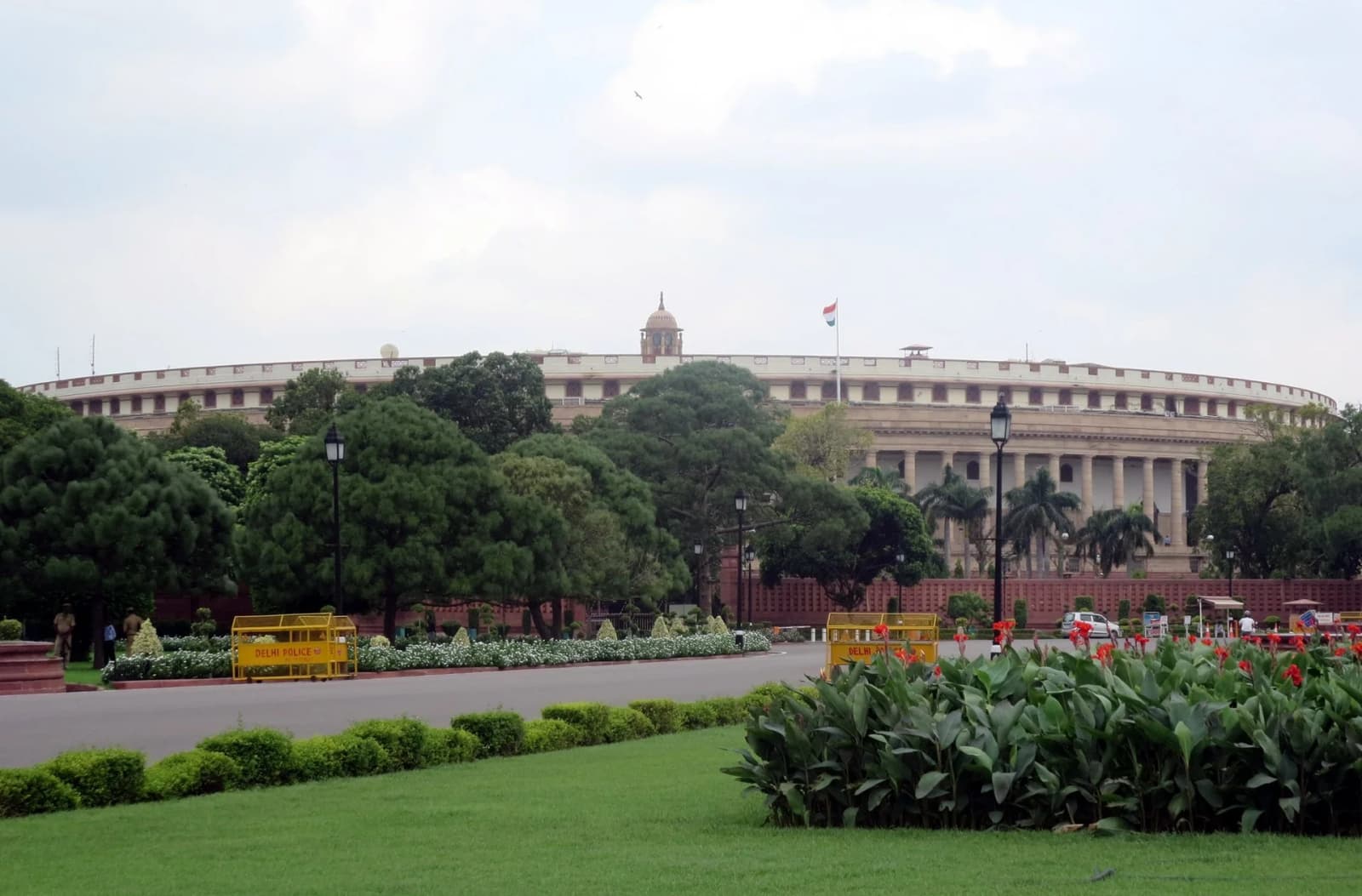
The meeting came hours before a special sitting of the Lok Sabha that begins on 30 November, where the government plans to introduce the Constitution (132nd Amendment) Bill, 2026, the Delimitation (Second) Bill, 2026 and the Union Territories Laws (Amendment) Second Bill, 2026, according to All India Radio's News On AIR.
What did Stalin tell the opposition leaders?
He told them the DMK would stay with its decision to back the revised bill. According to The Tribune, Stalin said: "Yesterday, today, and forever, our stand is the same: Tamil Nadu First, that's all." He said a resolution passed at a meeting of DMK MPs on Saturday had been explained to the visiting leaders, and that the party's original demands had been included in the new bill.
Stalin argued that defeating the bill would leave Tamil Nadu without even minimal safeguards when a Delimitation Commission is set up, which he said was due in January 2027. "There is no room to take risks or make emotional decisions," he was quoted as saying. He added that the visiting leaders had offered no alternative plan.
Business Today reported that the DMK has 22 Lok Sabha MPs, supports a 50% increase in seats and insists that Tamil Nadu's present 7.18% share of representation must not fall. The same report said the delegation also planned to travel to Mumbai to meet Nationalist Congress Party (Sharadchandra Pawar) chief Sharad Pawar, whose party has eight Lok Sabha MPs and has indicated support for the revised proposals. The outcome of that meeting had not been reported at the time of writing.
What do the bills propose?
According to Al Jazeera, the Union Cabinet approved the Constitution (132nd Amendment) Bill on 27 November. It would raise the strength of the Lok Sabha from 543 to about 850, with a ceiling of 815 seats for states and 35 for Union Territories, and freeze seat numbers until 2051. The Delimitation (Second) Bill would create a commission to redraw constituencies using 2011 Census data.
The package is also meant to put into effect the 2023 law reserving one-third of seats in Parliament and state assemblies for women. News On AIR said the government aims to apply 33% reservation for women in the 2029 Lok Sabha election. An earlier attempt, the Constitution (131st Amendment) Bill, failed to win the required two-thirds majority in April 2026, Al Jazeera reported.
Does the government have the numbers?
That remains unclear. Government sources cited by News On AIR claimed the backing of more than 370 MPs, against a two-thirds threshold of at least 360. Business Today, however, estimated that support from the DMK, the YSR Congress Party and the NCP (SP) would take the National Democratic Alliance's effective strength to about 354, roughly six short if all 540 sitting members vote.
How have both sides framed the vote?
Rahul Gandhi said on X that expanding the Lok Sabha to 850 seats would "finish democracy in India", according to Business Today. On Saturday, Kharge questioned whether a commission headed by Chief Election Commissioner Gyanesh Kumar would be impartial, Al Jazeera reported.
Prime Minister Narendra Modi, in a statement released by the Prime Minister's Office on 29 November, called the Nari Shakti Vandan amendment the need of the hour. He said that when some parties put their own interests above the national interest, both women and the country pay the price.
What happens next?
The bills are due to be introduced when the Lok Sabha meets on 30 November. As a constitutional amendment, the 132nd Amendment Bill needs a two-thirds majority of members present and voting.
Read more: Centre to introduce 132nd Amendment and Delimitation Bills in special Parliament sitting and Opinion: The 132nd Amendment and Delimitation Bills deserve urgency and scrutiny.
Photo source · Nikhilb239, CC BY-SA 4.0