The India Meteorological Department (IMD) has warned that very dense fog is likely during the morning hours in isolated pockets of north Punjab until 2 December, after visibility at Amritsar fell to zero metres on the morning of 29 November 2026. Dense fog is also expected across parts of Haryana, Chandigarh, Delhi, Uttar Pradesh, Himachal Pradesh, Odisha and the Northeast over the next few days.
The warning is part of the national weather press release issued by the IMD at 12:55 IST on 29 November. According to All India Radio's News On AIR, the department has placed Punjab under an orange colour warning for very dense fog on 30 November.
Which areas are covered by the fog warning?
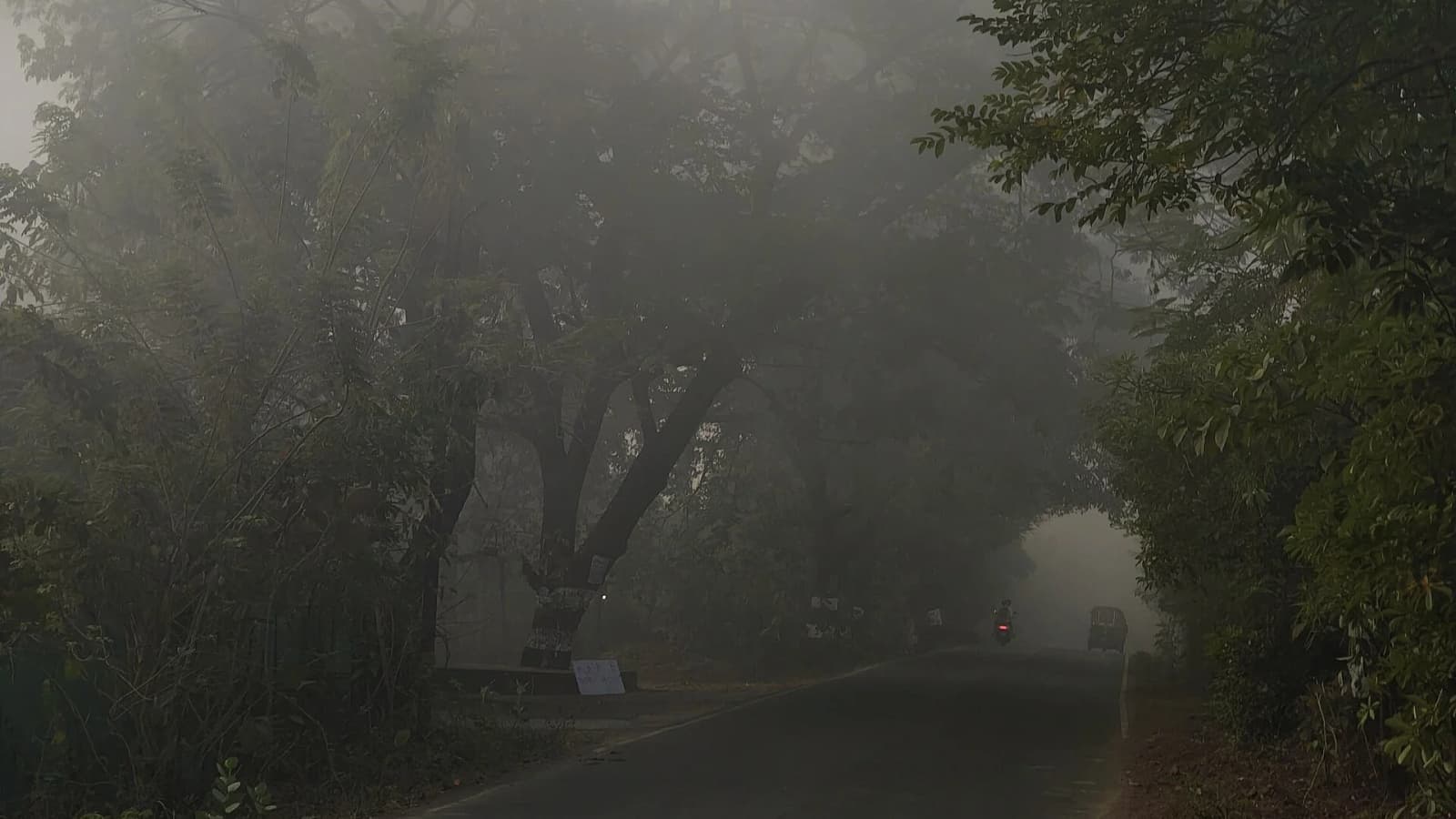
The IMD forecast says very dense fog, which means visibility below 50 metres, is very likely in isolated pockets of north Punjab until 2 December. Dense fog, with visibility between 50 and 199 metres, is likely in isolated pockets of East and West Uttar Pradesh, Odisha, and Nagaland, Manipur, Mizoram and Tripura until 1 December; Haryana, Chandigarh and Delhi until 2 December; and Himachal Pradesh until 3 December.
In the 24 hours ending 8:30 am on 29 November, the IMD recorded very dense fog in isolated pockets of Punjab and dense fog in parts of Uttar Pradesh, Odisha, Manipur and Meghalaya. Besides Amritsar's zero visibility, it reported 50 metres at Azamgarh and Rourkela, 100 metres at Etawah and Imphal, and 150 metres at Barapani in Meghalaya.
How could the fog affect travel and health?
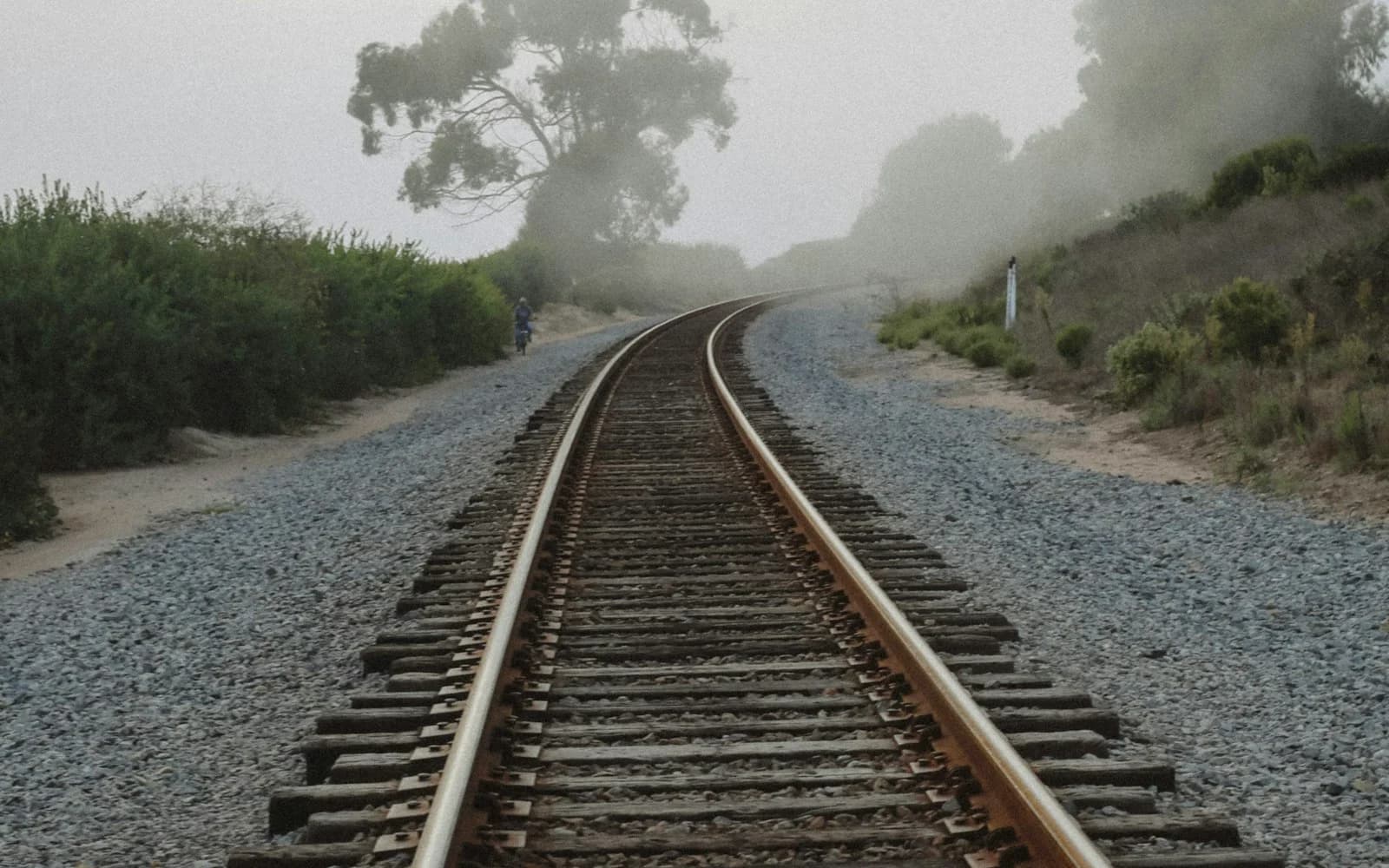
The IMD said the fog may affect some airports, highways and railway routes, cause difficult driving conditions and slower journeys, and lead to road collisions if precautions are not taken. It also warned of possible tripping of power lines along routes with very dense fog.
On health, the department said dense fog carries particulate matter and other pollutants that can lodge in the lungs, increasing wheezing, coughing and shortness of breath, and may worsen problems for people with asthma or bronchitis. It also flagged eye irritation. Its advice is to drive carefully with fog lights on, check schedules with airlines, railways and state transport before travelling, and cover the face when going out.
What is the forecast for Delhi?
For 30 November, the IMD expects a mainly clear sky over Delhi, with mist or shallow fog at many places and moderate fog at a few places in the morning. Maximum temperatures are forecast at 24 to 26°C and minimum temperatures at 9 to 11°C, both near normal. On 29 November, the lowest visibility at Safdarjung was 450 metres at 6:30 am.
Is rain on the way?
Yes, for parts of the north and south next week. The IMD said a fresh western disturbance lay over north Pakistan and adjoining Jammu, and another is likely to affect the western Himalayan region from the night of 2 December. It forecast fairly widespread to widespread rain over Jammu, Kashmir and Ladakh on 4 and 5 December, isolated to scattered rain over Himachal Pradesh and Uttarakhand from 3 to 5 December, over Punjab on 4 and 5 December, and over Haryana, Chandigarh and Delhi on 5 December.
In the south, isolated heavy rainfall is likely over Tamil Nadu, Puducherry, and Kerala and Mahe on 4 and 5 December, and over the Nicobar Islands on 30 November and 1 December. Fishermen have been warned about the Andaman Sea from 30 November to 2 December. The IMD expects no significant weather over west and central India during the week.
The department's Regional Specialised Meteorological Centre in New Delhi, in its tropical weather outlook issued on 29 November, put the probability of a depression forming over the Bay of Bengal or the Arabian Sea at nil for the next seven days.
What happens next?
The IMD has scheduled a virtual press conference at 3:30 pm on 30 November to release its winter outlook for 2026–27 and its forecast for December. District-level warnings are updated on the department's website.
Read more: Railway Board chief reviews fog season preparedness.
Photo source · Titantanny, CC BY-SA 4.0