Two films from India's Northeast, an Assamese documentary about Karbi handloom weaving and a Nishi-language feature about a grieving father in Arunachal Pradesh, were presented at a press conference at the 57th International Film Festival of India (IFFI) in Goa on 22 November 2026. Directors Aimee Baruah and Duyu Tabyo spoke about using cinema to keep indigenous crafts, languages and memories alive, according to a release issued by the Press Information Bureau (PIB).
Baruah's Red Carpet is in the Indian Panorama Non-Feature section. Tabyo's Urum is in the Indian Panorama Feature Film category. Smita Saikia moderated the press conference.
What is 'Red Carpet' about?
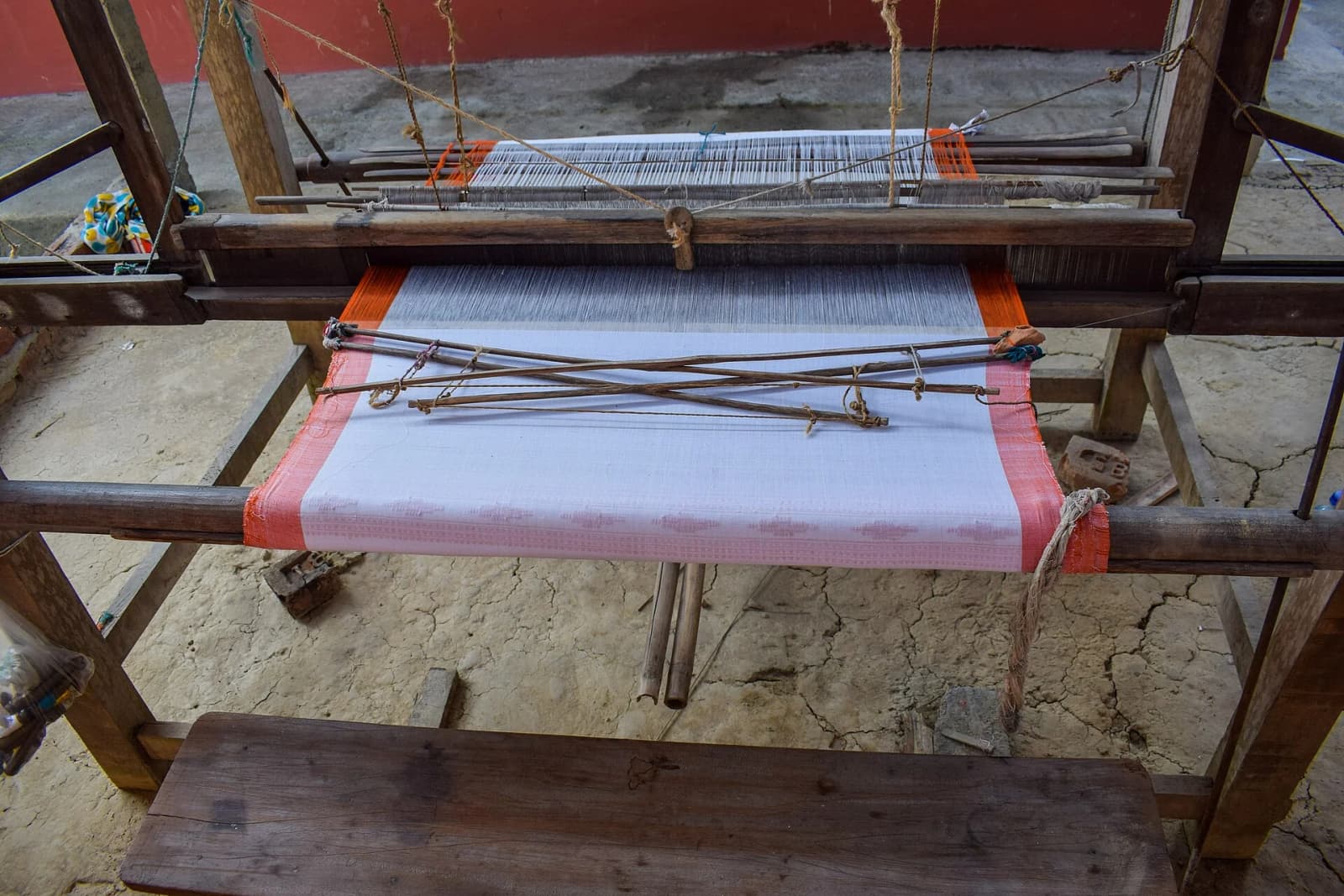
Red Carpet is a documentary about the traditional handloom weaving of the Karbi community in Karbi Anglong, Assam. The PIB release says the craft, which goes back centuries, is under pressure from modernisation and changing ways of life.
The film follows a traditional weaver from the village of Donkamokam. A handmade fabric from that village ended up on the red carpet at Cannes, and the film shows how it became a symbol of cultural identity, pride and hope for the community.
The PIB release describes Baruah as an award-winning actress, producer and filmmaker who is also working on a PhD. In Goa she praised the skill of local weavers and said international attention to the attire had brought more visibility to the region's indigenous heritage. She also urged young people to take pride in their language, culture and traditions and to carry that heritage forward.
What story does 'Urum' tell?
Urum is about a father in a remote mountain community in Arunachal Pradesh who is struggling to accept the death of his young daughter. Haunted by guilt and visions, he searches for closure amid buried truths, trauma and the unseen forces that shape his people's lives. The film draws on grief, memory and indigenous beliefs.
Tabyo is an independent writer-director and cultural practitioner from Arunachal Pradesh. He said the idea came from something he saw as a child in Ziro: a father struggling after losing his daughter. The memory stayed with him for years and became the basis of the film. He said he wanted to explore the father's mental and emotional state rather than deliver a moral message.
Why does the Nishi language matter here?
Tabyo said making Urum in the Nishi language was a deliberate choice, meant to keep the film authentic and to give the language more visibility. He said younger generations are increasingly losing touch with their indigenous languages, and he described the film as an attempt to preserve the Nishi community's linguistic heritage.
He called the film's selection at IFFI an important recognition for Arunachal Pradesh's emerging film industry. He said he hoped it would encourage more young filmmakers from the state to tell their own stories.
A growing space for Northeast cinema
Tabyo described the Northeast as a largely unexplored landscape for cinema with much to offer the world. He said mainstream filmmakers and production houses were showing growing interest in the region. He also said cinema can drive social awareness and change, not just entertain, and that recording indigenous stories, languages and ways of life can help younger people reconnect with their roots.
The two films add to a run of regional voices at this year's festival. The day after this press conference, Assamese director Antara GG Choudhury said Assamese cinema is seeing a strong revival. Also at the festival, the Tamil film 'Koodu' brought a story of a village that saved a sparrow's nest to Goa.
What happens next?
The 57th IFFI runs in Goa until 28 November 2026 under the theme "Stories Without Borders". The PIB release did not give further screening times for either film.
Photo source · NabaJyoti, CC BY-SA 4.0