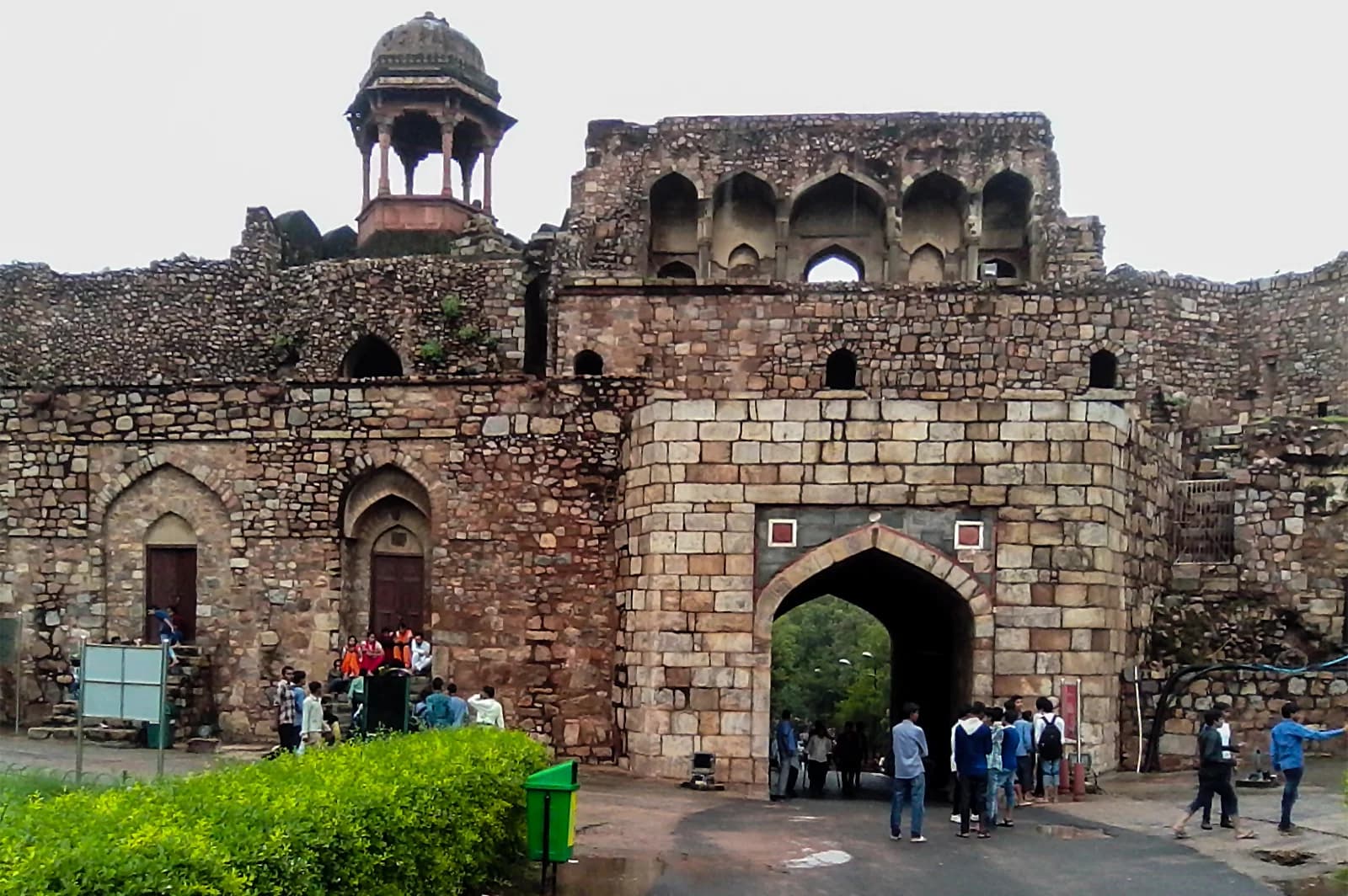
Scholars and delegates from Shanghai Cooperation Organisation (SCO) countries met at Purana Qila (Old Fort) in New Delhi on 22 November 2026 to discuss how manuscripts, scripts and translated texts carried knowledge across Asia, and how to preserve and digitise them together. The Union Ministry of Culture held the session under its Gyan Bharatam Mission as part of the first SCO Civilization Dialogue Forum, and set out the details in a release issued by the Press Information Bureau on 23 November.
What was the session about?
The session looked at India's manuscript heritage and its links with the wider region. Titled "Language, Literature, Script and Manuscript Traditions", it was the fourth session of the forum, which ran from 20 to 22 November 2026 and, according to the ministry, was inaugurated by Prime Minister Narendra Modi.
The ministry said discussion was organised around four themes: India's languages and scripts and their imprint on Asian languages; how Indian texts were transmitted, translated and localised across Asia; the global spread of India's manuscripts; and the role of Gyan Bharatam in reconnecting scattered material through digital tools.
What did Gyan Bharatam officials tell SCO delegates?
Inderjeet Singh, Chief Executive Officer of Gyan Bharatam and Joint Secretary in the Ministry of Culture, briefed delegates on the mission's five areas of work: survey and cataloguing, conservation and capacity building, technology and digitisation, linguistics and translation, and research, publication and outreach.
He also described the mission's artificial intelligence tools, named in the release as Gyan-MitramAI, Pandulipi Darpana and BharatiyaGPT. According to the ministry, more than 1.26 crore manuscripts have so far been reported through the National Manuscript Survey.
"For the Gyan Bharatam Mission, this is both a responsibility and an invitation to work together," Singh said, according to the release. Prof. Anirban Dash, Project Director of Gyan Bharatam, moderated the discussion.
What did the scholars raise?
Prof. Rajnish Kumar Mishra of Jawaharlal Nehru University spoke about India's range of languages and scripts and how Indian ideas travelled, including along the Silk Route, the ministry said. Prof. K.K. Mishra, who heads the Sanskrit department at the University of Calcutta, argued for more digitisation, translation into more languages, wider use of AI and better global access.
Dr. Viswajanani J. Sattigeri, head of the Traditional Knowledge Digital Library (TKDL) unit, warned about protecting traditional knowledge from misuse. She called for structured metadata and controlled access, the release said. Prof. K. Rama Subramaniyam of IIT Bombay cited the Panchatantra, which he said has been translated into more than 50 foreign languages, and stressed that translations should stay free of biased interpretation.
Which countries took part, and what comes next?
Delegates from Iran, Kyrgyzstan, Pakistan, Cambodia, Uzbekistan, Laos and Nepal joined the discussion, the ministry said. They described their own preservation work and expressed interest in working with Gyan Bharatam.
According to the ministry, the session ended with a shared commitment to cooperate on manuscript preservation, script training, comparative literary studies, research and translation, cataloguing, academic exchanges, authorised digital access and joint research. The release did not name any agreements signed or set a timeline for these steps.
Why does it matter?
Many old texts linked to India sit in collections abroad, and the session's theme of "manuscripts beyond borders" focused on that dispersal. If the cooperation goes ahead, researchers in India and SCO countries could get easier access to material held in other countries. How much access is opened up will depend on the follow-up arrangements, which have not yet been announced.
Photo source · Moheen Reeyad, CC BY-SA 4.0