Filmmaker Bharat Bala and composer A.R. Rahman have teamed up again for Banaras, a father-daughter drama set on the banks of the Ganga. The film was presented at a press conference at the 57th International Film Festival of India (IFFI) in Goa on 22 November 2026, where Rahman said he had used lesser-heard ragas such as Dev Gandharva in its score, according to a release issued by the Press Information Bureau (PIB).
Banaras has been selected for IFFI's Indian Panorama section, where it will have its India premiere. The cast includes Abhishek Banerjee, Shahana Goswami, Neeraj Kabi, Chhaya Kadam, Indira Tiwari and Antonythasan Jesuthasan.
What is 'Banaras' about?
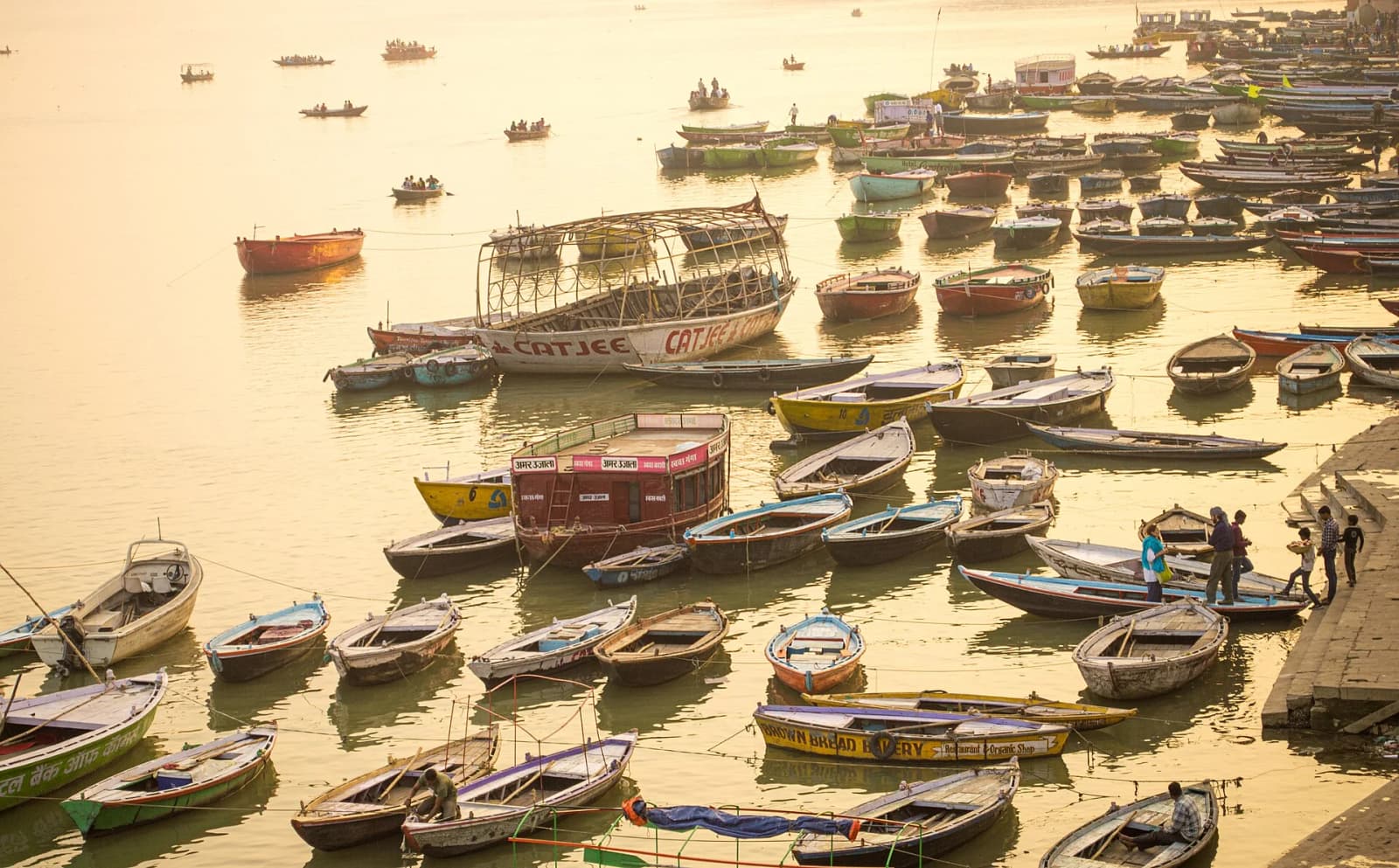
The film looks at the bond between a father and his daughter and at how a musical legacy passes from one generation to the next, against the backdrop of Indian classical music. Bala described the setting as "the eternal spirit of the Ganges".
Bala said the city has been shown on screen in many ways but still has much left to explore. He called it a place shaped by "thousands of years of lived experiences nourished by the Ganga".
How did A.R. Rahman approach the music?
Rahman said both Hindustani and Carnatic classical music have been a constant inspiration for him, and that ragas and the feelings tied to them still shape the way he composes. For Banaras, he said, he built ragas into the compositions, including less commonly used ones like Dev Gandharva.
He also spoke about India's cultural variety. "I enjoy every culture," Rahman said. He compared the strength of Punjabi with the sweetness of Bengali, and said he often lets languages and their cultural flavour mix in his music.
Rahman said he was pleased that two films with his music, Banaras and Ramayan, are being shown at this year's festival. The Ranbir Kapoor-Yash epic 'Ramayana' is still running strongly in cinemas.
A return to features for Bharat Bala
Bala said this is his first feature in a long time, following Maryan, and that he made several short films in between. For him, he said, a feature is part of the same creative process, and he makes one when he finds a story he feels must be told.
Shooting live at the Kumbh
Cinematographer Marc Koninckx said his main goal was to "catch emotions" on the actors' faces through light, camera angle, framing and composition, so that viewers feel part of the film rather than outside it. "The camera is like music," he said, describing how he builds visual rhythm by setting colours and elements against each other. He added that "too much colour kills colour", so colour has to be used selectively. That mattered most, he said, when filming live at the Kumbh.
Abhishek Banerjee said shooting among large crowds at the Maha Kumbh was unpredictable, unlike a controlled studio set, which made trust between actor and director especially important. He said it reminded him of performing street plays (nukkad nataks) in college. He called the shoot "street cinema" and said it changed him as an actor and as a person.
Neeraj Kabi, whose character in the film lives with dementia, said the roles he plays often seep into his own life. He said the part took him back to his childhood, a state in which the future does not exist and the present is absent.
What happens next?
The press conference was moderated by Mahesh Kumar. The PIB release did not announce a theatrical release date for Banaras. The 57th IFFI continues in Goa until 28 November 2026.
Photo source · Philip Nalangan, CC BY 4.0