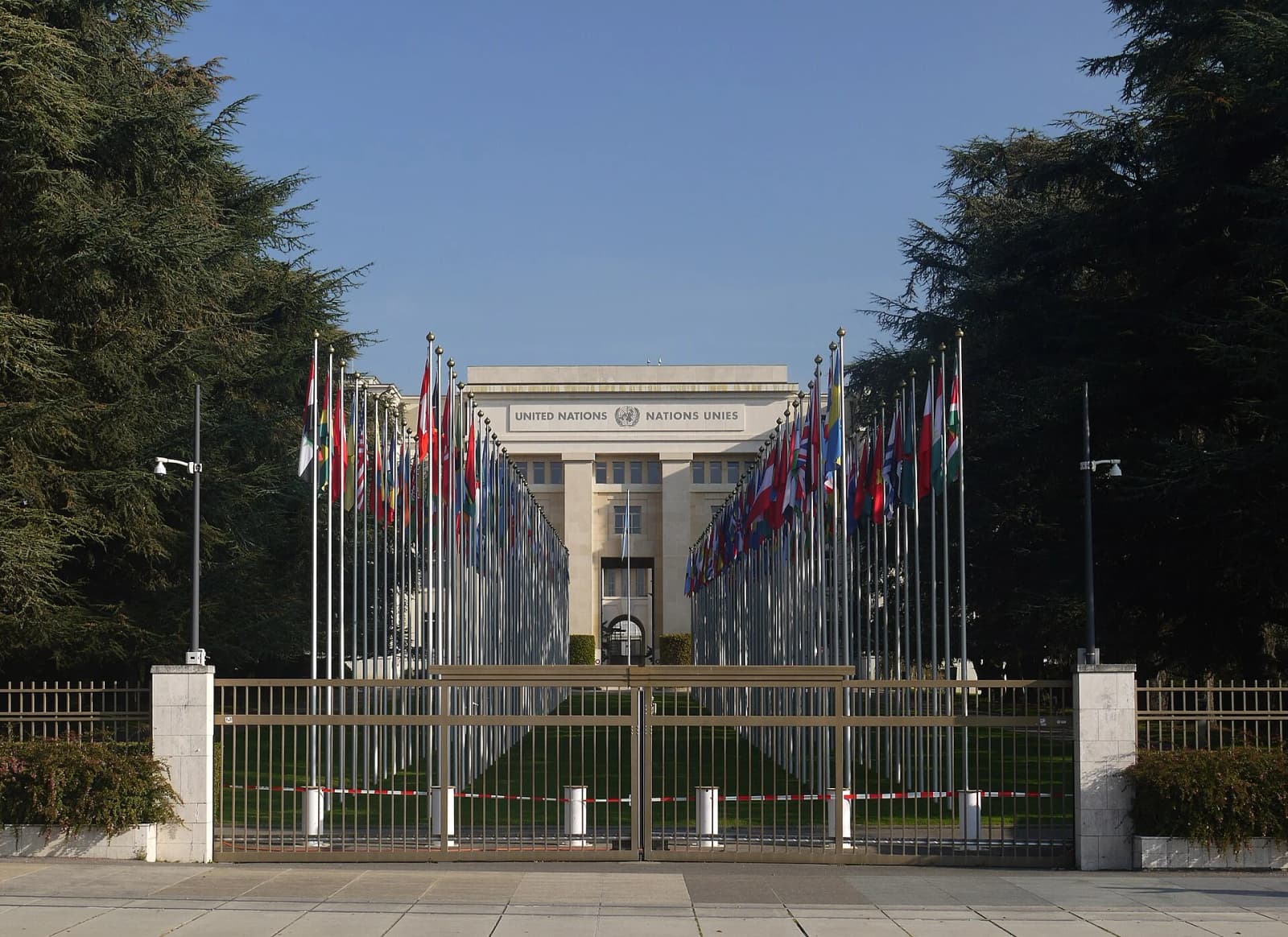
United Nations Secretary-General António Guterres on Monday, 16 November, asked governments to work towards a legally binding instrument on lethal autonomous weapons systems, commonly called "killer robots", as a major arms-control meeting opened in Geneva, UN News reported.
What Guterres told delegates
Guterres spoke by video message to delegates from more than 120 member states gathered for the 7th Review Conference of the Convention on Certain Conventional Weapons (CCW). According to UN News, he said such an instrument should carry "clear prohibitions and restrictions".
"The nature of warfare is changing," the Secretary-General said, adding that new technologies, including autonomous weapons, raise humanitarian, legal, ethical and security challenges. He urged delegates to "seize this moment" and act to stop the use and spread of these weapons, and stressed the need to protect civilians in armed conflict, UN News reported.
Rights chief wants a treaty
The appeal followed a statement last Friday by UN High Commissioner for Human Rights Volker Türk, published by his office, in which he urged states to agree urgently on an international treaty banning killer robots. As reported by UN News, Türk pointed to the speed of technological development and the risk that such systems could soon be widely accessible. He said machines must never decide whether a human being lives or dies.
Türk called for:
- a ban on autonomous weapons that target people, whether by design or in practice;
- a ban on weapons whose functions and effects cannot be fully understood, predicted, explained and controlled by their human users;
- human judgement and responsibility to remain central to decisions on the use of force.
No agreement yet
UN News noted that not all countries favour controls. There is at present no agreement on whether a new instrument on these weapons should be legally binding, or on a timeframe for it.
The convention and the conference
The CCW has been in existence for more than 40 years and has 128 High Contracting Parties, the term for states that have formally joined it and accepted its legal obligations, according to UN News. The report said the convention has earlier helped reduce suffering caused by landmines, improvised explosive devices, incendiary weapons and explosive remnants of war.
In December 2023, the UN General Assembly adopted Resolution 78/241, which affirmed that lethal autonomous weapons systems must respect the laws of war. It was passed with 152 votes in favour, four against and 11 abstentions, UN News said.
Besides autonomous weapons, the Geneva conference will also take up the humanitarian impact of landmines and emerging methods of warfare not covered by other international instruments. The discussions are organised by the UN Office for Disarmament Affairs. UN News did not report any outcome from the opening day.