Estonia has said it will close its road border crossings with Russia from 1 December after accusing Moscow of ordering an attempted arson attack on a drone manufacturer near Tallinn. Russia rejected the accusation on Monday, 16 November, with the Kremlin calling it "baseless" and saying Estonia was "building a wall", the BBC reported.
What happened at the drone factory
According to Estonia's public broadcaster ERR, eight Latvian citizens were detained on Saturday morning, 14 November, after trying to break into the premises of Threod Systems in Viimsi, north of the capital. The group allegedly intended to cause an explosion and set the building on fire. The BBC reported that the suspects tried to use flammable liquids.
Threod Systems makes reconnaissance and attack drones, and its website lists Ukraine and NATO member states among its customers, the BBC said. Estonia's Internal Security Service, known as KAPO, said the attack was ordered by Russia's military intelligence service, the GRU, according to ERR. Prime Minister Kristen Michal said "extensive damage was averted thanks to heightened security measures" at the plant, the BBC reported.
ERR said it was the second such attempt on an Estonian defence company since August, when Tallinn-based Milrem Robotics was targeted in an arson attempt that KAPO also attributed to the GRU.
Which crossings will close
Michal, in a statement on Sunday, asked the authorities to prepare the steps needed to close the eastern border, ERR reported. Interior Minister Igor Taro said he would propose to the government that all road crossings with Russia be shut to pedestrians and vehicles, and the Foreign Ministry said the closure would take effect on 1 December.
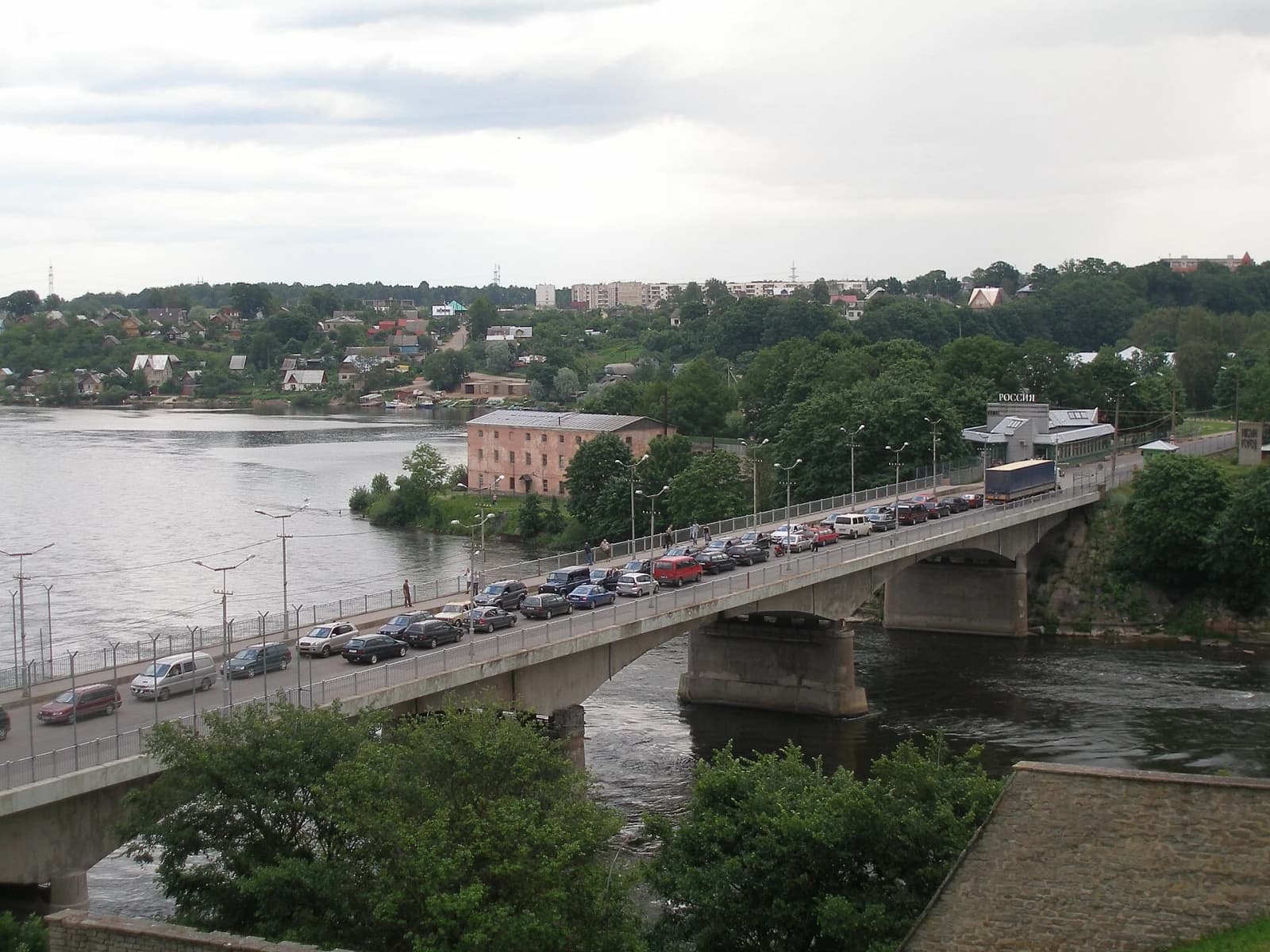
Three road crossings are currently open, at Narva, Luhamaa and Koidula, and they already operate under restrictions. ERR said Estonian residents and truck drivers who are in Russia would have about two weeks to return. The broadcaster's report did not say whether the railway crossings at Narva and Koidula would also close.
"We will not be intimidated," ERR quoted Michal as saying. He said Russia's aim was to "make us afraid, make us hesitate and weaken our support for Ukraine". Foreign Minister Margus Tsahkna said that "closing the border crossings will reduce Russia's ability to conduct hostile activities in Estonia", according to the BBC.
Moscow's response
Kremlin spokesman Dmitry Peskov said: "Estonia is building a wall. Many countries, as history demonstrates, have built walls that have brought nothing good to those who erect such walls," the BBC reported. Russian Foreign Ministry spokeswoman Maria Zakharova told the TASS news agency that a closure would be "another demonstration of Russophobia", according to ERR.
Why it matters
Estonia shares a land and sea border of about 338 km with Russia, the BBC said. One of the crossings is at Narva, Estonia's third-largest city, which faces Russia across the Narva river; the BBC noted that a closure will complicate life for families living on both sides. ERR reported that Narva's mayor has voiced fears about the humanitarian and economic consequences.
European leaders have repeatedly accused Russia of sabotage against infrastructure and supplies meant for Ukraine since the full-scale invasion in 2022, the BBC said. Moscow denies involvement in the Estonian incident.
What happens next
The closure still needs formal government approval. ERR reported that the cabinet is to take up the proposal and to decide whether the shutdown will be temporary or indefinite.