Costa Rican journalist Camilo Rodríguez, who used social media to name alleged drug traffickers and had reported death threats, was shot dead on Monday, 16 November, while driving near the capital, San José. Authorities have opened a murder investigation; no arrests have been announced.
How the attack happened
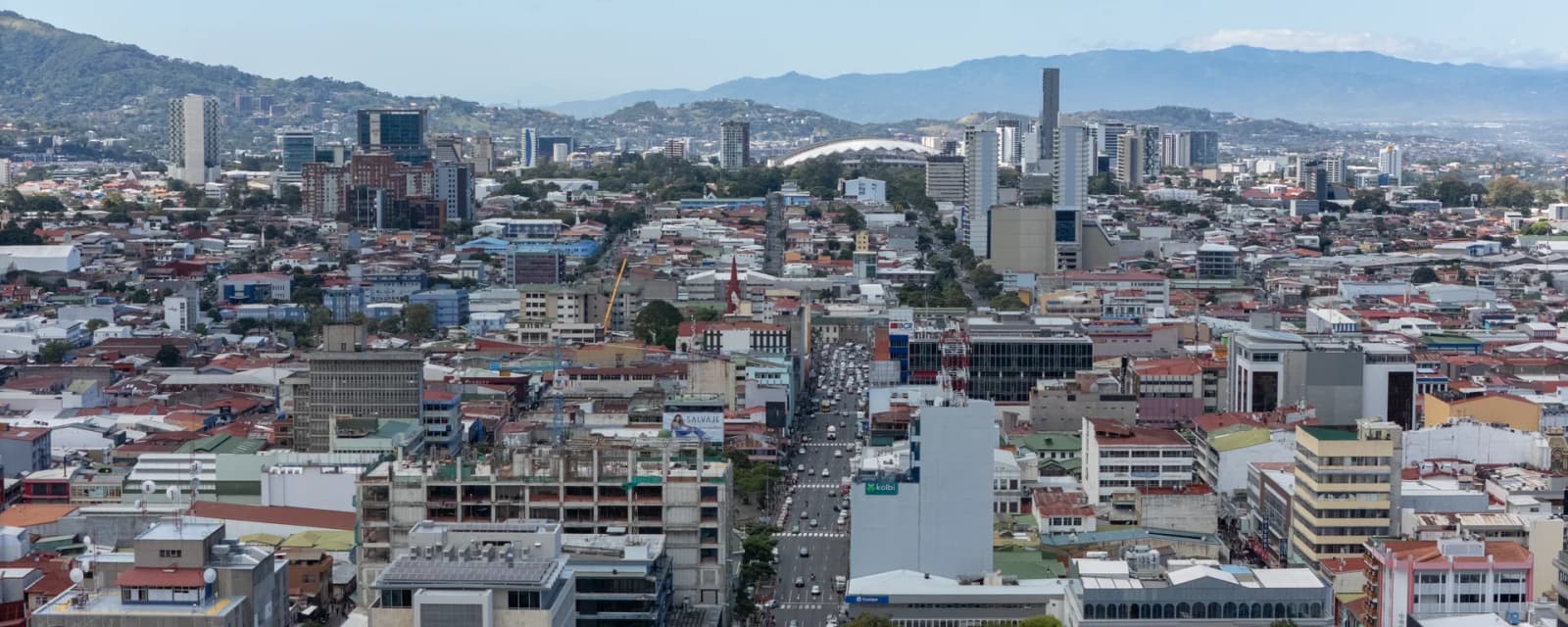
Rodríguez, 50, was driving through Santo Domingo de Heredia when two men on a motorcycle opened fire on him, police chief Raul Rivera said, according to news agency AFP. Local outlet The Tico Times reported that he was in his pickup on Route 32 near San Miguel de Santo Domingo when the motorcycle drew alongside, and that the Red Cross received the alert at 3:21 pm. Rescuers found him inside the vehicle with no vital signs.
The Tico Times noted that the shooting took place less than 50 metres from the spot where radio journalist Parmenio Medina was killed in July 2001.
Threats and a refused protection offer
Rodríguez had worked for print, radio and television outlets in Costa Rica before turning to social media, where he published allegations about drug trafficking and its links to powerful figures in politics and business, AFP reported. He had said he received several death threats from trafficking groups.
Attorney General Carlo Díaz, who announced the investigation, said Rodríguez had reported threats to his life but had declined to enter the witness protection programme. According to The Tico Times, Díaz said one line of inquiry would look at the public accusations the journalist made and the people he named, and that investigators would try to identify both the gunmen and anyone who may have ordered the killing. No motive has been confirmed.
Díaz said Rodríguez was the third journalist murdered in Costa Rica, after Medina in 2001 and Ivannia Mora in 2003, the outlet reported.
A controversial figure
Rodríguez was also a divisive personality. He sought to run for president in 2022, but electoral authorities rejected his nomination on technical grounds, AFP reported. President Laura Fernández sued him for defamation last year, when she was a candidate, after he posted a video alleging that her home had been built with a drug trafficker's money.
Reactions
In a video released by her office, President Fernández said that whatever the content of his statements, the killing was a "stain on freedom of expression", AFP reported.
The Costa Rican Journalists' Association condemned the murder and demanded "a swift investigation". Its president, Yanancy Noguera, told AFP that "all evidence so far points to the silencing of a dissenting voice in Costa Rica."
Why it matters
Costa Rica was long regarded as one of the safest countries in Central America, but AFP noted that it has lost that standing as it has changed from a transit point for drugs into a logistics hub for traffickers. Fernández took office in May after campaigning on a promise to crack down on a wave of crime.
What happens next
Prosecutors and the Judicial Investigation Agency are handling the case. As of Monday evening, authorities had not released a description of the attackers or said how many shots were fired, The Tico Times reported.