A change in gut bacteria that becomes more pronounced with age, and is especially marked in people who live past 100, may be helping the body rather than harming it, researchers at the University of California San Diego reported on Monday, 16 November. When the team boosted the same bacterial activity in old mice, the animals' metabolism improved.
The study, titled "Microbial Bile Acid Deconjugation Counters Metabolic Decline in Aging", was published in the journal Cell Metabolism. The university was careful to say the work does not show that these microbes cause long life in humans, and that the treatment was not shown to make mice live longer.
An enzyme made by gut microbes
The research centres on bile salt hydrolase, or BSH, an enzyme produced by gut bacteria that chemically modifies bile acids. According to the university, the team first compared young and aged mice and found that ageing went along with higher microbial BSH activity and more modification of bile acids.
They then turned to people. Reanalysing publicly available data from a human ageing cohort of 48 young adults, 107 older adults and 125 centenarians, the researchers found that the centenarians had higher ratios of certain modified bile acids than both younger groups, and a greater abundance of a BSH-associated gene than the older adults.
Testing the idea in old mice
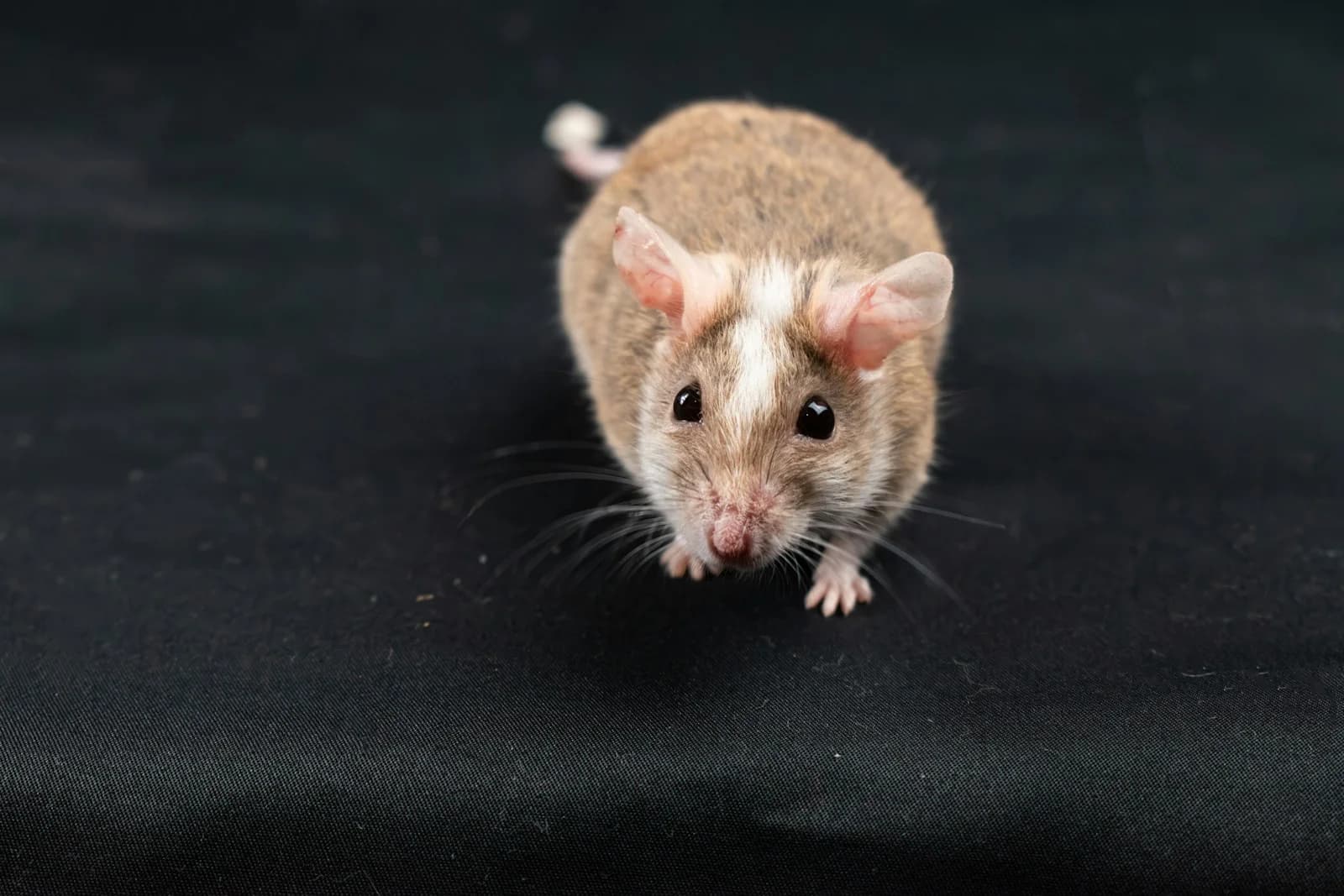
To check whether the enzyme activity actually does anything, the team engineered a bacterial strain native to the gut so that it produced BSH continuously. A single dose was given to 82-week-old mice, in which the bacteria settled and persisted, the release said. A control group received a matched bacterium without the change.
The university reported these results in the treated mice compared with controls:
- At about 20 weeks, significantly better insulin sensitivity and modestly better glucose tolerance.
- By 32 weeks, changes consistent with lower body weight and fat mass, and more lean mass.
- Greater use of fat for energy, improved mitochondrial function, and shifts in gene activity linked to inflammation and the body's circadian clock.
The release does not give the number of mice used or the size of the effects.
'Not simply to live longer'
Senior author Dr Amir Zarrinpar, professor of medicine at UC San Diego School of Medicine, said in the release: "Many studies of aging focus on what goes wrong as we get older." The findings, he said, suggest that some changes in the microbiome may be protective adaptations and not signs of decline.
"The goal isn't simply to live longer," Dr Zarrinpar said, describing the aim as understanding the biology that helps some people stay resilient as they age.
Why caution is needed
The authors themselves set out the limits of the work. Centenarians and aged mice are not directly comparable, and the human findings are described as supportive, not definitive. More studies in people are needed, they said, to work out whether higher BSH activity is merely a marker of healthy ageing, a contributor to it, or both.
Future work will look at different forms of the enzyme and at whether the approach works in females, given that ageing differs between the sexes, according to the university.
The release also carries disclosures: Dr Zarrinpar is a co-founder of and holds equity in Endure Biotherapeutics, and co-author Rob Knight has advisory, consulting or equity ties with BiomeSense, GenCirq and Cybele. UC San Diego said it had reviewed these arrangements under its conflict-of-interest policies.
Scientists from the Salk Institute for Biological Studies and Japan's Keio University were among the co-authors. The work was supported by grants from the US National Institutes of Health, the Larry L. Hillblom Foundation, the Glenn Foundation for Medical Research, the American Federation for Aging Research and the US Department of Veterans Affairs.