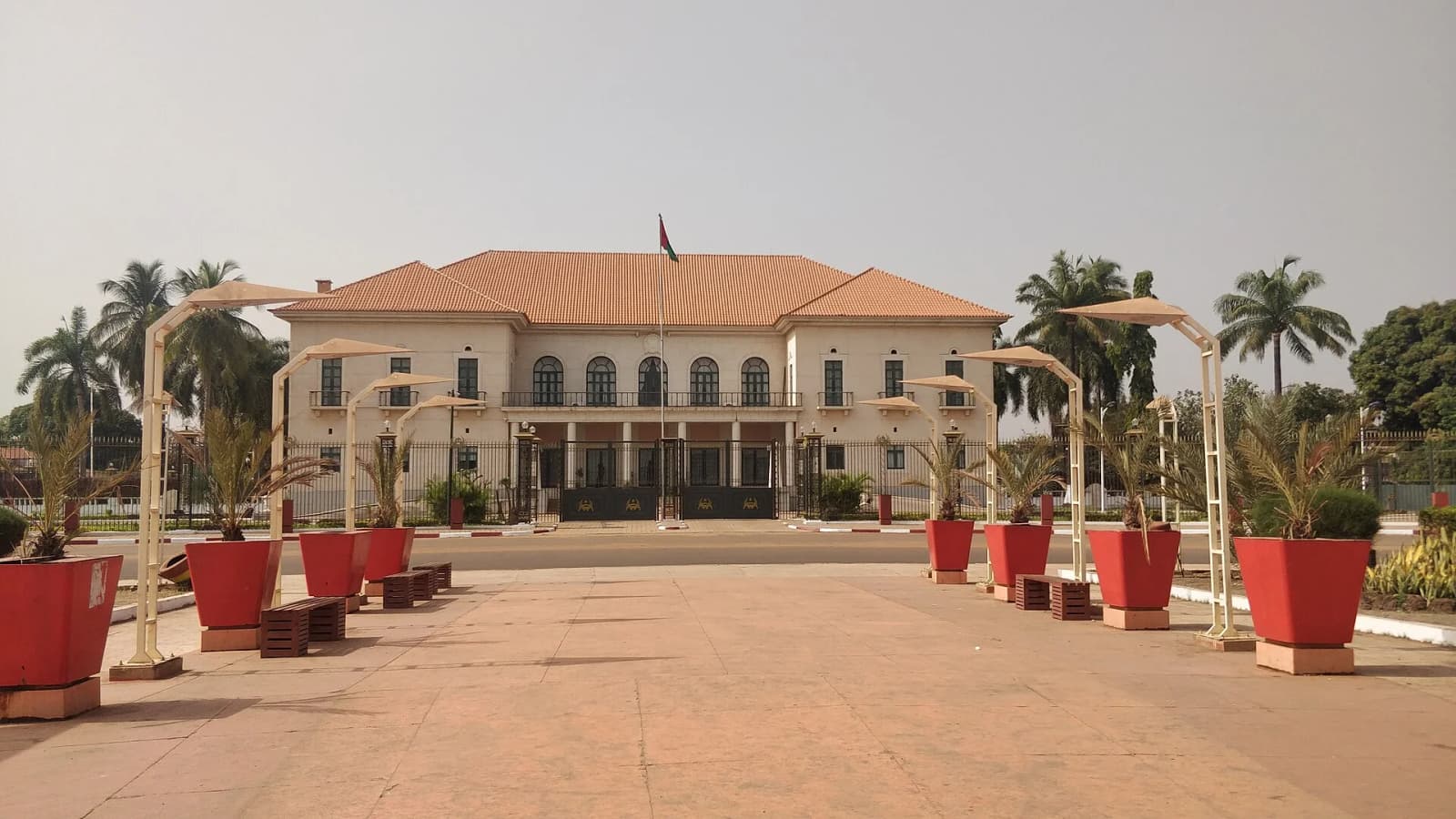
Guinea-Bissau's military government has postponed the West African country's presidential and legislative elections, which were due in December, to 26 November 2028, and on 27 November 2026 its leader went on national television in Bissau to defend the move. The decision, announced on 26 November, the first anniversary of the coup, extends a transition first promised to last about a year by roughly two more years, the Associated Press reported.
Why did the junta delay the vote?
The military leadership says the conditions for a credible vote do not yet exist. A decree signed by Transitional President Gen. Horta Inta-a, whose name is also written N'Tam, states that the "technical, material and financial conditions" needed for credible elections are not in place, according to the AP. Prime Minister Ilídio Vieira Té had earlier said conditions were not ready, without giving a new date.
In a televised address to the nation, reported by Africanews and republished by Africa Global Village, the general called the transition's record so far "positive". He said the reforms needed more time and resources than first planned, and that the country needs its first-ever municipal elections to strengthen local authorities.
What changes are planned before the vote?
According to the Africanews report, the government wants a fresh nationwide electoral census with new mapping. The number of electoral constituencies would be cut from 29 to 12, and the number of members of parliament from 102 to 65. No date has been given for the municipal polls.
The postponement follows a constitutional referendum held in August and organised by the military, which the opposition boycotted. The changes it approved expanded presidential powers and reduced the size of parliament, the AP and Africanews reported.
How did Guinea-Bissau get here?
The military seized power on 26 November 2025, three days after general elections and on the eve of the expected announcement of provisional results. It removed President Umaro Sissoco Embaló before official results were declared. Both Embaló and opposition candidate Fernando Dias had claimed victory.
Many observers suspected Embaló of staging the coup to halt an election he appeared to be losing, Africanews reported, although the current leadership has recently moved to distance itself from him. Embaló, now living in exile in Morocco, had planned to run in the December polls, but the military government barred him from returning last month, citing security and public order concerns, according to the AP.
Why it matters
Guinea-Bissau, a small Portuguese-speaking country, has seen four coups or attempted coups since independence from Portugal in 1974, according to Africanews. The AP notes it is also a transit hub for cocaine bound for Europe. The delay adds to a pattern of extended military transitions in West Africa and tests the influence of the Economic Community of West African States (ECOWAS), which has called for a short, structured and transparent return to civilian rule.
What happens next?
The reaction of ECOWAS, the African Union and Guinea-Bissau's international partners to the new 2028 date had not been reported in the sources reviewed. Whether the bloc will consider sanctions remains unconfirmed. The next markers will be the census, the redrawing of constituencies and any timetable for the promised municipal elections.
Photo source · Jcornelius, CC BY-SA 4.0