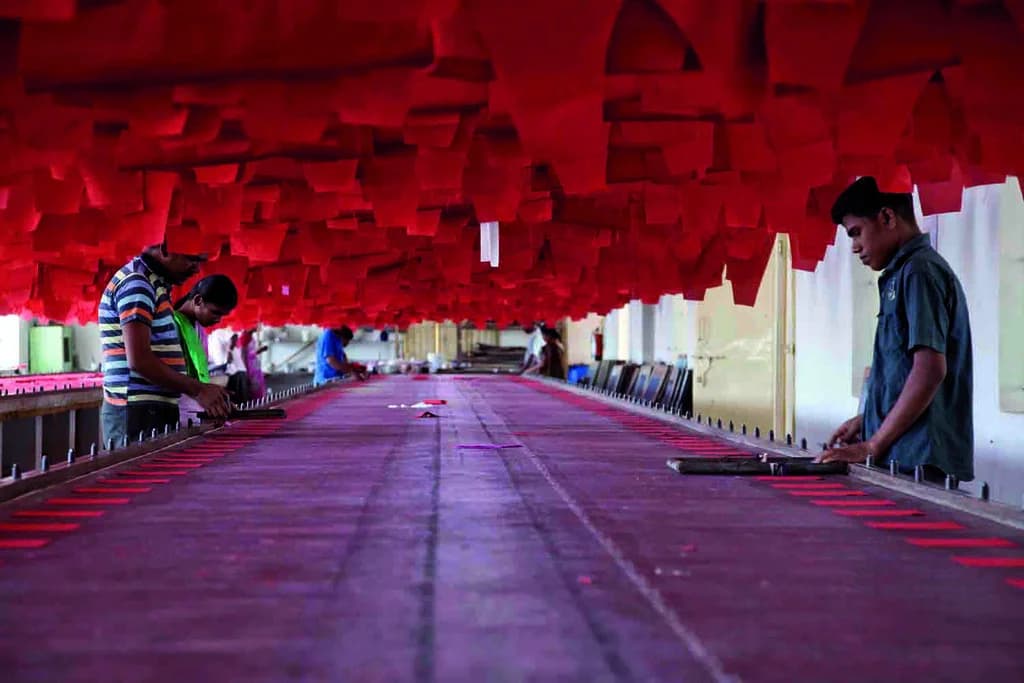
Global fashion retailers including Zara, H&M, Marks & Spencer, and Celio diverted roughly $254 million worth of apparel orders away from Bangladesh between November 1 and 18, 2026, with India emerging as the primary beneficiary alongside Vietnam, Indonesia, and Cambodia.
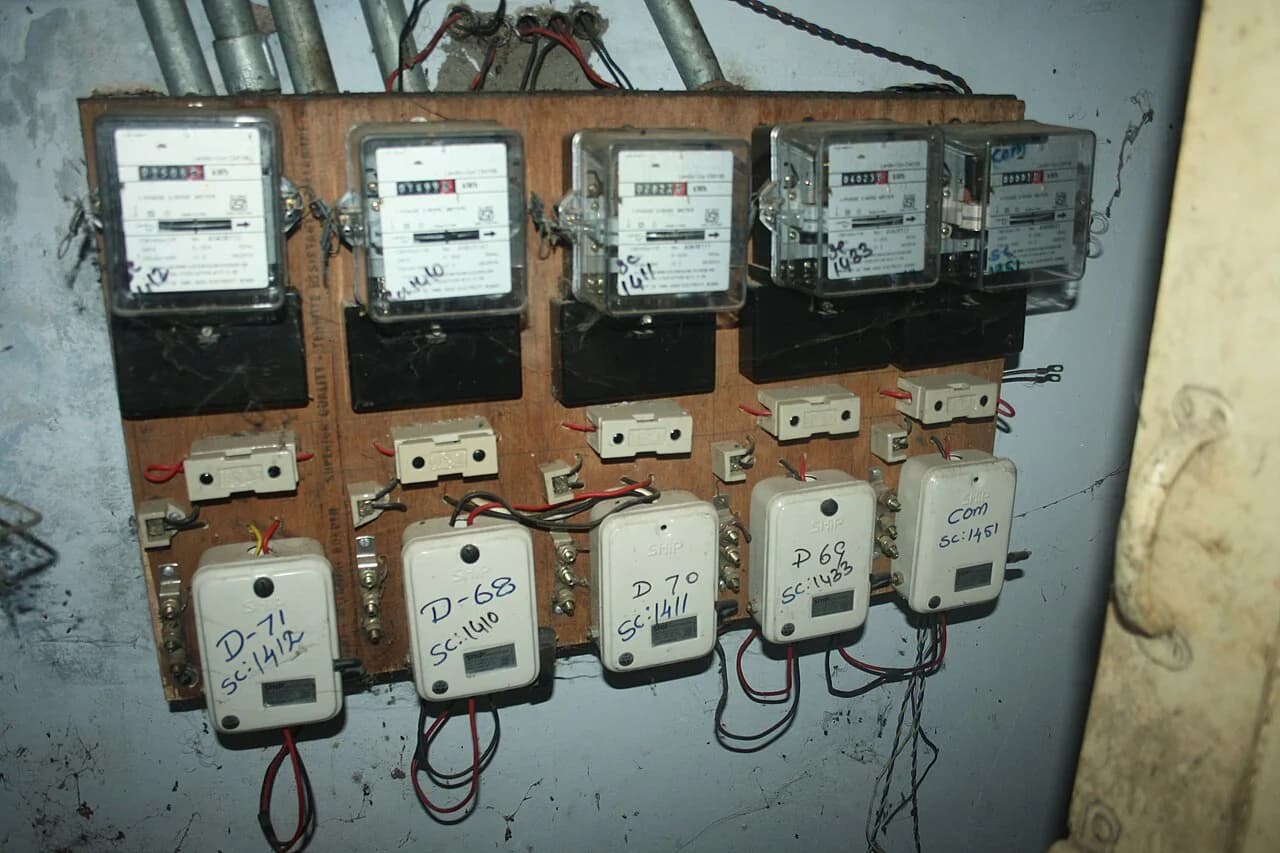
Factory owners and industry leaders said nearly a tenth of monthly orders shifted out during the first half of November after violent wage protests, persistent power shortages, and political uncertainty disrupted manufacturing schedules in the world's second-largest garment exporter.
Scale of Production Losses and Lead-Time Advantage
- Heavy financial hit: According to the Bangladesh Garment Manufacturers and Exporters Association (BGMEA), protests have resulted in more than $400 million in production losses across a sector responsible for over 80% of Bangladesh's export earnings and nearly 40% of manufacturing jobs.
- Lost working days: Manufacturers around Dhaka are estimated to have lost 20 to 25 production days, creating order backlogs and forcing some suppliers to consider overtime or air freight.
- Faster Indian deliveries: BGMEA director M. Mohiuddin Chowdhury noted that rival hubs finish production and delivery within 60 to 90 days versus roughly 120 days in Bangladesh, giving India an edge of around one week and Vietnam or Cambodia up to 15 days.
Wage Hike, Union Criticism and Market Reaction
Tensions persisted even after Bangladesh's Minimum Wage Board approved a 36% raise in the monthly minimum wage from $100 to about $136 following a 12-hour meeting in Dhaka. Union groups called the smallest hike in four decades far below worker demands, while union representative Babul Akhter criticised international brands for using instability as a pretext to pull orders.
In India, apparel export stocks rallied sharply on reports of incoming orders, with Gokaldas Exports surging as much as 11%, Trident climbing about 5%, and Welspun Living, KPR Mill, and Vardhman Textiles advancing around 2% each. Back in Dhaka, factory executives such as Alps Apparels managing director Khan Monirul Alam warned that once buyers establish alternative supply lines, diverted contracts may never return.