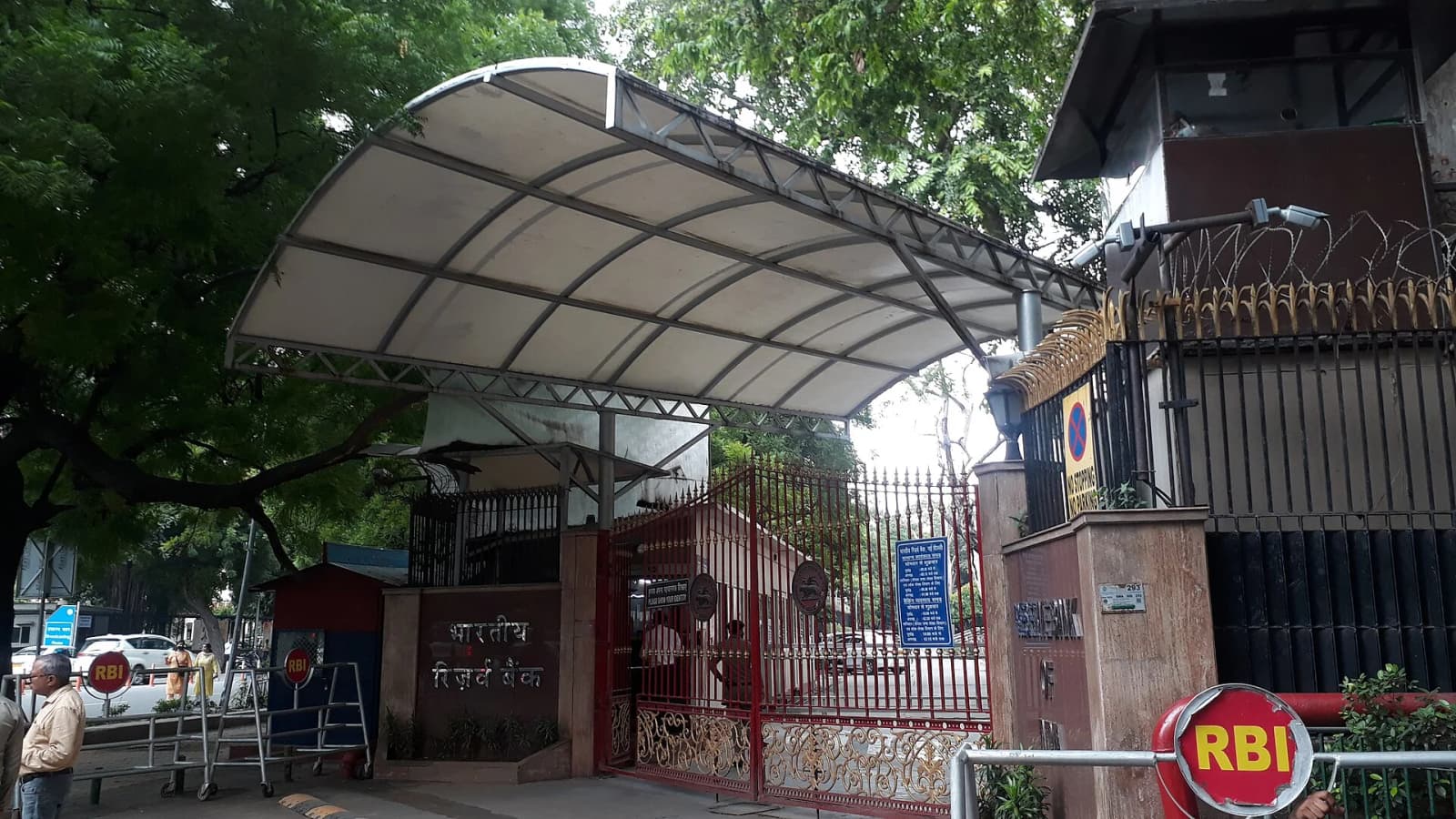
This is a MapMyTimes opinion piece. On 27 November 2026, the Reserve Bank of India (RBI), headquartered in Mumbai, issued final directions that set a uniform, time-bound procedure for banks to freeze, or place a "debit hold" on, accounts suspected of being used as money mules in cyber-enabled fraud. MapMyTimes reported the new rules the same week. In our view, the RBI has got the basic balance right: it has put a clock on what has too often been an open-ended freeze. Whether that balance survives in practice now depends on banks and police doing their part.
What the RBI has decided
According to the RBI press release of 27 November 2026, six sets of amendment directions were issued, covering commercial banks, small finance banks, payments banks, local area banks, regional rural banks and urban co-operative banks. They take effect on 1 July 2027, though a bank may adopt the procedure earlier.
The directions for commercial banks say an account-level hold must rest on a high degree of suspicion of links to a scheduled offence, financial fraud or terrorist financing, must be approved at "an appropriately higher level", and that "mechanical application of hold at account level shall be avoided." The customer must be told promptly, with reasons, the release process and an officer's contact details. The customer then has seven calendar days to explain, and the bank has seven calendar days after receiving that reply to either lift the hold or refer the case to the jurisdictional police through the Ministry of Home Affairs' cyber-fraud reporting system. If no police or court direction to continue the hold arrives within 30 days of that referral, the bank must lift it on the 31st day, provided its enhanced due diligence is satisfactory. Banks must also name nodal officers, resolve complaints within 30 calendar days and keep records for five years.
Why a clock matters
The procedure exists because the Supreme Court, in an order on 4 August 2026, asked the RBI to frame a standard operating procedure on mule accounts, as Bar & Bench reported. The core problem is easy to state. A frozen account can mean an unpaid rent, a missed salary withdrawal or a stalled small business, and the account holder may have done nothing wrong. The RBI's own directions accept this, noting that "all accounts involving suspicious transaction(s) are not necessarily highly suspicious accounts."
The final text is also tighter than the September 2026 draft, which had given customers 20 days to reply, contemplated holds of up to 60 days, and defined suspect transactions from ₹1,000 upwards. The final commercial-bank directions shorten each step and require release on day 31 unless an authority says otherwise. We think that is the right instinct: the burden of a slow system should not fall indefinitely on a customer who has not been charged with anything.
The strongest case against
The fairest objection comes from the other side. Fraud victims want stolen money stopped before it moves on, and cyber-crime cells are often stretched. If police do not respond within 30 days, money held in a genuine mule account could be released on the 31st day. Some will argue that a shorter clock rewards fraud networks that know how to wait, and that the price of an occasional wrongly frozen account is worth paying to protect victims.
A second objection points the opposite way. Seven days is not long for an elderly customer, a migrant worker away from home, or someone who misses an SMS or email, to gather documents and respond. A rule that is fair on paper can be harsh for people who are not fluent with digital banking.
Both concerns are serious. Neither, in our view, justifies going back to open-ended freezes. The RBI's design already contains safeguards: the 31st-day release is conditional on the bank's enhanced due diligence, police and courts can direct a hold to continue, and a customer who does not respond is referred to the police rather than released. The answer to slow police responses is faster police responses, not indefinite restrictions on accounts.
What should happen next
First, banks need not wait for July 2027. The directions allow earlier adoption, and lenders that move early would protect customers sooner and learn where the process breaks.
Second, the notice a customer receives should be easy to act on. The directions require reasons and an officer's contact; banks should make sure that information reaches customers in a language they understand and through more than one channel, so that seven days is a real opportunity to respond.
Third, police and the Home Ministry's cyber-fraud system must be resourced to meet the 30-day window. The procedure assumes that someone on the law-enforcement side will look at each referral in time.
Finally, the RBI could consider publishing periodic aggregate data on how many holds are placed, released on the 31st day, or continued on police orders. That would show whether the system is catching mules or catching ordinary customers, and give everyone a basis for adjusting the rules.
The new procedure is a sensible start. Its success will be measured by whether genuine customers get their money back quickly and fraud proceeds still get stopped.