Union Power Minister Manohar Lal on 28 November 2026 asked states to finish giving electricity connections to all remaining households by March 2027. He said this after a two-day Power Ministers' Conference ended in New Delhi. He also proposed a three-month "check meter" arrangement for consumers who say their new smart meters show unusually high readings, The Economic Times reported.
Power ministers, senior officials and electricity regulators from 28 states and eight Union Territories attended the conference, which opened on 27 November, ETV Bharat reported. Minister of State for Power Shripad Yesso Naik and Power Secretary Pankaj Agarwal also took part.
How many households still lack a power connection?
According to the minister, 1.45 million households had been taken up for grid connectivity. About 6.25 lakh of them, including homes served through off-grid arrangements, had been connected so far. He urged states to complete the rest "in mission mode" by March next year.
Manohar Lal said some homes may take longer. Difficult terrain and weather in snowbound mountains, forests and border areas could push those connections back by another two to four months, according to The Economic Times. Work everywhere else, he said, should meet the deadline.
What is the check-meter proposal for smart meters?
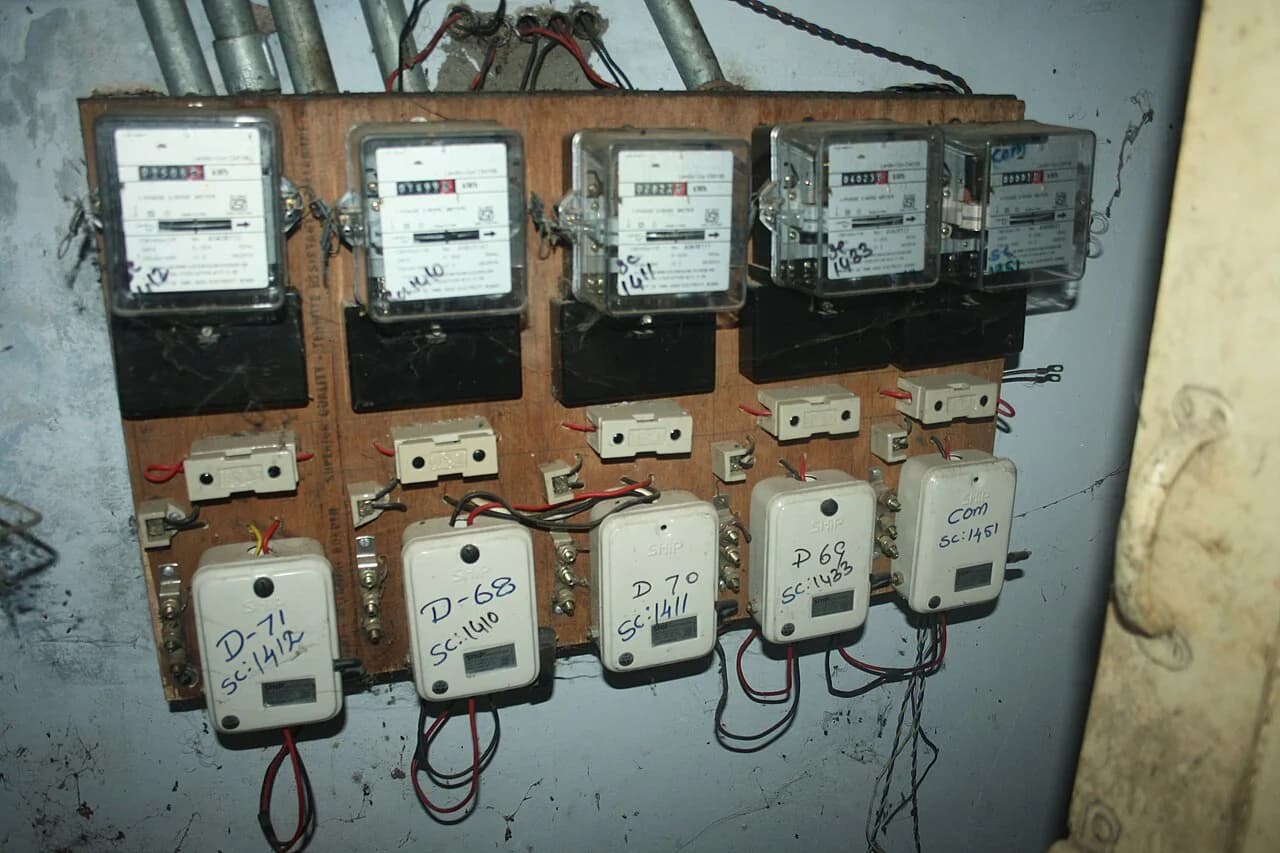
Some consumers have complained of unusually high bills after smart meters were installed. For them, the minister suggested that states fit a parallel check meter for three months so consumers can compare the two readings and have any gap examined. He said old dues are often not settled properly, so consumers are surprised when a smart meter picks up the discrepancy in its first bill. He suggested that states consider settlement schemes for such accumulated dues.
The government is aiming to install seven crore smart meters across the country, The Week reported, quoting the minister. He said other complaints are being handled through the existing grievance redressal system.
What else did the Centre ask states to do?
- Billing and metering: States were asked to improve billing and collection and to speed up smart metering.
- Power purchase: States were urged to sign long-term power purchase agreements instead of relying on short-term purchases, and to draw up demand estimates and procurement roadmaps.
- Storage: Officials said battery energy storage capacity is expected to reach 36 to 40 GWh by the end of March, according to The Economic Times.
- Farm feeders: The minister called for solar-powered agricultural feeders, so that farmers get electricity during the day and states spend less on subsidies.
- Planning: States were asked to review their resource adequacy plans, covering future demand, generation and transmission, and to report proposed changes.
Why does storage feature so prominently?
Power Secretary Pankaj Agarwal said India now has a daytime surplus of roughly 30,000 to 50,000 MW, which shows the need for storage, according to The Week. On the conference's first day, he said India's installed capacity is about 563 GW, more than 55 per cent of it from non-fossil sources. He added that around 60 GW was added in the past 12 months, 87 per cent of it non-fossil, ETV Bharat reported.
On 27 November, Manohar Lal also said the power sector offers an investment opportunity of Rs 200 lakh crore over the next two decades. He noted that power distribution companies as a whole had recorded a positive profit after tax in 2024-25.
Why it matters for consumers
Billing disputes and unpaid dues are a recurring flashpoint between distribution companies and consumers. In Madhya Pradesh, for example, discoms recently ran drives against power theft and defaulters. The minister presented check meters and settlement schemes as ways to resolve disputes over smart-meter readings and old dues. The check-meter arrangement was put forward as a suggestion for states to consider. No formal guideline on it has been reported so far.
What happens next
States must now complete pending household connections by March 2027 and send reports on their resource adequacy plans to the Centre. Watch for whether the Ministry of Power issues formal guidance on check meters and settlement schemes.
Photo source · Balaji Kasirajan, CC BY-SA 3.0