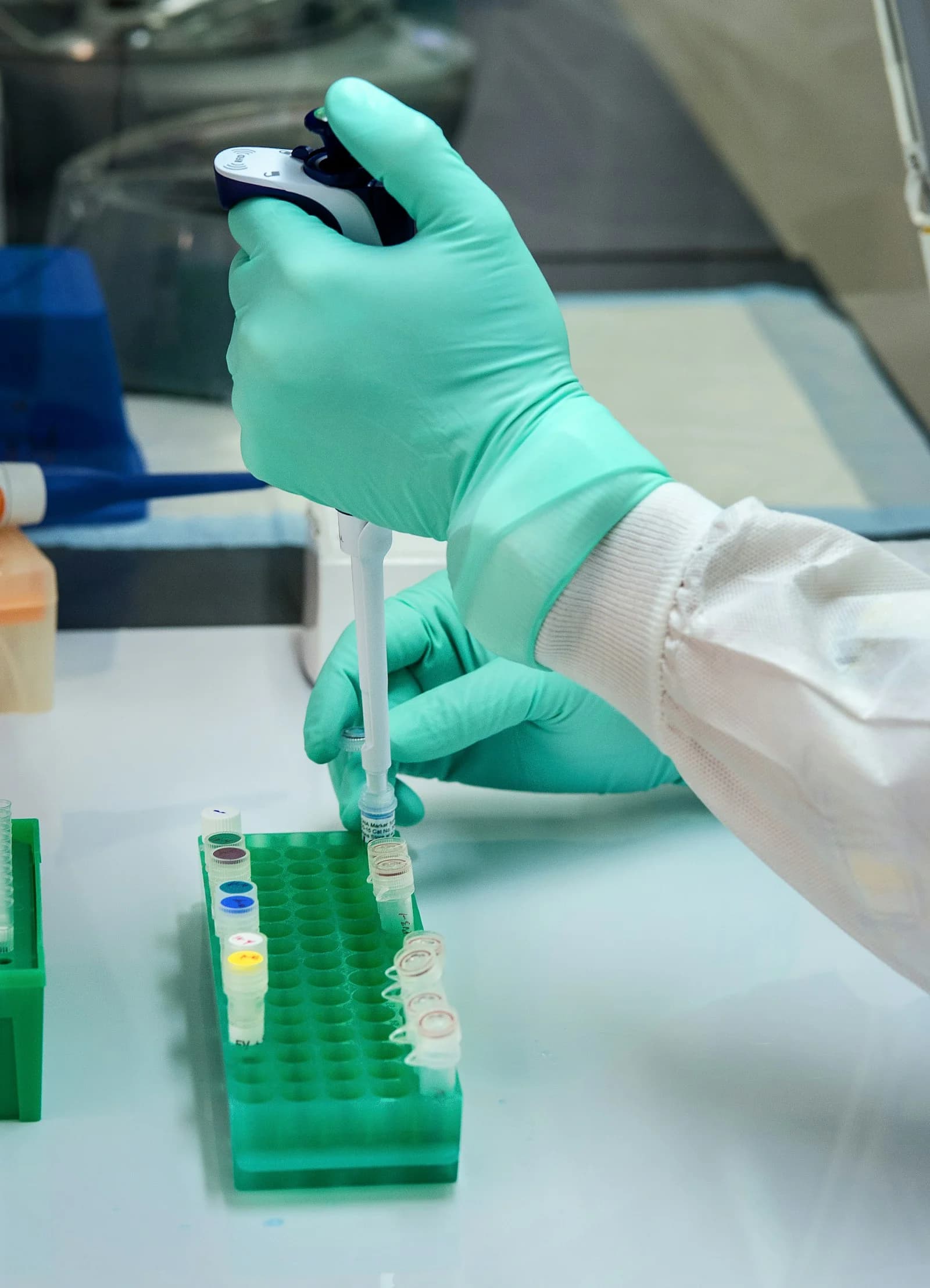
Sequencing the genomes of both parents and of the miscarried pregnancy turned up a possible genetic explanation in 30 of 118 families with repeated, otherwise unexplained pregnancy loss, according to a study led by Stanford Medicine and published in the journal Genome Medicine on 16 November 2026.
In a release on the study, Stanford Medicine said recurrent pregnancy loss, defined as two or more miscarriages, affects about 5% of couples, and that in about 70% of such cases the lost pregnancy has a normal set of chromosomes. Standard chromosome testing therefore leaves most of these couples without an answer.
"We were not satisfied with the lack of explanation," Svetlana Yatsenko, professor of pathology at Stanford Medicine and a senior author, said in the release.
What the researchers did
Five academic centres enrolled 176 families between 2022 and 2024, the release said. After samples with chromosome abnormalities or poor-quality DNA were set aside, 118 families remained. About 79% of the losses happened in the first trimester, and about 95% of the pregnancies had shown no structural abnormality on prenatal ultrasound.
According to Stanford Medicine, earlier studies of chromosomally normal losses had examined only about 60 samples in all, and often sequenced the pregnancy alone, which made it hard to tell inherited variants from new ones. This team sequenced both parents as well. It then focused on genes already tied to lethal conditions in stillborn babies and newborns, or to death before birth in mice, and checked whether those genes are active at the stage when the pregnancy ended.
What they found
- In 18 families (15.3%), the team found pathogenic or likely pathogenic variants in genes involved in early human development.
- In another 12 families (10.2%), it found variants of uncertain significance, which are suggestive but not established causes.
- In 24 of the 30 families, at least one parent carried the variant, usually without any symptoms.
- The most common pattern, seen in 11 families, was damage to both copies of a single gene. In five families, a variant on the X chromosome had passed to a male embryo, which has no second copy.
In all, 28 genes were identified. Thirteen had already been linked to fetal or newborn death, while 15 had never before been reported in pregnancy loss, the release said. In one family both parents carried a damaged copy of DHCR7, a gene linked to Smith-Lemli-Opitz syndrome, and the pregnancy was lost at 12 weeks.
A first-trimester loss usually offers no visible sign pointing to a particular disorder. "There is no phenotype that can be linked to the genetic condition," Yatsenko said in the release.
What it could mean for couples
The researchers said sequencing parents and miscarried pregnancies could eventually be added to standard chromosome testing. Where a disease-causing variant is confirmed, doctors could advise a couple on the chance of another loss, and embryos created through IVF could be tested for that variant before transfer. Screening before conception is another possibility. "Maybe there are prevention steps that can be implemented before you get pregnant," Yatsenko said.
Ruth Lathi, professor of obstetrics and gynaecology at Stanford Medicine and medical director of its Recurrent Pregnancy Loss programme, described the condition in the release as "more than a medical diagnosis."
Limits and next steps
The release itself urged caution. The study covers 118 families and some findings rest on a handful of cases. Variants of uncertain significance and the newly proposed genes should not be used to choose embryos or guide other medical decisions until more evidence builds up, it said. In three families, other miscarriages did not carry the variant that was found, which suggests some losses have different causes.
The team is enrolling more families to confirm that the genes it identified truly cause pregnancy loss. Mona Aminbeidokhti, a postdoctoral fellow at the University of California, San Francisco, is the lead author; Aleksandar Rajkovic of UCSF is a senior author along with Yatsenko and Lathi. Researchers from Oregon Health & Science University, the University of Illinois Chicago and the company Natera also took part. The work was funded by the US National Institutes of Health.