South Korea's Korea Disease Control and Prevention Agency (KDCA) said on 20 November 2026 that a patient treated in Changwon, South Gyeongsang Province, had caught toxin-producing cholera inside the country, the first locally acquired case there since 2016. As we reported, the patient had not travelled abroad in the previous two months and the source of infection is still unknown. The news has many readers asking a basic question: what exactly is cholera, and should they worry? Here is what the World Health Organization (WHO) and the KDCA say.
What is cholera?
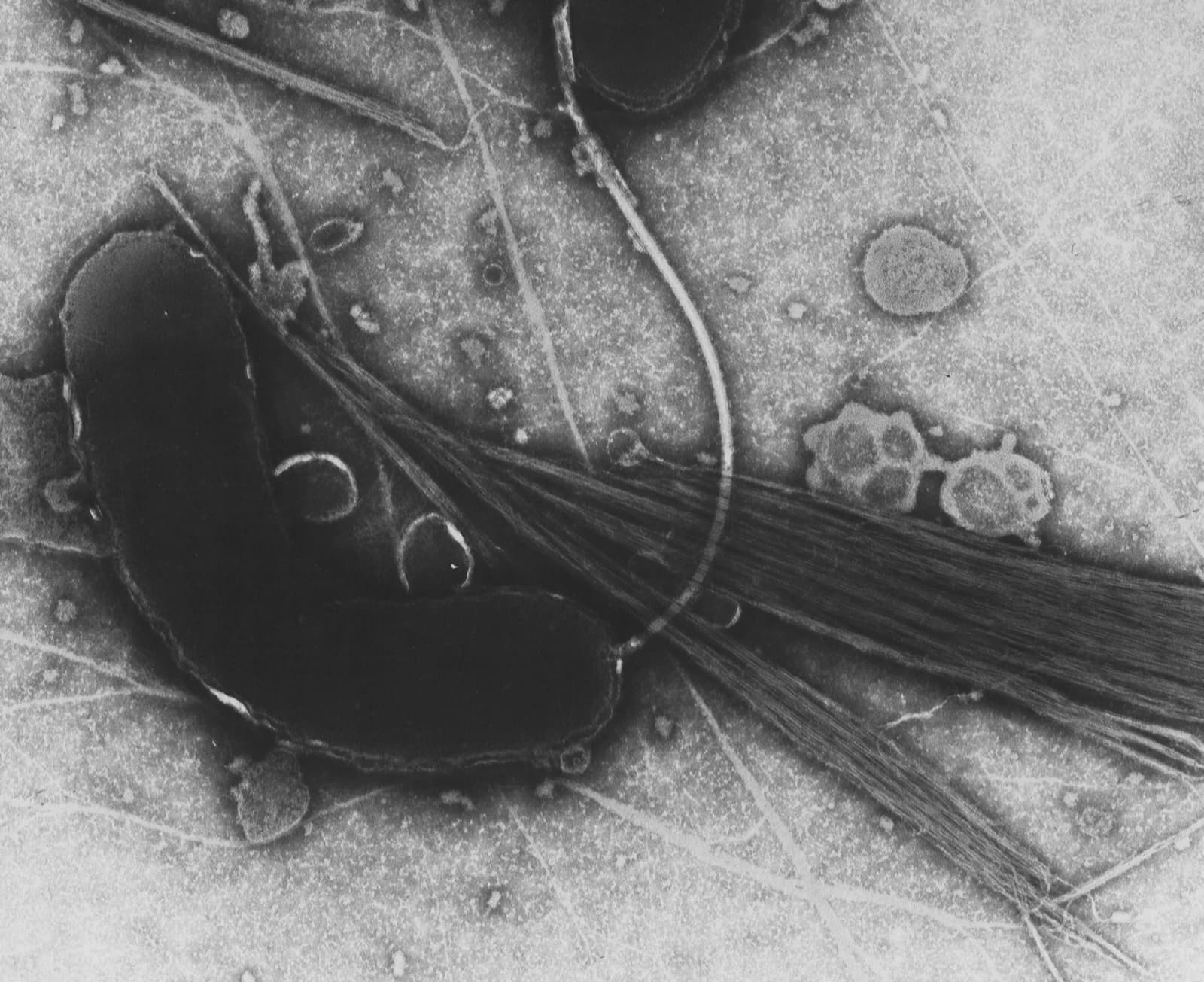
Cholera is an acute diarrhoeal infection caused by eating food or drinking water contaminated with the bacterium Vibrio cholerae. According to the WHO fact sheet on cholera, updated on 29 September 2026, it can kill within hours if it is not treated. Only two serogroups of the bacterium, O1 and O139, cause outbreaks, and O1 has been behind all recent ones. The Changwon case was the O1 type, Ogawa serotype, confirmed by the KDCA on 19 November.
Why is it in the news?
It is in the news because South Korea had gone ten years without a cholera infection picked up at home. The timeline released by the KDCA shows how easily such a case can be missed:
- 6 November: the patient went to a hospital emergency room in Changwon with vomiting and diarrhoea.
- 9 November: the hospital suspected cholera, reported it and sent samples for testing.
- 16 November: the first test came back negative.
- 17 November: symptoms had cleared and the patient was discharged.
- 18 November: the Gyeongnam Institute of Health and Environment retested leftover samples taken before antibiotics were given and found a positive result.
- 19 November: the KDCA confirmed a toxin-producing strain.
The patient's age and sex have not been released. The person will stay in isolation until two follow-up tests in a row are negative, and officials are monitoring contacts.
How does cholera spread, and what are the symptoms?
Cholera spreads mainly through contaminated food and water, and most infected people never feel ill at all. The WHO says symptoms, when they appear, start between 12 hours and five days after infection. People without symptoms can still shed the bacteria in their faeces for one to ten days, which is how the infection can move quietly through a community with poor sanitation.
Among people who do fall ill, most have mild or moderate symptoms. A smaller group develops severe acute watery diarrhoea that can cause life-threatening dehydration, which is what makes cholera dangerous.
The KDCA has pointed out that non-toxin-producing cholera bacteria occur naturally in seawater. Its marine monitoring, carried out from March to November every year since 2005, has not found a toxin-producing strain in seawater so far.
Can cholera be treated?
Yes, cholera is treatable and most patients recover with simple oral rehydration solution (ORS). Severe cases need intravenous fluids along with ORS and antibiotics. The WHO says that with proper care, deaths among patients in treatment centres should stay below 1%.
Is there a vaccine?
There are three oral cholera vaccines prequalified by the WHO: Dukoral, Euvichol-Plus and Euvichol-S, the last of which was prequalified in 2024. Two doses give adults full protection for at least three years, while a single dose of Euvichol-Plus or Euvichol-S gives good but shorter protection.
Supply has been a problem. Because of a global shortage, outbreak responses have used only single-dose regimens since October 2022. The WHO says global production rose from about 30 million doses in 2022 to about 80 million in 2025, and preventive vaccination campaigns resumed in 2026, with 20 million doses allocated in February.
How big is the problem worldwide?
Cholera remains a large global problem, much bigger than official figures show. In 2025, 47 countries reported 451,499 cases and 7,870 deaths to the WHO; the death count was the highest reported since 1999. Researchers estimate the true toll at 1.3 million to 4 million cases and 21,000 to 143,000 deaths a year. The WHO says the gap reflects weak surveillance and under-reporting.
How does it affect you?
For most travellers and residents, the practical risk comes down to safe water, safe food and handwashing. KDCA Commissioner Im Seung-kwan urged people to follow basic hygiene and food-safety rules, and asked anyone with repeated or persistent watery diarrhoea after travelling or eating seafood to see a doctor.
Indian readers should note one detail. As of 1 October 2026, the KDCA's cholera quarantine management list covered 36 countries, including India, Bangladesh, Pakistan, Nepal and the Philippines. That list is used for health screening of arrivals; the Changwon patient, however, had not travelled abroad.
What is known, and what is not?
Established: the case was locally acquired, the strain is toxin-producing V. cholerae O1 Ogawa, and the patient has recovered from symptoms.
Still uncertain: where the infection came from, whether anyone else was exposed, and whether more cases will follow. The KDCA has described its findings as preliminary.
What happens next?
The KDCA's epidemiological investigation will try to trace the source, with contacts under monitoring and the patient in isolation until cleared by two negative tests. Any further cases or a confirmed source would be the next signal of whether this was an isolated infection.