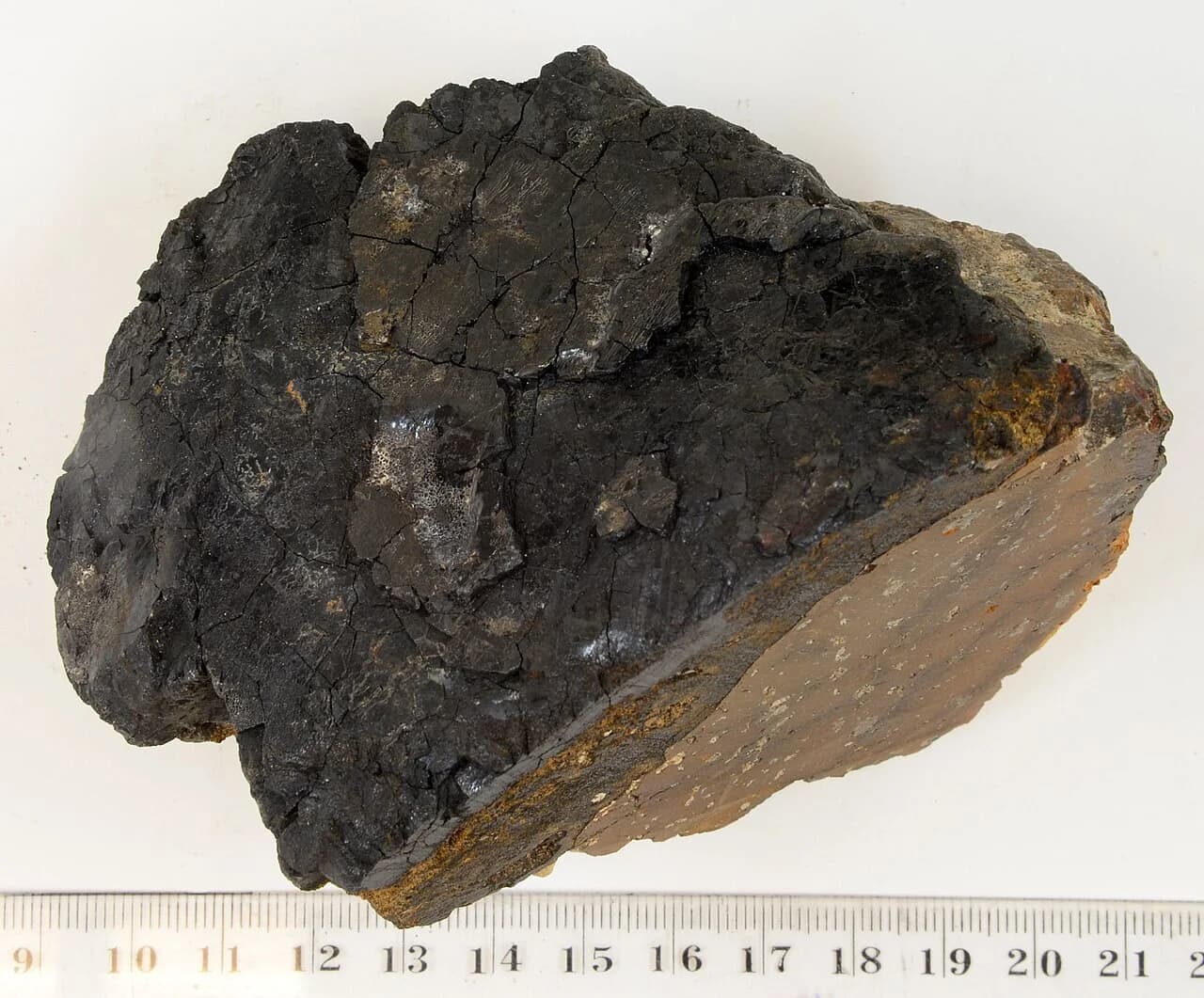
This is a MapMyTimes opinion piece. It responds to the United States Department of the Interior's first offshore critical minerals lease sale, held on 19 November 2026 for two vast areas of seabed off American Samoa in the South Pacific, which MapMyTimes reported here.
The sale went ahead even though, earlier the same week, a federal judge in Hawaii had found fault with the environmental groundwork behind it. That sequence, sell first and settle the legal and scientific questions later, is the wrong way to open one of the least understood places on Earth to industry.
What exactly was sold?
The Interior Department sold rights to about 31.5 million acres of federal seabed for $6 million in high bids. According to the department's announcement, the two lease areas lie 150 to 240 miles east of Pago Pago, in water between 1,412 and 6,127 metres deep. The leases carry a 20-year primary term, with royalties of 2% for the first five years of production rising to 5% afterwards. The terms were set out in a Final Leasing Notice published in the Federal Register on 20 October 2026. Anadolu Agency reported that each area drew a $3 million bid and that Wetstone US Ventures was the only bidder.
Interior Secretary Doug Burgum called the sale "a historic step for America's energy and mineral security". Acting Marine Minerals Administration Director Mike Olsen said "any future development would be subject to rigorous U.S. safety and environmental standards."
Why the timing is the problem
Anadolu Agency reported that US District Judge Jill Otake in Hawaii found that the National Marine Fisheries Service "failed to even attempt to consider the potential effects on ESA-listed species", meaning species protected under the Endangered Species Act. A government that has just been told by a court that a key wildlife assessment was missing should pause, fix it and then decide. Proceeding the same week sends the message that the review is a box to tick, not a reason to think again.
The price also deserves scrutiny. Six million dollars for an area larger than many countries, with a single bidder, does not look like a market discovering value. It looks like a claim being staked cheaply, with the public's ocean as the stake. Low royalties may be meant to attract investment in an untested industry, but they also shift more of the long-term risk onto the public and onto the people who live closest to these waters.
The strongest case for the sale
The other side has a serious argument. Nickel, copper and cobalt are needed for batteries, grids and defence, and supply chains for several such minerals are concentrated in a few countries. A government that wants secure supplies cannot ignore the seabed. The Interior Department also stresses that issuing a lease "does not authorize delineation, testing or mining activities"; any such step would need further environmental review and approval. On this view, a lease is only a place in the queue, and selling it now simply lets companies start the slow work of planning.
That argument deserves a hearing, and the safeguard is real. But leases create expectations, investment and legal claims. Once companies hold rights, every later decision to refuse a permit becomes a fight over compensation and lost opportunity. The time to ask whether mining here can be done safely, and whether local communities consent, is before rights are sold, not after.
What should happen next
This newspaper believes the Interior Department should hold formal issuance of the leases until the court's concerns about endangered species have been properly addressed and a fresh assessment has been published for public comment. It should release the full bid results and the identity of every leaseholder promptly, instead of leaving that to the 90-day statistical summary. And it should commit to independent baseline studies of the lease areas, paid for by the leaseholders but published openly, before any test mining is even considered.
For India and other countries watching, the lesson is wider. In a new industry, the country that moves first sets the tone for everyone else. A sale that runs ahead of its own courts makes the case for strict, science-led rules stronger, not weaker.
Critical minerals matter. So does the deep ocean, which most of humanity will never see but all of it depends on. Getting the order right, science and consent first and sales second, is not an obstacle to security. It is what makes any future mining defensible.
Photo source · Hannes Grobe, CC BY-SA 4.0