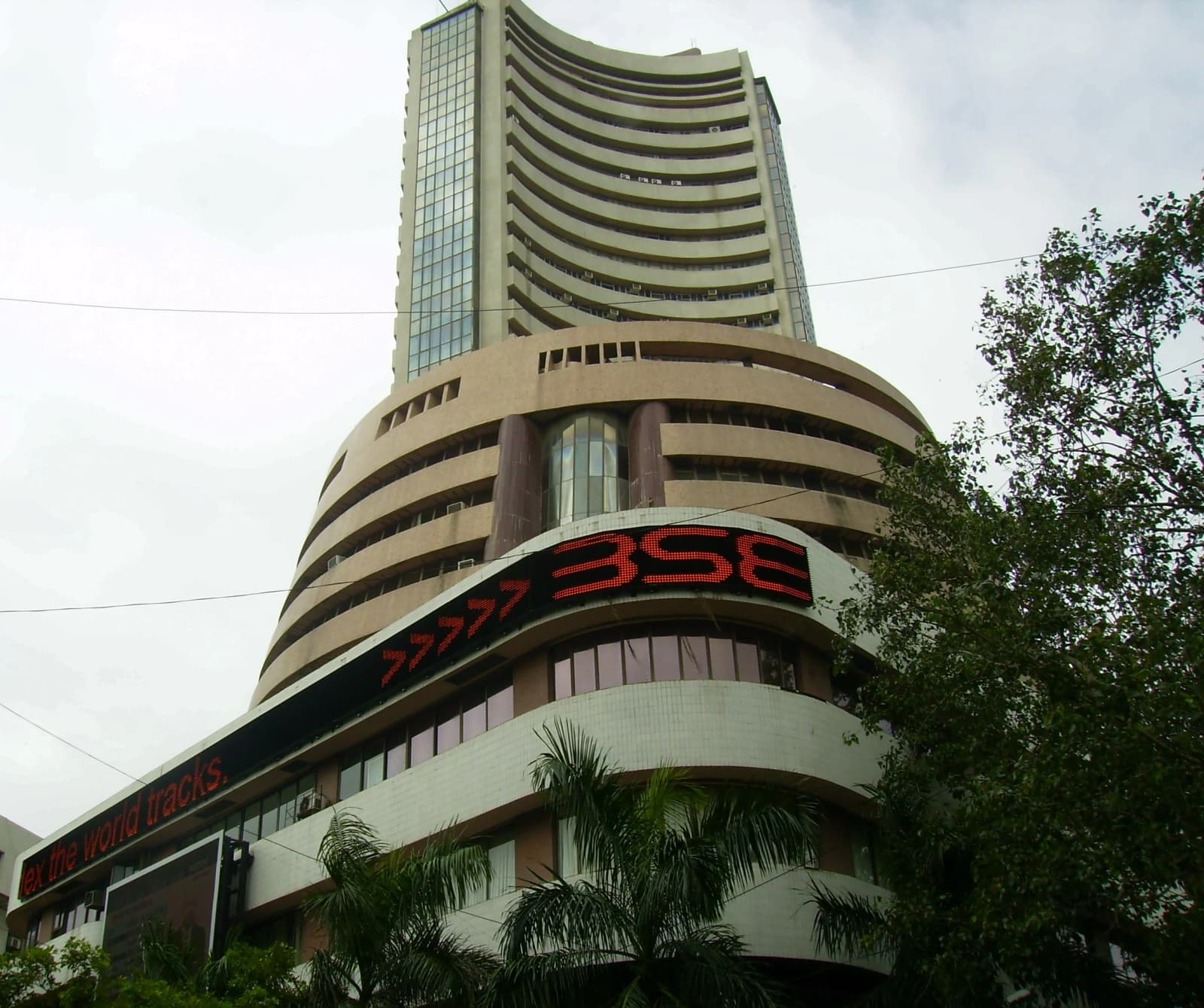
India's benchmark share indices fell sharply on Monday, 23 November 2026, in Mumbai. As MapMyTimes reported, the BSE Sensex lost 1,483.72 points, or 1.77%, to close at 82,435.99, while the NSE Nifty 50 fell 450.95 points, or 1.75%, to 25,349.65. This explainer sets out what happened, why it happened, and what it does and does not tell ordinary savers.
What happened to the Sensex on 23 November?
The Sensex opened higher and then reversed sharply, ending the day almost 1,500 points below where it started. It opened at 84,421.97, up 502.26 points from Friday's close of 83,919.71, and the Nifty 50 opened above 25,900, according to a market update by research firm Equentis. By the close the Sensex had touched an intraday low of 82,395.88, a fall of 1,523.83 points, according to figures reported by PSU Watch.
Losers far outnumbered gainers. On the BSE, 2,872 stocks declined, 1,601 advanced and 265 were unchanged. The total market value of BSE-listed companies fell by about ₹5.2 lakh crore, to roughly ₹508.98 lakh crore, according to the same report. Other outlets put the loss in investor wealth higher, at over ₹6 lakh crore, so the exact figure depends on the timing and method used.
Why did the market fall?
The fall was driven mainly by heavy selling in bank and metal shares after a rally, combined with weak global cues. Vikram Kasat, Chief Business Officer (Advisory and Dealing) at PL Capital, said "Indian equity markets witnessed a sharp reversal on Monday", adding that the Bank Nifty fell over 3% and metal shares nearly 4%. Market reports described the selling as profit-booking after roughly four weeks of gains.
Sector figures on the BSE show how concentrated the damage was:
- Metal index: down 4.17%
- PSU Bank index: down 3.38%
- Bankex: down 3.14%
- Financial Services: down 2.30%
- IT index: up 1.60%
Among Sensex constituents, Axis Bank fell 3.95%, ICICI Bank 3.39%, HDFC Bank 3.22%, State Bank of India 2.91% and Kotak Mahindra Bank 2.52%. Because banks carry a large weight in both indices, losses in a handful of lenders pulled the headline numbers down sharply. Reports also cited a technology-led sell-off on Wall Street and weakness across Asian markets, and said lower global metal prices and a stronger US dollar weighed on metal stocks.
Why did Tata Steel fall so much?
Tata Steel was the biggest Sensex loser, down 8.16%, after it announced a large deal with APL Apollo Tubes on the same day. As MapMyTimes reported, Tata Steel agreed to buy the promoter stake in APL Apollo Tubes for about ₹15,510 crore and to make a mandatory open offer for up to 26% more, worth up to ₹16,756 crore if fully accepted. The deal is subject to regulatory approvals. The drop in Tata Steel added to the pressure on the metal index.
Was there anything unusual about the timing?
Yes: the November monthly derivatives contracts expired on Monday, which market reports said added to short-term volatility. Indian stock exchanges are shut on Tuesday, 24 November 2026, for Guru Nanak Jayanti (Prakash Gurpurb), according to NSE's 2026 holiday list, so trading resumes on Wednesday, 25 November.
How does it affect you?
For most retail savers, a single day's fall changes the value of their holdings on paper but does not by itself signal a lasting downturn. If you hold equity mutual funds or shares in large banks or metal companies, your portfolio value probably fell on Monday, while IT-heavy holdings may have held up better. One market report noted that the decline does not, on its own, establish that a longer-term downturn has begun. MapMyTimes does not offer investment advice; anyone unsure about their own investments should consult a registered adviser.
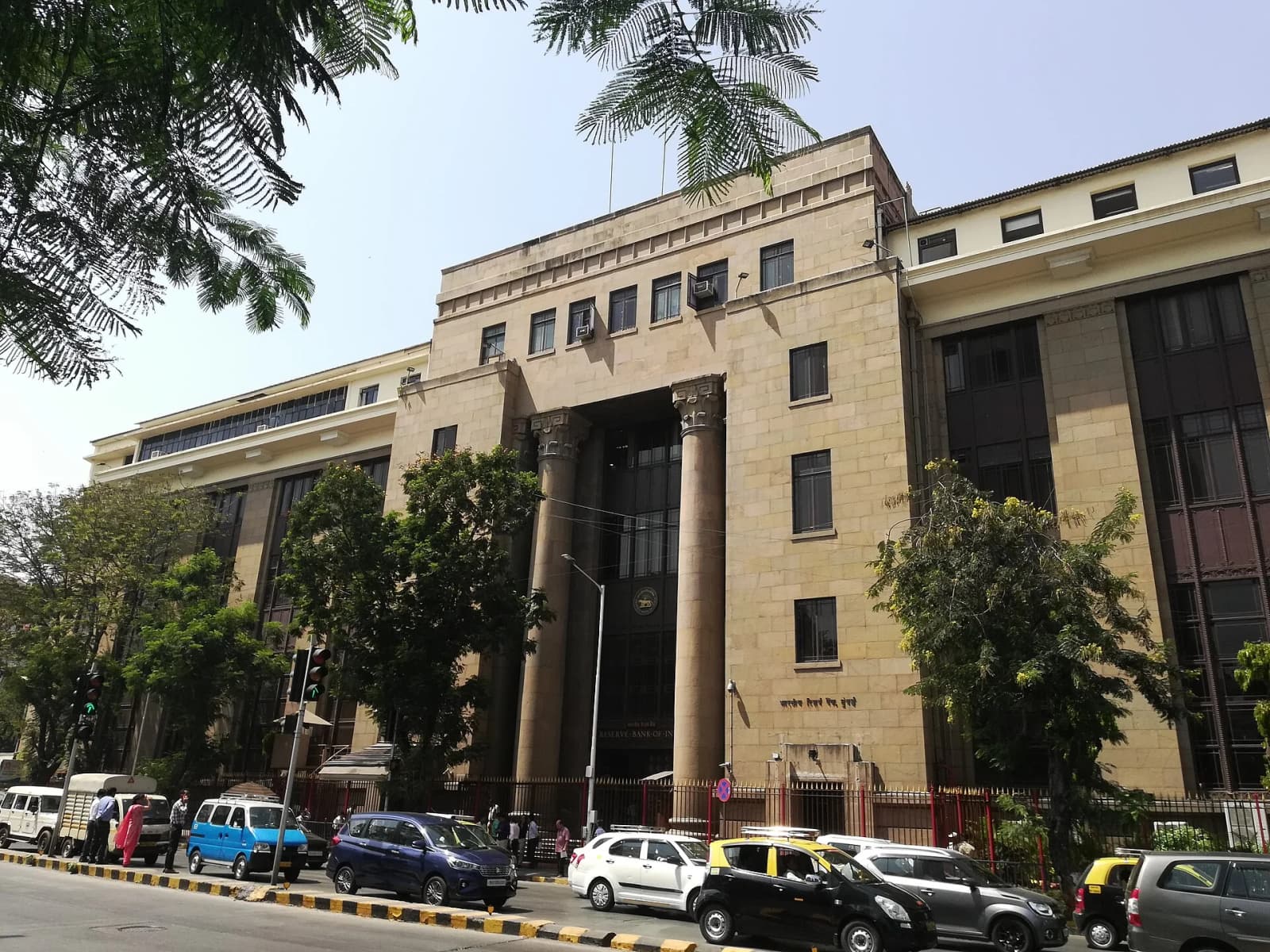
The fall also comes against a tougher interest-rate backdrop. The Reserve Bank of India raised its repo rate to 5.50% on 7 October 2026, according to its monetary policy statement, and most economists in a Reuters poll expect another increase to 5.75% on 4 December. Higher rates generally raise borrowing costs and can weigh on bank and other rate-sensitive shares.
What happens next?
Markets reopen on Wednesday, 25 November, and traders will watch whether the Nifty holds around the 25,300–25,400 zone, according to market reports. Other things to track are bank stocks, global metal prices, foreign investor flows, the rupee and the RBI's policy decision on 4 December.
What is established and what is uncertain?
The closing levels, the size of the fall and the sector-wise losses are established from exchange data reported on the day. The explanations, such as profit-booking, global tech weakness and the expiry effect, are market commentary rather than measured facts, and estimates of the wealth lost vary between about ₹5.2 lakh crore and over ₹6 lakh crore. Whether Monday marks the start of a longer correction is not yet known.
Photo source · Niyantha Shekhar, CC BY 2.0