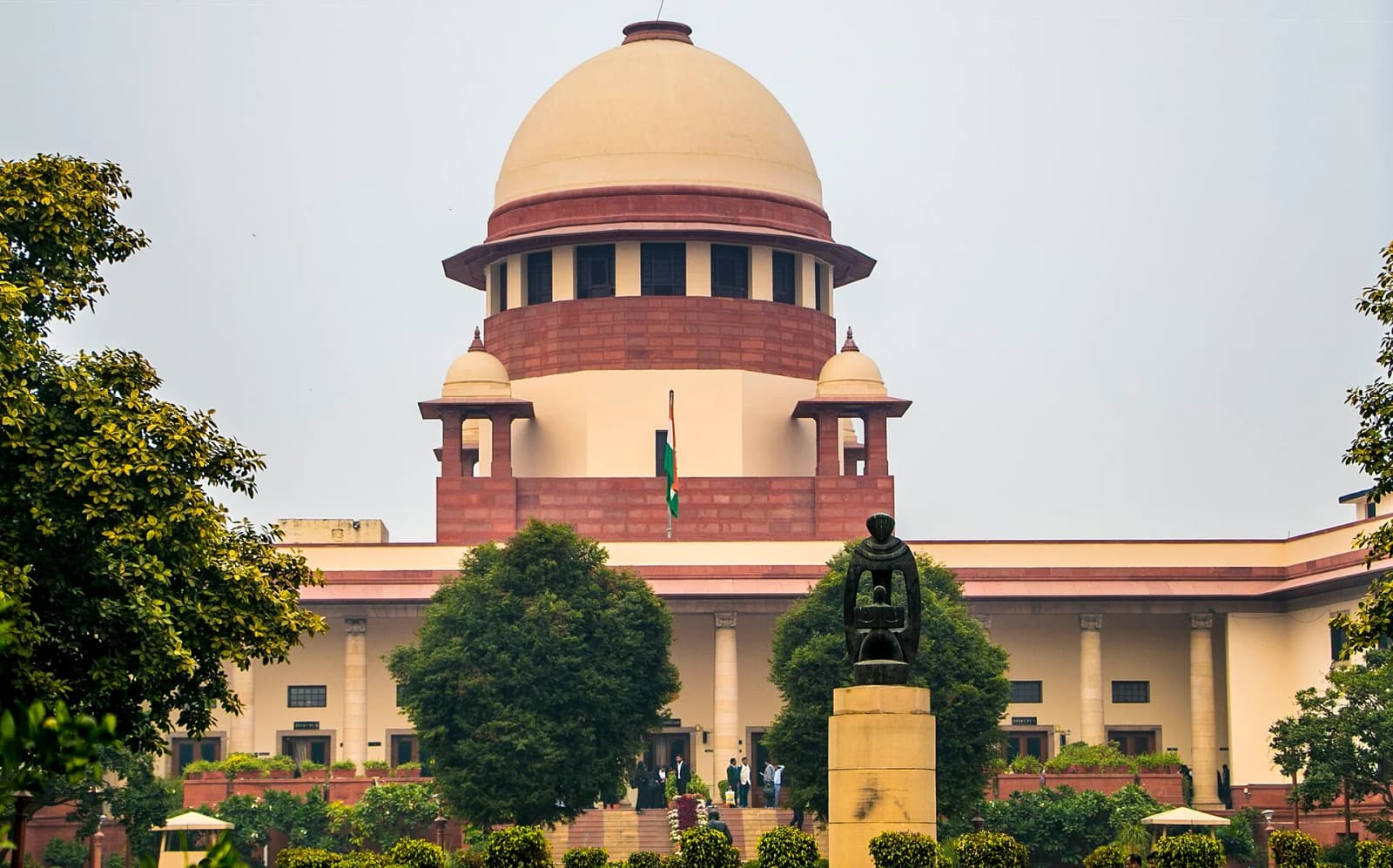
The Supreme Court of India ruled on Thursday, 26 November 2026, that a bench of the Adjudicating Authority under the Prevention of Money Laundering Act (PMLA) must include a judicial member when it finally confirms a property attachment made by the Enforcement Directorate (ED). The ruling, by a bench of Chief Justice of India Surya Kant, Justice Joymalya Bagchi and Justice V Mohana in Union of India v. J Sekar, settles a dispute that had run through several High Courts since at least 2018. MapMyTimes reported the verdict here; this explainer sets out what the authority does, what has changed and what is still open.
What is the PMLA Adjudicating Authority?
It is the body that decides whether property the ED has provisionally frozen in a money-laundering case should stay attached. Under the PMLA, an ED officer can provisionally attach property and must then file a complaint before the Adjudicating Authority. The authority issues a show-cause notice under Section 8(1), hears the person, and under Sections 8(2) and 8(3) decides whether the property is involved in money laundering and whether to confirm the attachment.
Confirmation matters because, as the court noted according to LiveLaw's report of the judgment, it can lead to the government taking possession of the property, possibly until the money-laundering trial ends. Section 6(2) of the Act provides for an authority made up of a Chairperson and two members, but Sections 6(5)(b) and 6(7) allow it to sit in benches of one or two members.
Why is it in the news?
It is in the news because the court has now held that the final decision on confirming an attachment cannot be taken by a bench with no judicial member. According to LiveLaw and Bar and Bench, the main points of the judgment are:
- Adjudication under Sections 8(2) and 8(3) must be done by a bench that includes a judicial member. A single-member bench can do it only if that one member is a judicial member.
- The same requirement applies to related decisions under Section 9 and Sections 20(4) and 21(4), which deal with retention of property and records, according to Bar and Bench.
- Issuing a show-cause notice under Section 8(1) does not need a judicial member; only the hearing and final adjudication do.
- The Chairperson of the authority does not have to be a judicial member, and Sections 6(5)(b) and 6(7) remain valid.
- The court rejected the Centre's argument that the availability of an appeal to a judicial forum makes up for the lack of a judicial member at the first stage.
The court directed the Chairperson to issue an administrative circular under Section 6 so that every bench passing a confirmation order under Section 8(3) includes a judicial member.
How did the dispute reach the Supreme Court?
The question had divided courts for years. According to Bar and Bench, a Delhi High Court Division Bench of Justices S Muralidhar and IS Mehta held in January 2018 that single-member benches need not be judicial; the Supreme Court stayed that judgment in July 2018. In March 2023 a single judge of the Telangana High Court held that such authorities must include legally qualified members, but a Division Bench reversed that in February 2024 in the Karvy Realty case. The appeals decided on 26 November arose from High Court rulings, including the Telangana High Court decision. The Supreme Court had reserved its verdict on 15 September 2026.
Before the bench, Senior Advocate Gopal Sankaranarayanan argued for the petitioners that bodies performing judicial functions must be insulated from executive control, while Additional Solicitor General Anil Kaushik defended the law's allowance of single-member benches, Bar and Bench reported.
How does it affect you?
It mainly affects people and companies whose property the ED has attached, because their attachment can now be confirmed only after a hearing before a bench with a judicial member. For ordinary readers, the ruling is about who gets to decide, at an early stage and before any trial verdict, whether assets can be held by the state.
It does not automatically undo past orders. LiveLaw reported that the judgment applies prospectively and will not reopen pending or decided claims, while Bar and Bench reported that orders already passed by single non-judicial members are not automatically set aside and can be challenged on merits through statutory appeals.
Why is the workload a concern?
The court was worried that a single authority cannot keep up with the volume of cases. Bar and Bench reported that, citing ED data, provisional attachment orders rose from 158 in 2019-20 to 461 in 2024-25 and 712 in 2025-26. The court said a 2009 amendment, which replaced multiple Adjudicating Authorities with a single one, had created an "undesirable, if not unsolvable, lock-jam of cases", and that the 180-day timeline for adjudication under Sections 8(2) and 8(3) adds to the pressure. It urged the Centre to consider reverting to the original framework of multiple authorities, but did not order this itself, saying that doing so would in effect negate the 2009 amendment, which was not under challenge.
What is established and what is uncertain?
Established: the judicial-member requirement for final confirmation, the direction for an administrative circular, and the court's view that the Chairperson need not be a judicial member. Uncertain: how quickly the authority can assign judicial members to every confirmation bench, how cases now pending before non-judicial benches will be listed, and whether the Centre will act on the suggestion to restore multiple authorities. Reports do not give figures for current pendency or vacancies at the authority.
What happens next?
The next step is the Chairperson's administrative circular reorganising benches so that confirmation orders are passed with a judicial member. Any move to create multiple Adjudicating Authorities would need the Centre to act, since the court left that decision to the government. People unhappy with earlier confirmation orders can pursue the statutory appeals available to them.
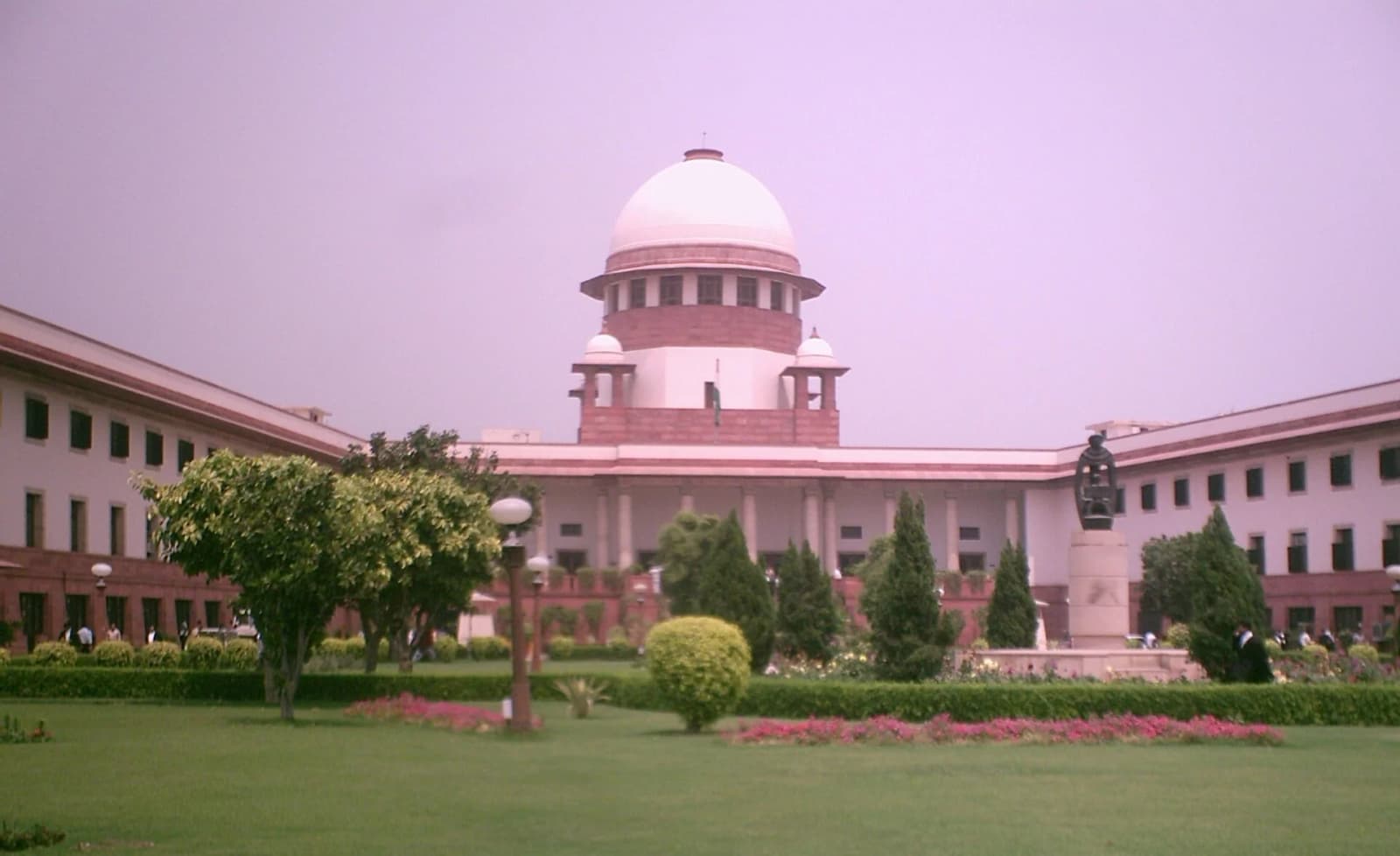
Photo source · Legaleagle86, CC BY-SA 3.0