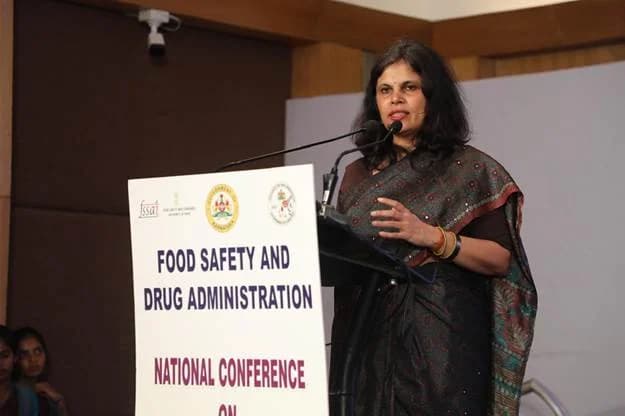
Union Health Secretary Punya Salila Srivastava on 26 November 2026 urged States to strengthen their food and drug regulatory capacity, including through risk-based inspections and greater use of technology, at a National-Level Conference on Food Safety and Drug Administration in Bengaluru, Karnataka.
The conference, held under the theme "Safer Food, Safer Medicine, Healthier Nation", brought together officials of the Government of India, State and Union Territory governments, regulators, public health institutions and enforcement agencies, according to the Ministry of Health and Family Welfare.
What did the Health Secretary ask States to do?
She asked States to send feedback on three tools now being shaped at the national level: the risk-based inspection mechanism of the Food Safety and Standards Authority of India (FSSAI), the State Health Regulatory Excellence Index (SHRESHT), and the planned Digital Drug Regulatory System (DDRS), the ministry said.
Ms. Srivastava described food and drug regulators as the "vanguards of public health" and said they must work effectively and with integrity while balancing public health protection with ease of doing business. She called for regulators to focus on essential requirements and for closer coordination between Central and State authorities.
What changes on food safety?
On food, she said regulation should go beyond stopping adulteration and the sale of unsafe food and should also promote healthy eating and better nutrition. She pointed to the perpetual validity of food safety licences and said this puts greater responsibility on regulators to carry out effective monitoring and robust, risk-based inspections.
Sessions at the conference reviewed how the Food Safety and Standards Act, 2006 is being implemented, with attention to inspections, surveillance, food testing and enforcement, as well as emerging issues linked to e-commerce, novel foods and consumer trust, according to the ministry.
What is proposed for drug regulation?
For medicines, the Health Secretary highlighted a proposed sub-national assessment framework, aligned with World Health Organization (WHO) maturity-level parameters, to measure the capacity and performance of State drug regulatory systems. She described SHRESHT as a virtual assessment tool and asked States to review it.
She also called for more transparency and accountability in clinical trials, including in the work of Contract Research Organisations (CROs). Drug-safety sessions discussed action against spurious and adulterated medicines, inter-State coordination on narcotic drugs and psychotropic substances, more uniform licensing, and compliance with good manufacturing and distribution practices under the Drugs and Cosmetics Act, 1940, the ministry said.
Why it matters
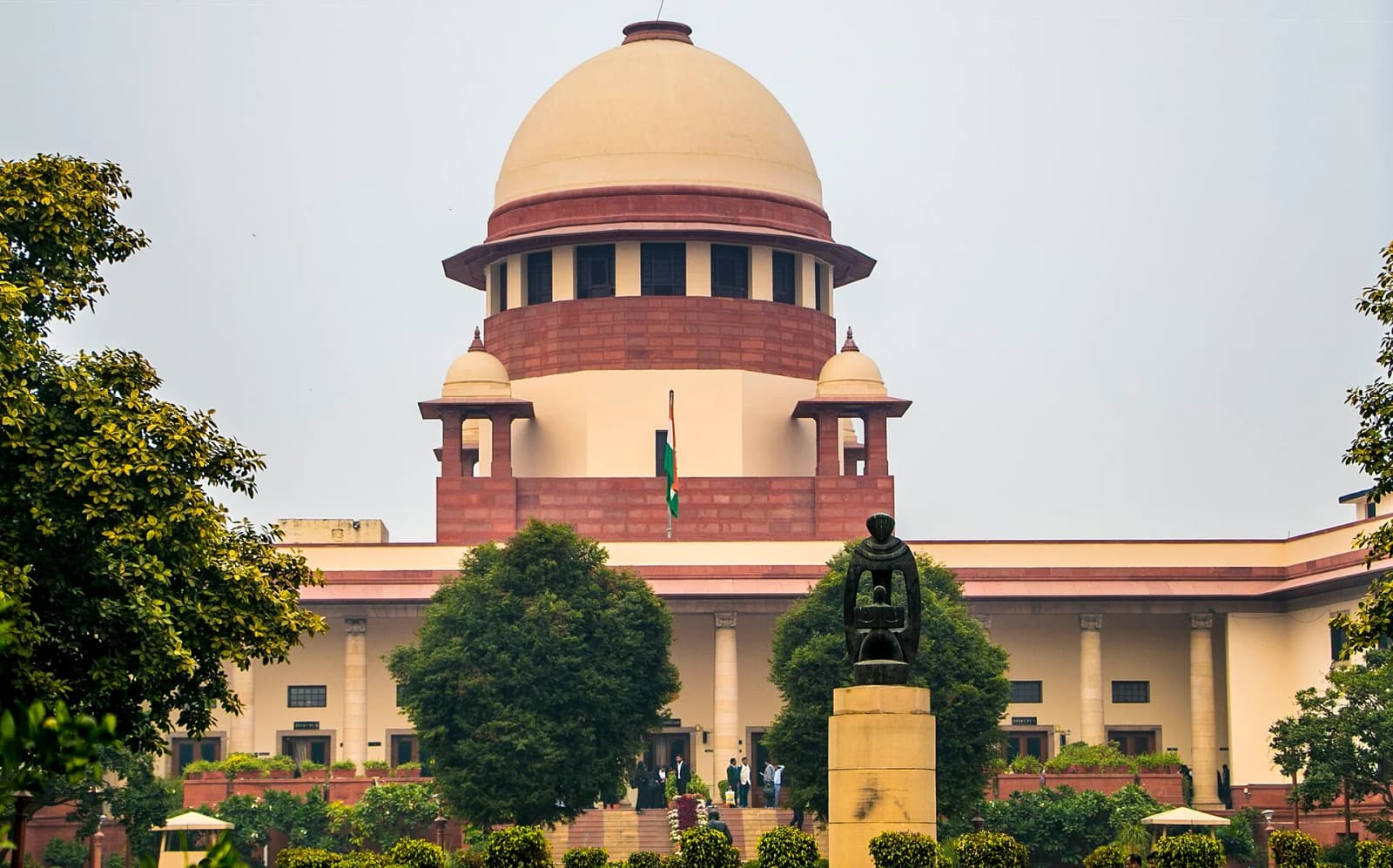
The conference's own framing was that access to safe food and safe, quality-assured medicines is fundamental to preventing avoidable illness and keeping consumer confidence, and the Health Secretary placed much of the burden for that on State inspection systems. The conference comes as food regulation is under wider scrutiny, including a recent Supreme Court order on warning labels for packaged foods and State-level actions such as food safety raids in Morena, Madhya Pradesh.
What happens next?
The ministry's release did not give a timeline for finalising the sub-national assessment framework, SHRESHT or the Digital Drug Regulatory System, and did not say which States attended. Those details will depend on the State feedback the Health Secretary has sought.