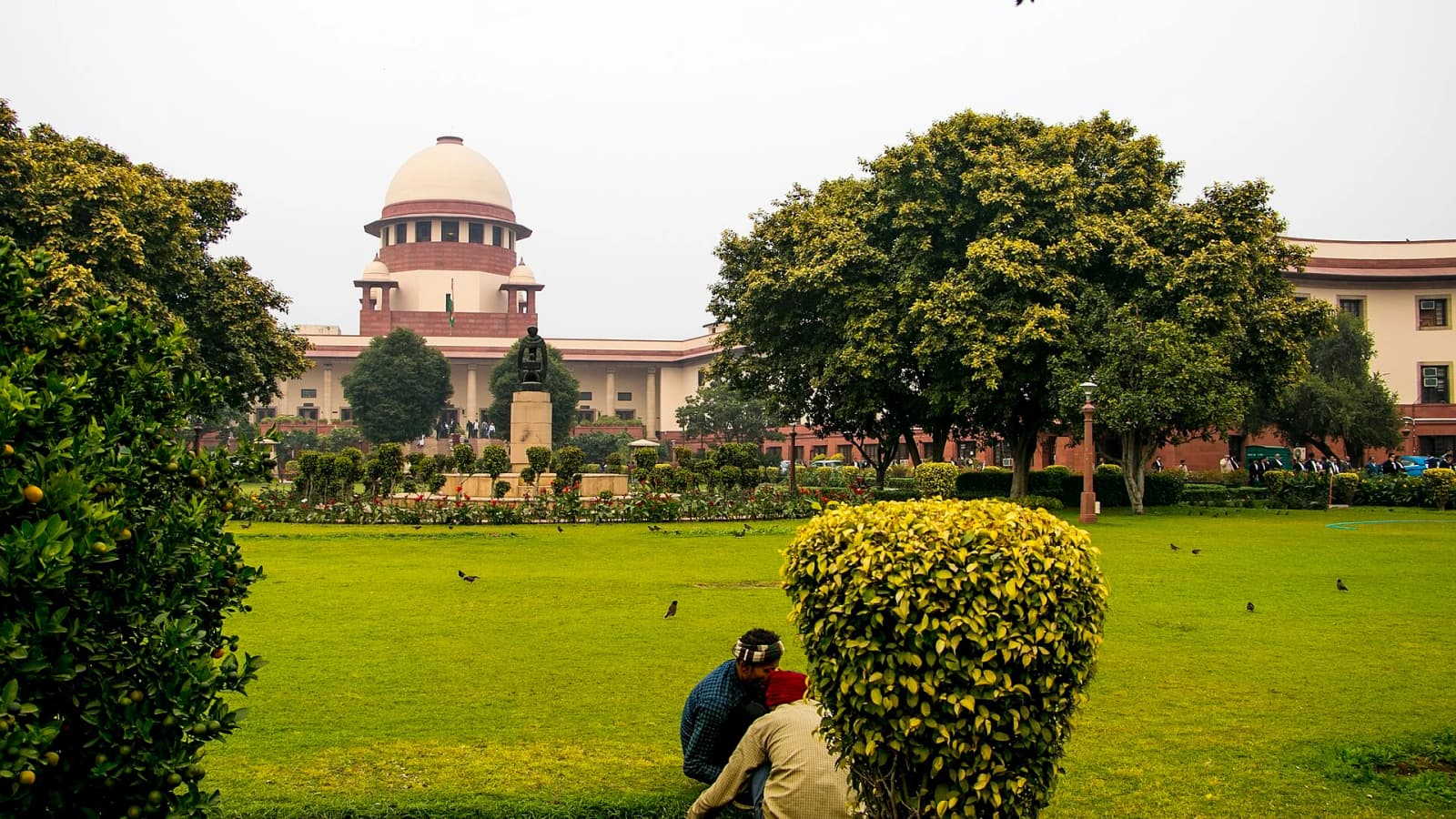
Former Chief Justice of India B.R. Gavai has written to President Droupadi Murmu alleging that recent recommendations of the Supreme Court collegium for appointing and transferring judges show a disregard for diversity and merit, and has asked her to intervene. The three-page letter, reported on 27 November 2026 in New Delhi, was also copied to Prime Minister Narendra Modi and Union Law Minister Arjun Ram Meghwal.
According to a detailed report by legal news website LiveLaw, Gavai flagged what he called "a growing disregard for diversity, inclusion and merit in judicial appointments and transfers." He said candidates from "one particular section of society" were being favoured, without naming the community.
What exactly did Justice Gavai tell the President?
He told the President that the higher judiciary is drawing its judges from too narrow a social base, and that the collegium's recent choices have made the problem worse. As reported by The Tribune, he described the recommendations as showing a "complete disregard" for merit and inclusiveness and said the situation was "increasingly becoming unforgivable."
Gavai also wrote that he was not opposed to candidates from forward communities being considered, according to the reports. He described himself as writing as "a concerned citizen", and noted that his own role as a former collegium member was "now questionable".
The numbers cited in the letter
- Of 715 High Court judges appointed since 2018, 22 were from Scheduled Castes, 16 from Scheduled Tribes, 89 from Other Backward Classes (OBCs) and 37 from minority communities, according to a Rajya Sabha reply by Meghwal in March 2025 that Gavai relied on.
- Between January 2021 and January 2026, forward communities accounted for close to 80% of appointments, while OBCs, whom he estimated at 40 to 50% of the population, received under 14%.
- A community making up less than 5% of the population had secured over 40% representation in the Supreme Court in the recent past, he wrote.
- He also cited a study by scholar George Gadbois finding that one community held more than a third of Supreme Court judgeships between 1950 and 1989.
Gavai argued that because caste is not recorded for Supreme Court appointments, the silence on the subject was itself part of the problem, The Tribune reported.
Transfers of High Court Chief Justices questioned
The letter questions specific transfers and elevations without naming the judges involved. LiveLaw reported that Gavai referred to a Chief Justice who was moved to a smaller High Court and later recommended to head a prominent one, while another Chief Justice he described as meritorious was shifted to make room. He said he was part of the collegium for one decision and headed it for the other, and that he knew the reasons but would not disclose them "on account of propriety and judicial discipline."
Why does this letter matter?
It is unusual for a former Chief Justice to publicly ask the President to step into the collegium process. Gavai cited Article 124(2) of the Constitution, which vests the appointment of Supreme Court judges in the President, and argued that the collegium's primacy by convention does not make it unaccountable. He called the executive an "equal stakeholder" in appointments and transfers.
Gavai retired as Chief Justice on 23 November 2025 and was succeeded by Chief Justice Surya Kant, The Tribune noted. He was the first Buddhist and the second Dalit to hold the office, after K.G. Balakrishnan.
The letter comes days after President Murmu herself spoke about judicial accountability and case pendency at the Supreme Court's Constitution Day event. Read our earlier report on her remarks.
What is not yet known
As of the morning of 28 November 2026, none of the reports reviewed carried any response from Rashtrapati Bhavan, the Union government, the Supreme Court collegium or Chief Justice Surya Kant. The letter's allegations have not been independently tested, and it is not yet clear whether the President's office will act on it or how the collegium will respond.
Photo source · Subhashish Panigrahi, CC BY-SA 4.0