Epsilon Advanced Materials announced Epsil, a silicon-blended graphite anode material for electric-vehicle batteries, on November 4. The Mumbai-based company is targeting battery manufacturers seeking higher energy density without increasing pack size.
PTI reported the company’s statement that Epsil offers reversible capacity of 600–650 milliampere-hours per gram, compared with 340–360 for conventional graphite anodes. These are company-reported material specifications, not an independently verified vehicle-range test.
Epsilon says the material could increase driving range by up to 30%, or allow smaller battery packs while maintaining existing range. Autocar Professional reported that outcomes would depend on cell chemistry, silicon loading, electrode and pack design, and the vehicle itself.
The company also says Epsil is designed for compatibility with existing cell-production lines and to manage silicon’s expansion during charging. Managing that movement is part of the challenge in using silicon-based battery materials.
The announcement introduces a material for battery development. It does not establish that the claimed range improvement is available in a named production vehicle.
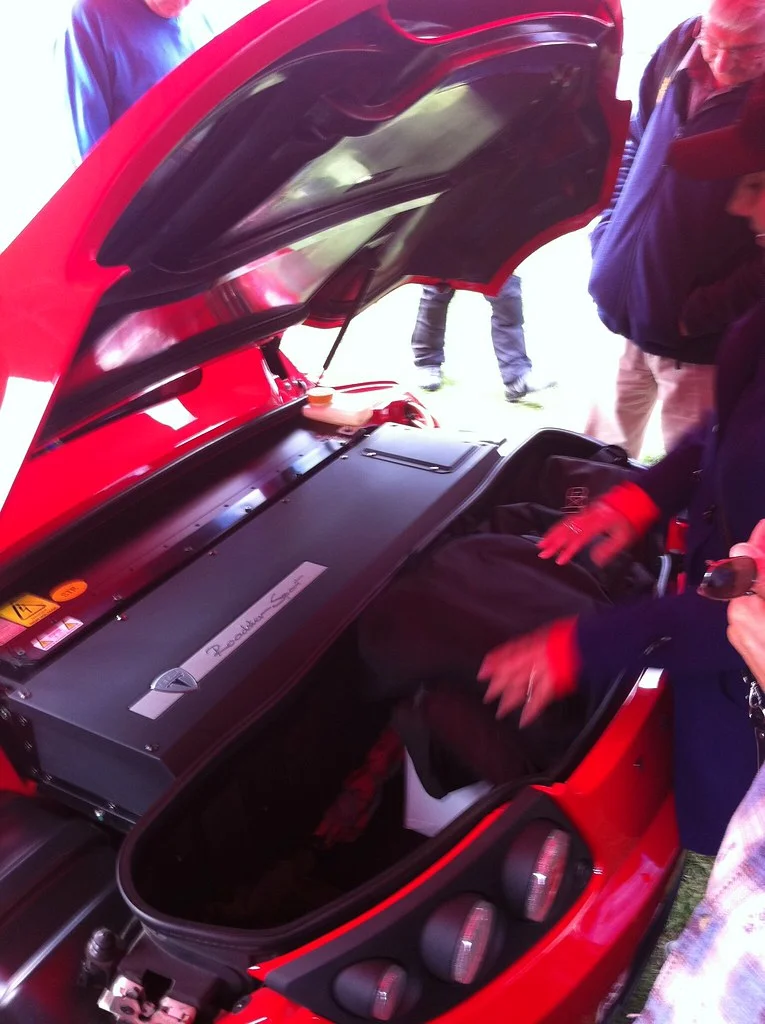
Archive illustration of a Tesla Roadster battery compartment; not Epsil material or an Epsilon test vehicle. Photo: The battery of a Tesla Roadster by PaulWay, CC BY-SA 2.0. Display may be resized or cropped.