NHS England on Saturday, 28 November 2026, urged parents whose children missed their flu vaccine at school to book a catch-up dose at a high street pharmacy, an option being offered for the first time this winter. The appeal came a day after the UK Health Security Agency (UKHSA) reported that hospital and intensive care admission rates for flu in England had risen by almost 80% in a single week.
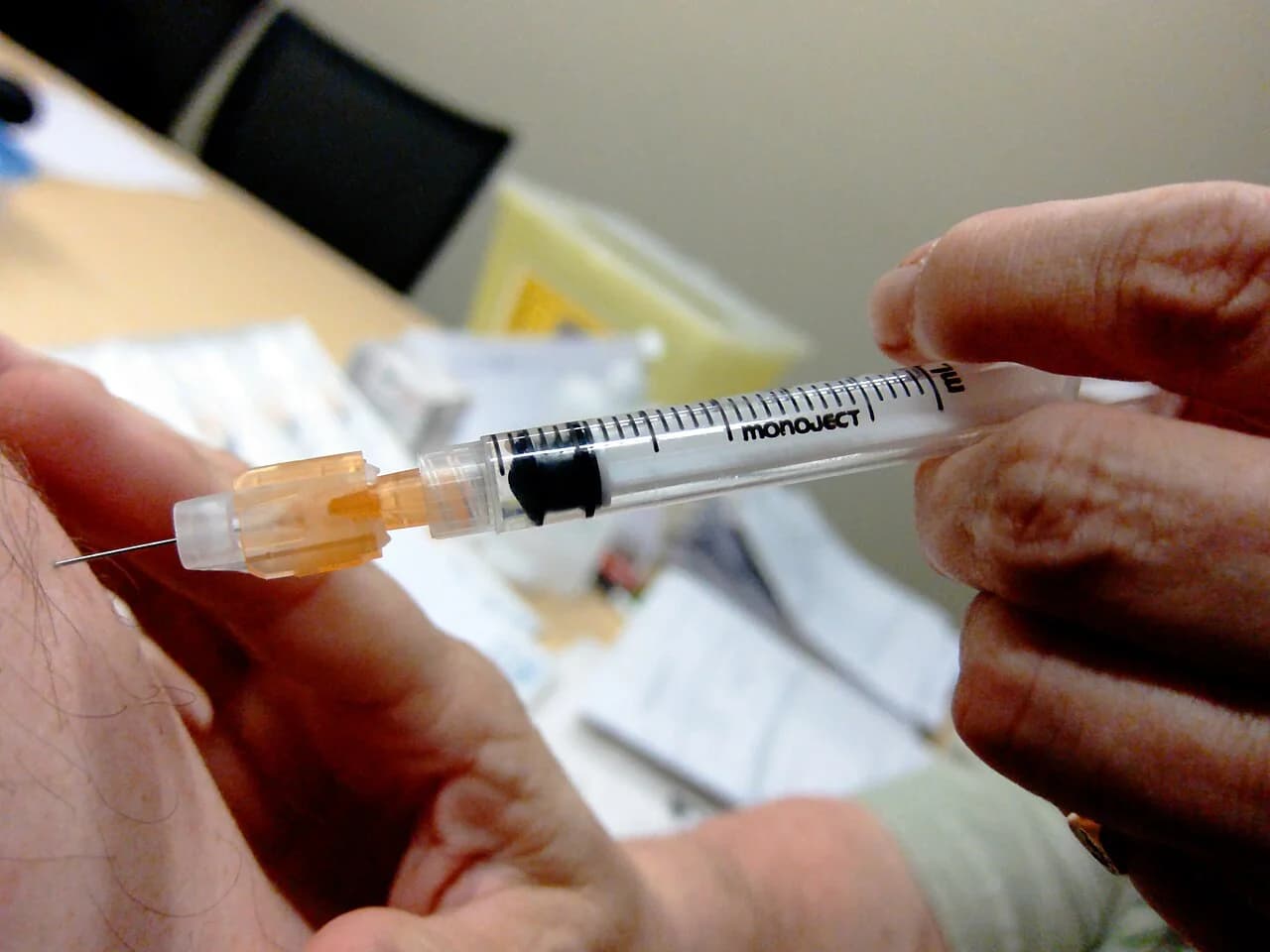
According to the NHS England announcement, more than 6,100 community pharmacies across England will offer flu vaccine appointments for school-aged children. Booking opens on Monday, 30 November, through the NHS App or the NHS Find a Pharmacy webpage, and appointments begin on Tuesday, 1 December. Parents whose children are recorded as unvaccinated will also receive invitations from Tuesday.
Who can get the catch-up vaccine at a pharmacy?
School-aged children who did not receive their flu vaccine through the NHS schools programme can now be vaccinated at participating pharmacies. NHS England said more than 3.5 million children, from reception classes to Year 11, had already been vaccinated in schools this season, the highest total in four years, but that thousands more may have missed out through absence or other reasons. The same pharmacies are offering the nasal spray vaccine to children aged two and three, so families can bring younger siblings at the same time.
Professor Frankie Swords, NHS National Medical Director, said winter viruses such as flu were rising again and putting pressure on the NHS. She called the pharmacy option a new way to protect children, families and communities in the run-up to Christmas.
How fast is flu rising in England?
Flu is rising sharply: in a release published on 27 November, UKHSA said hospital and intensive care admission rates had increased by almost 80% that week. The BBC, reporting the agency's data, said admission rates were at their highest for this point in the year since before the Covid-19 pandemic.
Uptake among people at higher risk is lagging. UKHSA said almost 9.5 million people under 65 in clinical risk groups are eligible for a free vaccine, but only 34.1% had received one by 22 November, leaving almost 7 million unprotected. Uptake among adults aged 65 and over stood at 67.6%, which the agency described as behind where it should be. Other figures in the release included:
- Pregnant women: 34.9% (week ending 22 November)
- Children aged two and three: 39.2% (week ending 22 November)
- School-aged children: 32.1% (September to October)
- Frontline healthcare workers: 33.9% (September to October)
The agency said that for some clinical groups the relative risk of death from flu compared with the general population is far higher, reaching 48 times greater for people with chronic liver disease.
What are health leaders saying?
Dr Suzanna McDonald, who leads UKHSA's flu programme, said flu levels were sharply increasing, with more people being admitted to hospital and intensive care. She told the BBC that the H1N1 strain was driving the spread. Dame Diana Johnson, Minister of State for Public Health and Patient Safety, said flu was not just a bad cold and urged eligible people to come forward before the holiday season.
Speaking at the NHS Alliance autumn conference, Sir Jim Mackey, the outgoing chief executive of NHS England, told delegates he believed more hospital beds were occupied by flu patients than at the same time last year, and that some hospitals had reintroduced mask-wearing, the BBC reported.
Patient groups echoed the call. Kidney Care UK said people with stage 3 to 5 chronic kidney disease were 19 times more likely to die from flu, while Asthma + Lung UK said people with lung conditions were seven times more likely to die from it.
Why it matters and what comes next
An early, steep rise in flu cases ahead of Christmas could add to pressure on hospitals that are already busy in winter. Health officials have not said when this season's wave is likely to peak. The pharmacy catch-up offer for schoolchildren opens for booking on 30 November, and UKHSA is expected to keep publishing weekly surveillance and vaccine uptake data through the season. Winter respiratory viruses can also worsen existing conditions, as a recent study on how the common cold triggers asthma flare-ups showed.
Photo source · Daniel Paquet from Regina, Canada, CC BY 2.0