An Indian maker of electric auto-rickshaws, the Himalayan kingdom of Bhutan, a Pacific island's ocean fund, a French campaign against "forever chemicals" and a Danish wind-power company were named winners of the 2026 Earthshot Prize in Mumbai on Tuesday, 17 November. Each receives £1 million, the prize organisers said. It was the first time the awards, founded by Britain's Prince William, were held in India, and the ceremony was the centrepiece of a three-day visit by William and Catherine, the Princess of Wales.
What happened
The awards night took place in Mumbai before about 5,000 guests, according to the Earthshot Prize's own announcement, which described it as the largest ceremony in the prize's six years. Filmmaker Karan Johar hosted. The organisers listed Sachin Tendulkar, Alia Bhatt, Sonam Kapoor and Rami Malek among those taking part, with performances by Shreya Ghoshal, the Indian all-women hip-hop group Wild Wild Women and the British band Take That, which the organisers said was performing in India for the first time.
The five winners, by category, are:
- Clean Our Air — Mahindra Last Mile Mobility (India): the organisers said the company has sold more than 400,000 electric rickshaws and aims to put one million electric vehicles on Indian roads by 2030.
- Protect and Restore Nature — Bhutan: recognised for forests that protect Himalayan water systems which, the prize said, sustain 1.6 billion people downstream in South Asia.
- Revive Our Oceans — Niue Ocean Wide Trust (Niue): a funding model from an island of about 1,700 people that protects an ocean area the prize described as larger than the United Kingdom.
- Build a Waste-Free World — PFAS-Free France (France): a cross-party movement that, the prize said, helped secure France's 2025 law phasing out many uses of PFAS chemicals.
- Fix Our Climate — Ørsted (Denmark): a former coal-heavy utility that became an offshore wind company.
"Change is not only possible. It is already happening," Prince William said, according to the Earthshot Prize statement. He called young people "the torchbearers of a global movement".
Background and timeline
William set up the prize through his Royal Foundation in 2020 to back people working on environmental problems, the Associated Press (AP) reported. Five winners are picked every year from 15 finalists, across five goals the prize calls "Earthshots". The organisers said the winners were chosen by William and the 13-member Earthshot Prize Council.
- 6 November: the prize announced an India Advisory Council to help scale up Indian environmental solutions, according to its statement.
- 16 November: William and Catherine arrived in Mumbai. AP reported that they rode a metro train and joined a game of street cricket in the Ballard Estate area. The Earthshot summit also opened that day.
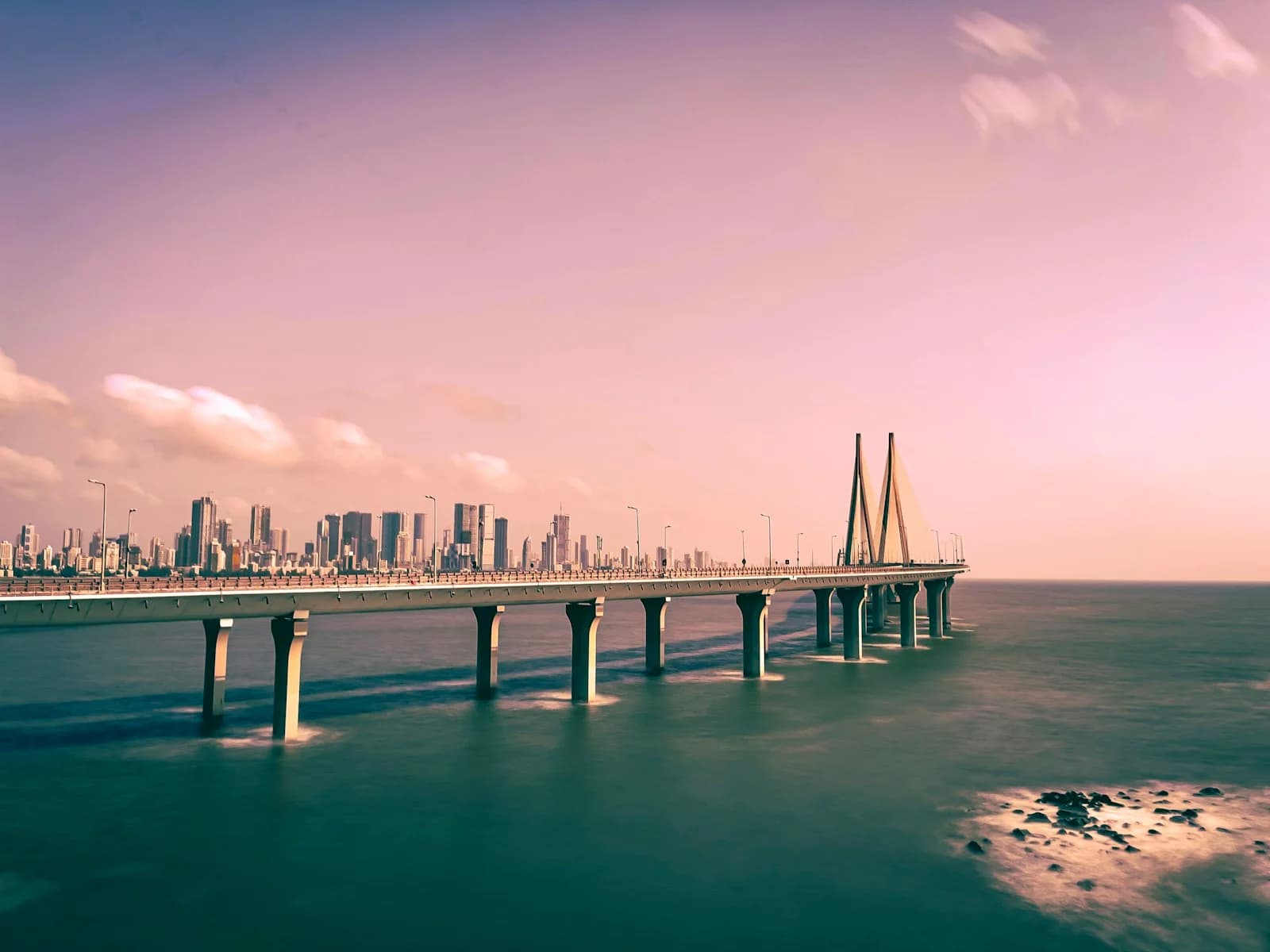
- 17 November: William drove a Mahindra electric rickshaw to the Bandra-Worli Sea Link promenade to meet the finalists, and the couple attended the first Children's Earthshot Awards for Indian students aged 9 to 17, according to Hello! magazine's live report. The awards ceremony followed in the evening.
- 18 November: AP reported that the couple were scheduled to meet Prime Minister Narendra Modi in New Delhi.
AP noted that this is the couple's first overseas trip together since Catherine's cancer diagnosis in 2024; she said in January 2025 that she was in remission. The two last visited India a decade ago, when they also met Mr Modi.
The numbers behind the winners
Most of the figures come from the prize organisers or the winners themselves. According to the Earthshot Prize:
- Bhutan, a country of about 800,000 people, aims through its national coalition Restore Bhutan to restore 50,000 hectares of land by 2030, save nearly 2 million tonnes of carbon dioxide and secure 133 billion litres of water.
- The Niue trust's model has raised fish numbers by 60%; it wants to raise a further US$10 million by 2028 towards a permanent US$18 million fund.
- Ørsted has cut its direct carbon emissions by more than 98% and aims to complete 8.1 gigawatts of new offshore wind by 2030.
- Since 2020, past finalists have together avoided or captured more than 18 million tonnes of carbon dioxide and protected or restored 58 million hectares of land.
Different perspectives
The organisers present the winners as proof that solutions already exist. William, in a social media post quoted by AP, said: "India has made an extraordinary contribution to Earthshot." AP reported that India has more Earthshot finalists and winners than any other country.
A more cautious reading came from the technology news site Tech Times, which examined each winner. It pointed out that Ørsted's 98% figure is the company's own and not an independent audit, that Mahindra's vehicles rely on battery cells imported from China and South Korea, that Niue has very little capacity to patrol the waters it protects, and that France's PFAS law left out cookware. It also noted that several deals announced around the awards involved the prize's own corporate partners. The Earthshot statement did not address these points.
What it means for Indian readers
The most direct effect is on city transport. The prize said the money will help Mahindra Last Mile Mobility expand its electric rickshaw rollout in Mumbai, Ahmedabad, Bengaluru and Delhi. For drivers, running cost is the main question: Tech Times cited a 2025 estimate by the Council on Energy, Environment and Water that petrol three-wheelers cost more than twice as much per kilometre over their lifetime. The same report, citing the news agency AFP, said more than half of the new three-wheelers sold in India in September 2026 were electric, compared with 8.5% of cars.
Bhutan's win also touches India: the prize links the country's forests to rivers that feed South Asia, and Tech Times noted that hydropower sold to India is Bhutan's largest export. A second Indian organisation, the Mahila Housing Trust, was among the finalists in the climate category, the prize's website shows.
What is established and what is uncertain
Established
- The names of the five winners and their categories — published by the Earthshot Prize and reported identically by AP.
- The prize of £1 million each, the date and the host city.
- That William and Catherine attended and that this was the prize's first ceremony in India.
Uncertain or not independently confirmed
- The impact figures. Sales, emissions and fish-stock numbers are claims by the winners or the prize; no outside verification was cited.
- Who exactly won the nature prize. The prize's winners list and AP name the country "Bhutan"; Tech Times calls the winner "Restore Bhutan", the coalition named in the prize's description.
- Next year's host. Hello! magazine reported William saying "Big year next year, Australia!" at the ceremony. The prize's official statement names no 2027 host.
- The Modi meeting. It was scheduled for Wednesday according to AP; at the time of writing there was no official account of whether it had taken place or what was discussed.
- How the prize money will be spent. Only broad plans have been made public.
What happens next
The royal visit was due to end on Wednesday, 18 November. The ceremony will be shown on Prime Video from 30 November in more than 240 countries and territories, the organisers said. The winners also get access to the prize's network of partner companies and funders. Their own deadlines run to 2030: one million Mahindra electric vehicles, 50,000 hectares restored in Bhutan, and full implementation of the French PFAS law.