India has proposed four areas in which it wants to work more closely with small island developing states (SIDS) on protecting coasts and oceans, Union Environment, Forest and Climate Change Minister Bhupender Yadav said at the COP31 climate conference in Antalya, Türkiye, on Tuesday, 17 November 2026.
According to a statement from the Environment Ministry, Mr Yadav was addressing a high-level ministerial event on an India–SIDS partnership for resilient coasts and oceans, focused on sharing knowledge, technology and solutions. The event was organised by The Energy and Resources Institute (TERI) and the ministry in partnership with the International Solar Alliance (ISA).
The four priorities
The ministry said Mr Yadav identified these areas for stronger cooperation:
- Coastal risk assessment: joint work on assessing coastal risks, monitoring shorelines and early warning systems.
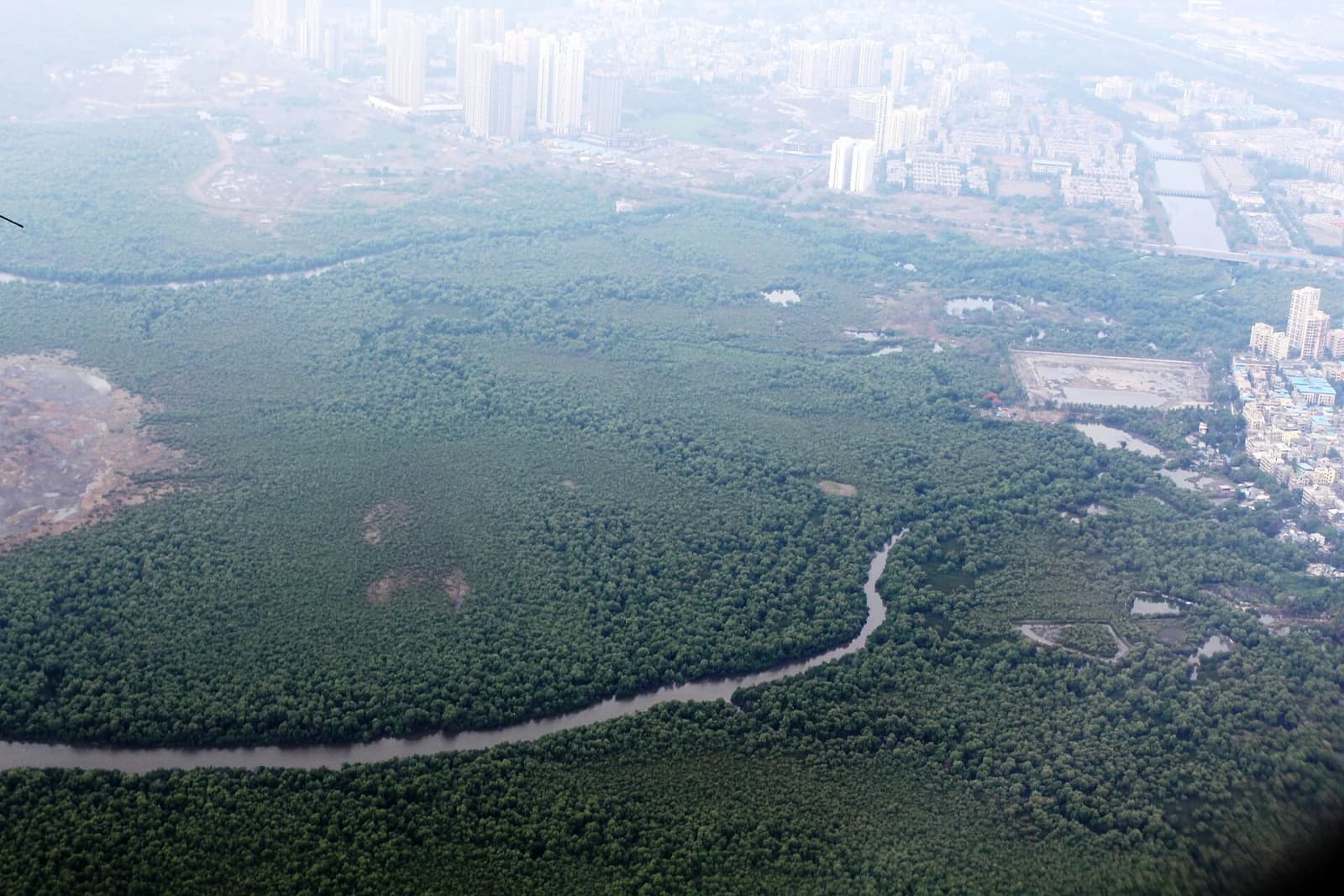
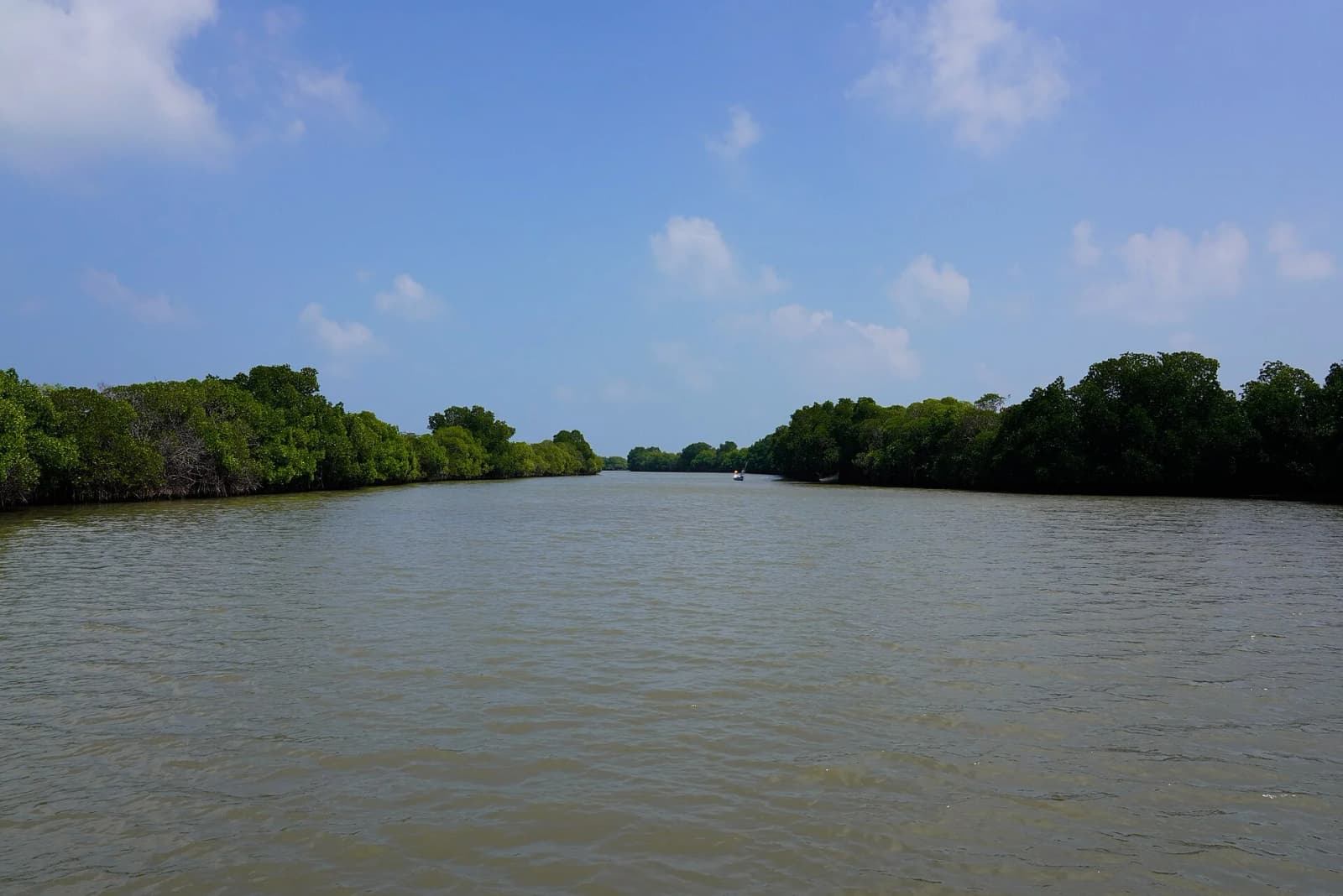
- Ecosystem restoration: ecosystem-based approaches covering mangroves, coral reefs and seagrass, wetland restoration and sustainable management of coastal and marine resources.
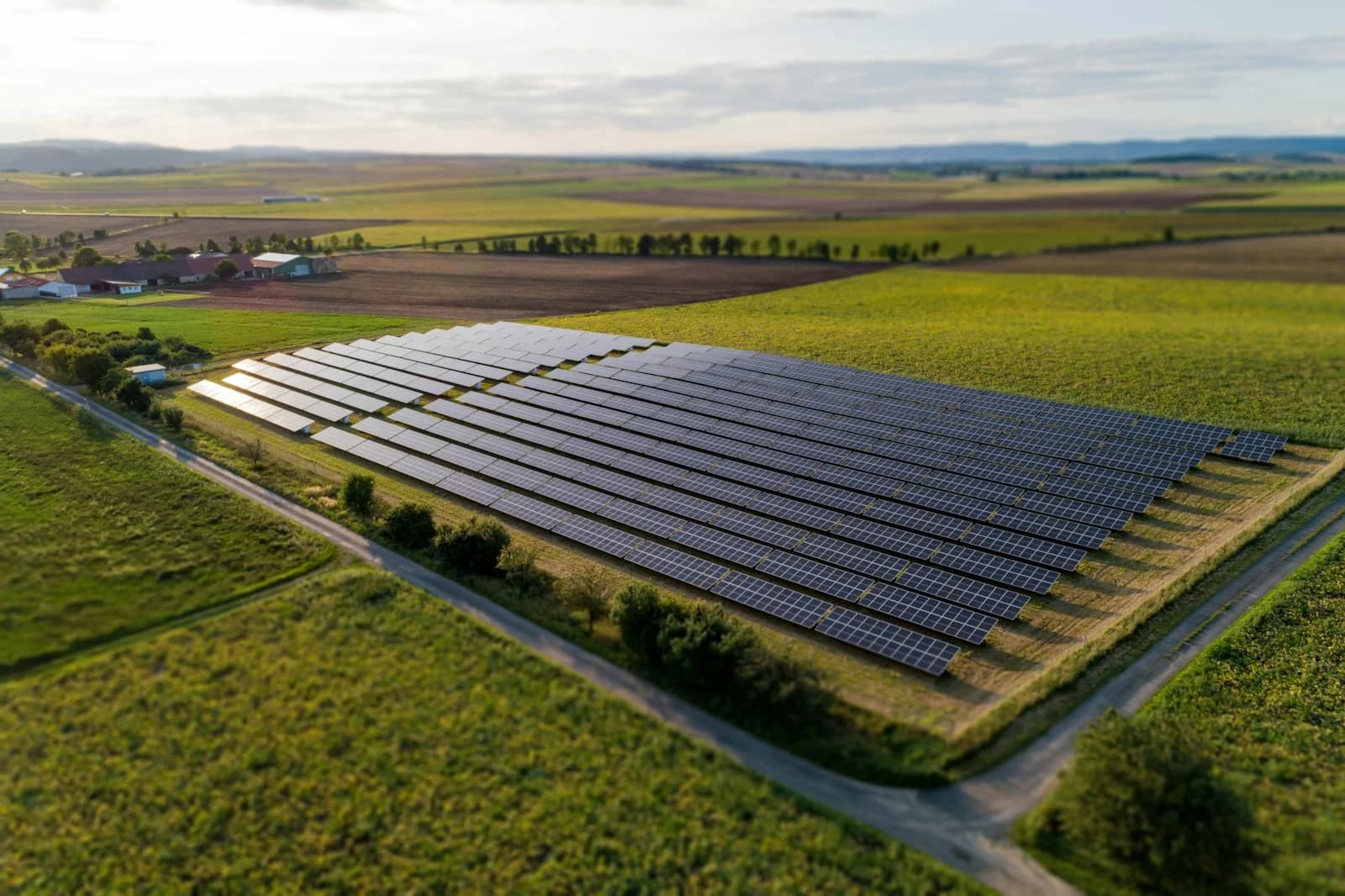
- Renewable energy and technology: technology partnerships suited to island conditions, including solar-powered solutions, decentralised renewable energy, water security and climate-resilient infrastructure.
- Capacity building: institutional partnerships and training to help prepare joint projects and support country-led pilot initiatives.
The minister said cooperation should follow each country's own priorities and national circumstances, with solutions shaped to its geography, ecosystems and institutional capacity, the statement said.
What India says it can offer
Mr Yadav referred to India's coastline of about 11,099 km and its work on scientific assessment, ecosystem conservation, shoreline management and disaster preparedness, according to the ministry. He cited the Mangrove Initiative for Shoreline Habitats and Tangible Incomes (MISHTI), which combines mangrove conservation and restoration of coastal habitats with support for coastal livelihoods.
He also pointed to India's experience with coastal assessment, ocean forecasting and early warning systems, and named work done in Odisha and Andhra Pradesh as especially relevant for exchanges with island states.
The statement said India is seeking to deepen cooperation on renewable energy, disaster preparedness, resilient infrastructure and locally suited adaptation through the ISA, the Coalition for Disaster Resilient Infrastructure (CDRI), the Infrastructure for Resilient Island States (IRIS) initiative and the Forum for India–Pacific Islands Cooperation (FIPIC).
Threats facing island states
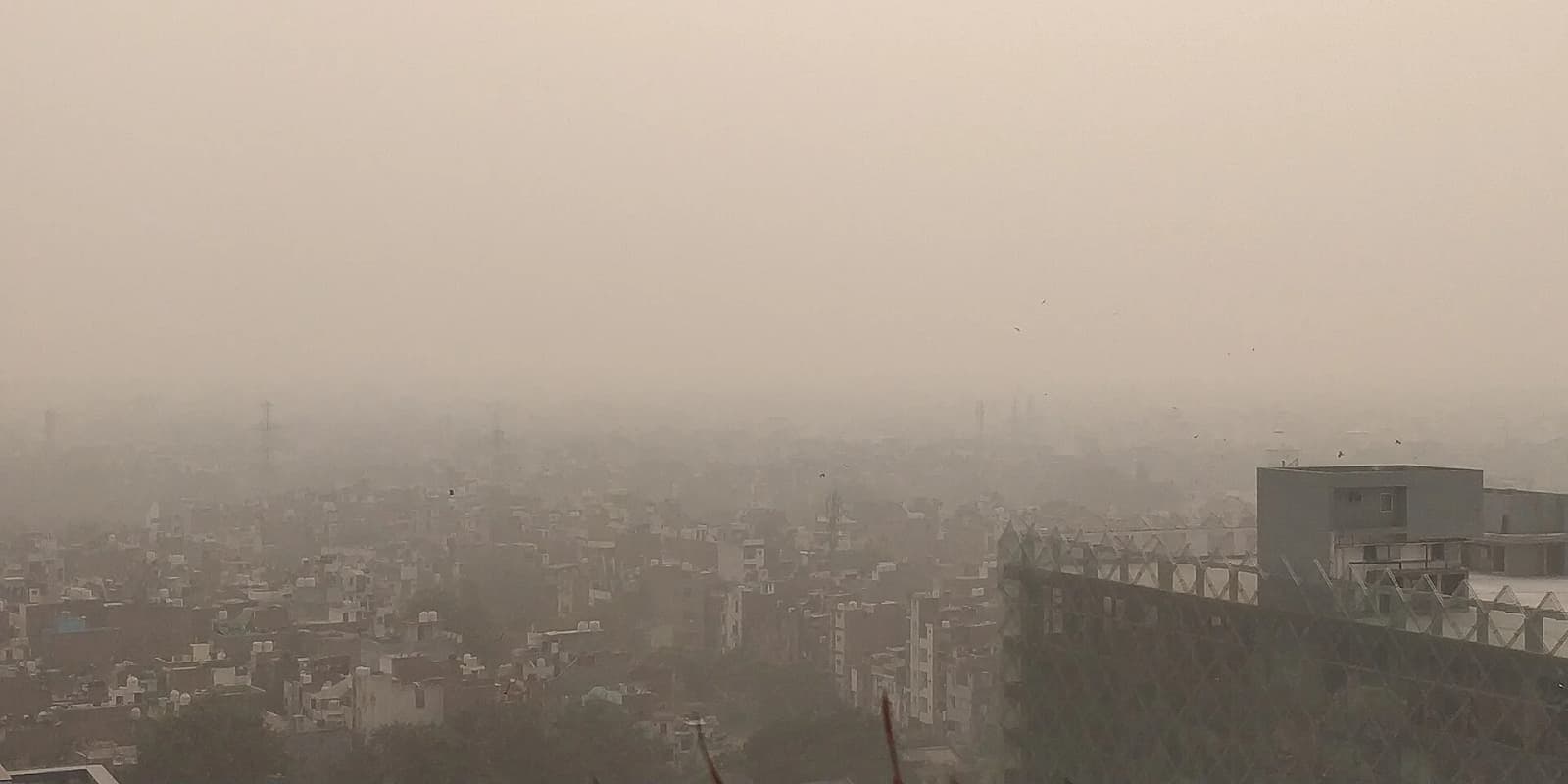
Mr Yadav listed sea-level rise, coastal erosion, ocean warming, coral bleaching, stronger storms and marine pollution as immediate concerns for island countries. He said these were affecting homes, infrastructure and livelihoods and, in some cases, the long-term habitability of their territories, the ministry said.
He added that learning should run in both directions: as custodians of exceptional marine biodiversity and traditional knowledge, island states have valuable experience of adapting to changing ocean conditions.
Who took part
Ministerial-level representatives of Mauritius, Kiribati and the Marshall Islands attended, along with a senior official of the Government of Fiji and representatives of TERI and the ISA, the ministry said.
The statement did not announce any funding, agreement or timeline. Mr Yadav said he was confident the dialogue would help identify concrete opportunities and build partnerships that continue beyond the meeting, and called for moving "from dialogue to action".
PS · Satdeep Gill, CC BY-SA 4.0