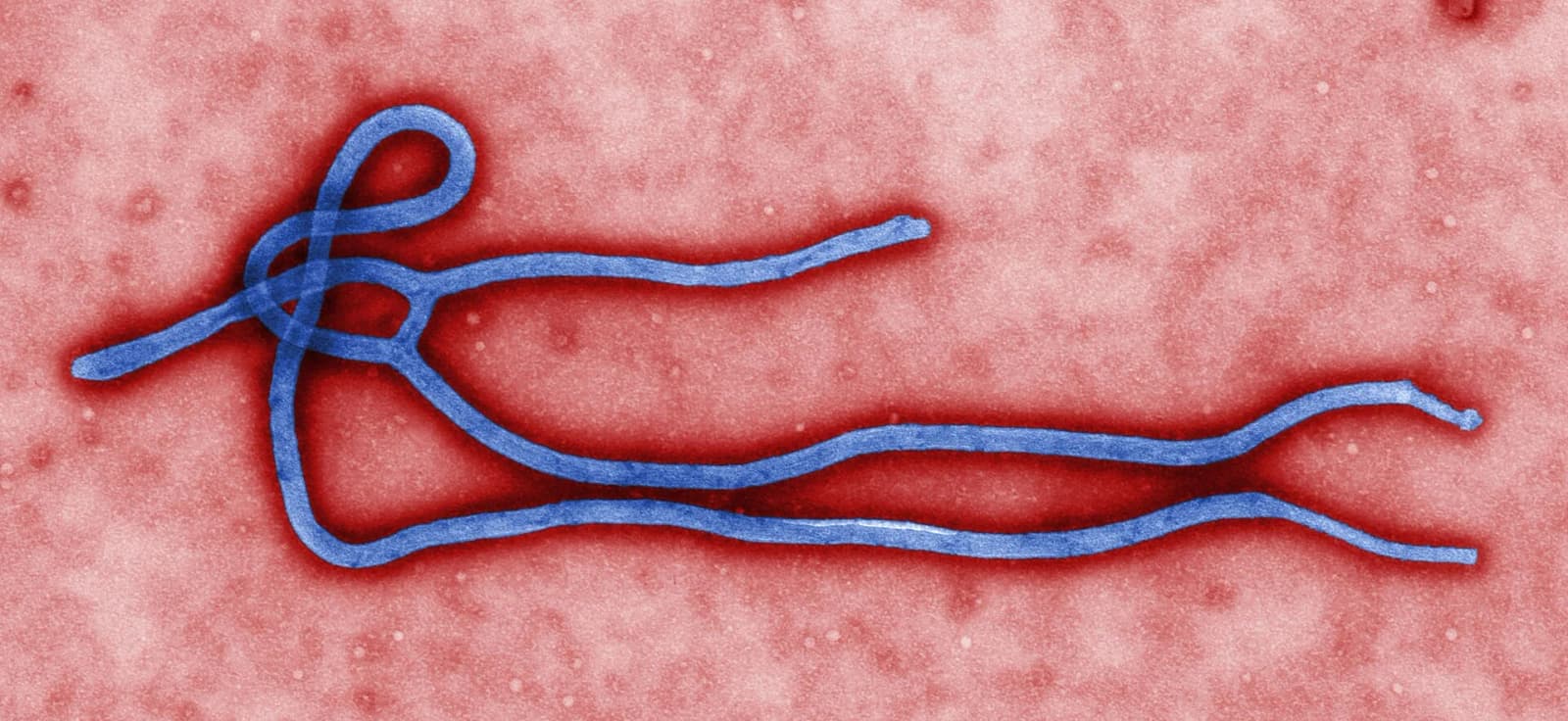
Six months after it began, the Ebola outbreak in the Democratic Republic of the Congo (DRC) has caused more than 11,000 reported cases and 5,400 deaths and is still spreading, five health and humanitarian agencies said in a joint statement on 15 November 2026.
The statement, issued by the Africa Centres for Disease Control and Prevention (Africa CDC), UNFPA, UNICEF, the World Food Programme and the World Health Organization, said the outbreak is caused by the Bundibugyo virus and has now reached 67 health zones in eight provinces. Although transmission has slowed in the places where it first took hold, the agencies said 400 to 500 new cases are still being reported every week.
Children carry a heavy share of the toll
According to the statement, children account for more than a quarter of confirmed cases and one third of deaths, and seven in 10 children under five with confirmed Ebola have died.
A separate UNICEF note dated 13 November gave more detail. As of 4 November, it said, 2,959 children under 18 had been confirmed with Ebola and 1,737 had died. About 80 per cent of child deaths happened outside Ebola treatment centres, and one in three children under five admitted to a centre died within 24 hours, which UNICEF said shows that many arrive too late. More than 2,280 children have been orphaned or separated from their families. UNICEF described the outbreak as the largest and deadliest Ebola outbreak ever recorded in the DRC and the second-largest globally.
What has improved
The agencies said most of the early epicentres, including Mongbwalu, Nyankunde, Nizi, Rwampara and Butembo, have been brought under control. In Bunia, where significant transmission continues, the number of new cases has halved.
- Laboratories able to test for the virus have grown from two to more than two dozen.
- Close to 2,000 treatment beds are available in 104 treatment and transit centres.
- Around 3,000 people have recovered, and a quarter of them have joined the survivor programme.
- Over 17,000 community health workers and 46,000 community actors have been trained and supplied.
- Almost 90 per cent of registered deaths are now handled through safe and dignified burials.
Nearly 100 health and humanitarian partners are working in the affected areas, the statement said, with WHO directing the technical health response and Africa CDC and WHO jointly leading a continental incident management team.
Where the response is falling short
The agencies acknowledged that contact follow-up remains below target. Two-thirds of confirmed deaths are occurring in communities rather than in health facilities, which they said shows infections are being found too late. Delays in paying frontline health workers and responders are creating tension and slowing the work.
The statement also pointed to recent imported cases in Kenya and Nigeria as evidence that the risk of spread beyond the DRC's borders continues.
Violence is blocking access
Insecurity is described as one of the biggest obstacles. The agencies said a recent armed attack in the locality of Cantine-Aloya killed 66 civilians, three of them health workers, and that three health facilities were looted. More than 1,000 contacts were lost to follow-up after the attack and three confirmed cases remain unaccounted for. A second attack on the town was reported early on 11 November.
In all, there have been more than 80 attacks on health care since the outbreak was declared, the statement said. The agencies called for an urgent halt in hostilities to protect communities and health workers.
What the agencies want next
The five organisations said the gains so far are fragile. They asked for fast, flexible funding to be sustained through 2027, along with political commitment, safe access, protection of health care and real community participation.
They added that wider needs, including food security, water and sanitation, child protection, mental health support and maternal and newborn care, must be addressed alongside Ebola, and that the next phase has to reach communities that the response has not yet effectively covered.