Researchers at Cold Spring Harbor Laboratory (CSHL) in the United States have set out a standard way to extract, identify and classify a rare group of cells in the human thymus, the gland where the body's T cells learn their job. The work was published in The Journal of Immunology on 16 November 2026 and announced by the laboratory the same day.
The study, titled "Isolation and Characterization of Human Thymic Epithelial Cells", was led by CSHL Assistant Professor Hannah Meyer, with postdoctoral researcher Yong Lin as first author.
Why these cells matter
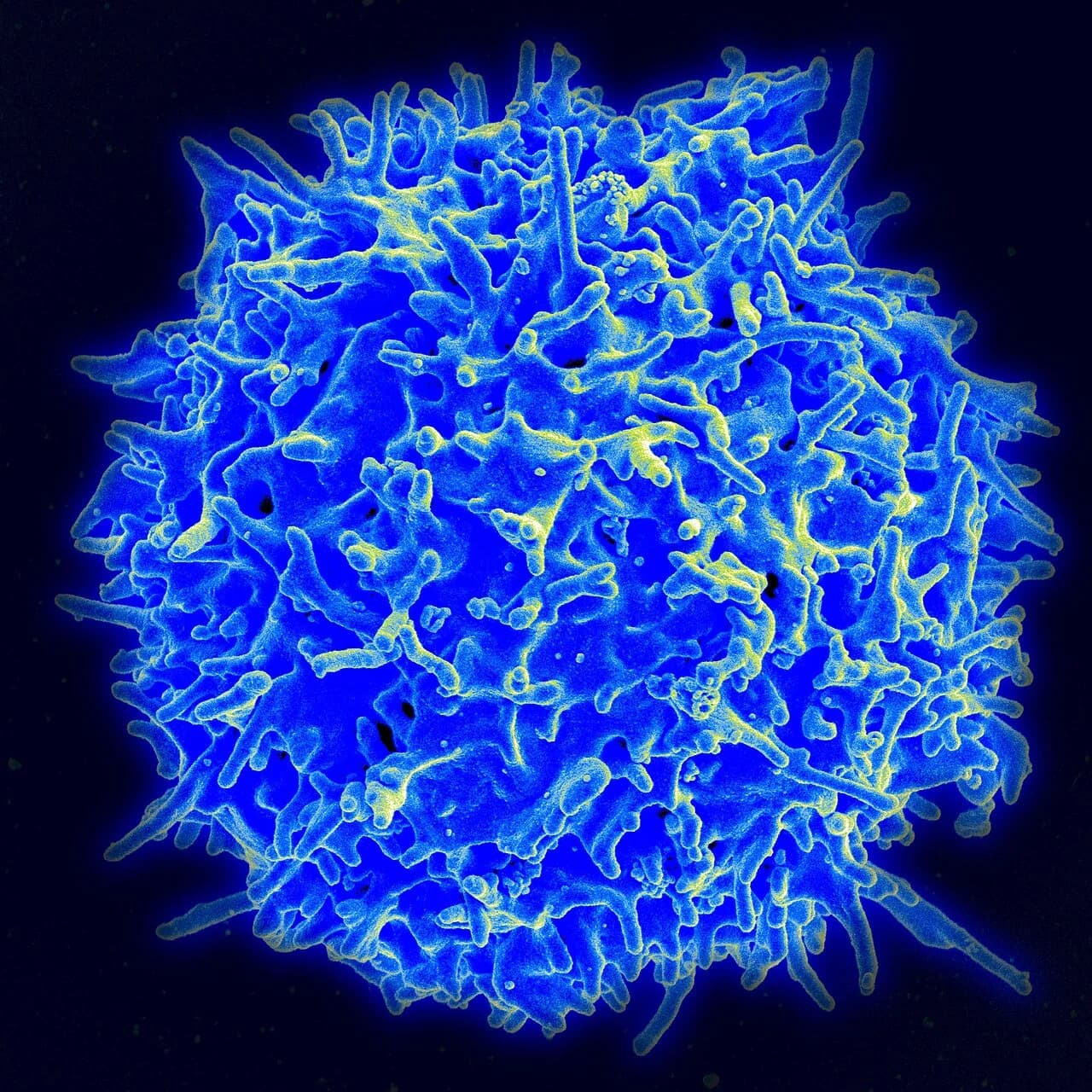
The thymus trains T cells, a key part of the immune system. According to the CSHL release, thymic epithelial cells, known as TECs, guide that training, yet they make up less than 1% of all the cells in the gland. The laboratory noted that problems in the thymus are linked to a number of diseases, including type 1 diabetes and arthritis.
Because TECs are so scarce, getting them out of tissue and telling them apart is difficult. The release said immunology labs have each tended to use their own methods for dissecting and labelling the gland, which has made it hard for one group to repeat another's findings.
"Even if we use the same reagents, we just can't reproduce the result," Meyer said in the CSHL release.
Without a shared approach, she said, the field "can't actually make big strides in gaining new insights into such an important aspect of human health".
What the team did
According to the laboratory, the researchers started with 15 human thymus samples and worked through the practical questions one at a time:
- how much tissue is needed for an accurate analysis;
- which enzyme recipes work best for separating the cells;
- which labels most clearly distinguish one cell type from another.
The outcome is a panel of seven markers that, the release said, any laboratory can adopt. Using the method, the team also identified a distinct population of TECs. The release did not name the seven markers or describe that cell population in detail; those specifics are in the journal paper, and the protocols have been posted on the open platform protocols.io.
Meyer said the aim was to "recommend a minimal standard that could make the research much more reproducible".
What it could lead to
The study is a methods paper, not a treatment trial, and the release makes no claim of a new therapy. Its value, the researchers argue, lies in letting different laboratories compare results on the same footing. "If we understand the molecular basis of the thymus gland, we can understand its regeneration better," Meyer said.
Lin put the contribution modestly: "I'd like to think that we've contributed a small part to ensuring reproducibility in biomedical research."
The release also pointed to a separate tool from Meyer's lab, plinkQC, a computational package for cleaning and processing genetic datasets used in population studies.
CSHL listed the funders of the work as the Simons Center for Quantitative Biology, the US National Institutes of Health Office of the Director, the National Institute of Allergy and Infectious Diseases, the National Cancer Institute, the Simons Foundation and the George A. and Marjorie H. Anderson Fellowship.
Whether other immunology groups take up the seven-marker panel will decide how far the proposed standard travels; the release did not mention any formal endorsement by a scientific body.